Renters Gain Ground: Top Cities Offer Affordability
Several U.S. cities are emerging as top rental destinations, offering renters a favorable rent-to-income ratio. Austin, Texas leads the pack, with Salt Lake City and Raleigh, North Carolina also showing strong affordability. This trend is influenced by job markets and broader economic conditions.

Renters Gain Ground: Top Cities Offer Affordability
The rental market is showing signs of shifting, with several key cities emerging as havens for renters seeking affordability and a strong income-to-rent ratio. As of early 2026 projections, renters in these select metropolitan areas are spending a significantly lower percentage of their gross income on housing, signaling a potential opportunity for those looking to rent or even invest in these growing markets.
Austin Leads the Pack in Rental Value
Topping the list is Austin, Texas, a city renowned for its booming tech sector and vibrant culture. Renters in Austin are currently spending an impressive 18% of their gross income on rent. The typical monthly rent in Austin hovers around $1,568, a figure that remains highly accessible when compared to the area’s median income, which surpasses $100,000. This favorable ratio makes Austin a standout choice for renters prioritizing financial flexibility.
Salt Lake City and Raleigh Offer Strong Alternatives
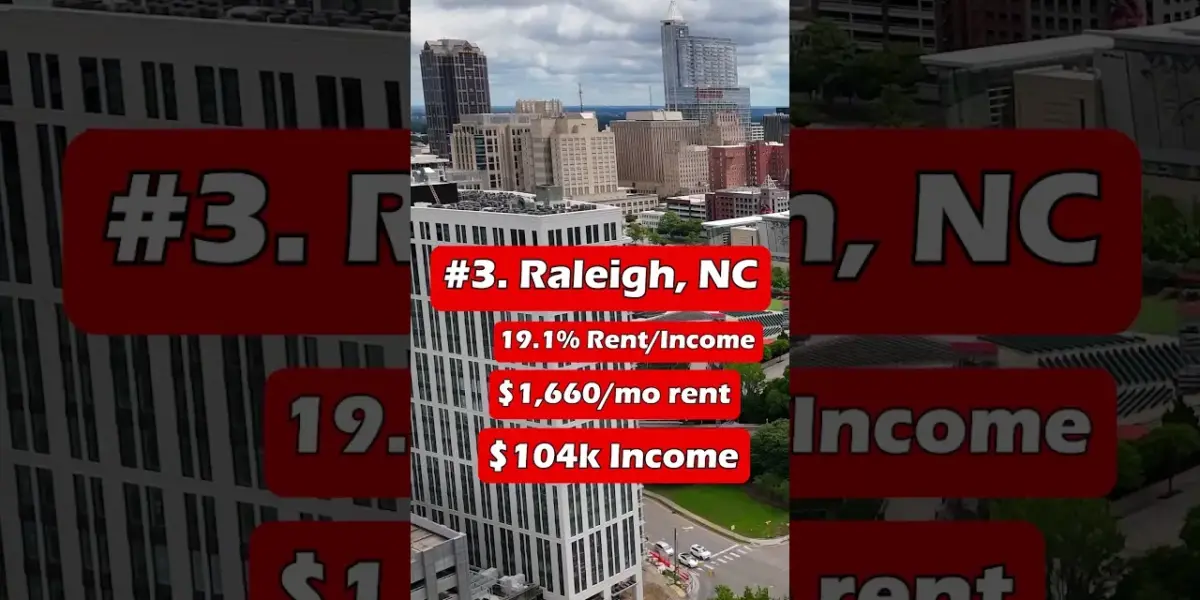
Following closely behind Austin are Salt Lake City, Utah, and Raleigh, North Carolina, both boasting a rent-to-income ratio of approximately 19%. In Salt Lake City, the average rent is around $1,550 per month, with a median income also exceeding $100,000 across the metro area. Raleigh presents a similar picture, with a typical rent of $1,666 and a median income of $104,000. These cities offer a compelling blend of affordability and economic opportunity, particularly for those in high-demand industries.
Midwest Markets Present Value Propositions
The analysis also highlights several Midwest cities that are becoming increasingly attractive to renters. Omaha, Nebraska, St. Louis, Missouri, and Minneapolis, Minnesota, all fall within the 19% to 20% rent-to-income ratio range. These locations often provide a lower cost of living overall, making the rental market particularly appealing for budget-conscious individuals and families.
Denver: High Income Balances Higher Rents
Denver, Colorado, appears on the list at number seven, presenting a slightly different scenario. While the typical rent in Denver is higher at $1,856 per month, this is offset by the city’s robust economy, boasting the highest median income on the list at $110,000. This indicates that even with higher rental costs, Denver’s strong earning potential helps maintain a manageable rent-to-income ratio for its residents.
Understanding Rental Metrics for Informed Decisions
The key metric driving these rankings is the rent-to-income ratio, which provides a clear picture of housing affordability. A lower percentage indicates that renters have more disposable income after covering housing costs. This is crucial for individuals looking to save, invest, or simply enjoy a higher quality of life. For potential real estate investors, understanding these ratios, alongside metrics like capitalization rates (cap rates) and cash flow, is essential for identifying markets with strong rental demand and potential for appreciation.
Cap rates, for instance, measure the potential return on investment for a property based on its net operating income. A higher cap rate generally suggests a more attractive investment. Cash flow refers to the net income generated by a rental property after all expenses, including mortgage payments, property taxes, and maintenance, are paid. Positive cash flow is a primary goal for most real estate investors, ensuring the property is profitable over time.
Broader Economic Influences on the Rental Market
Several broader economic factors are influencing the rental market. Inflationary pressures, while impacting overall costs, have also led some potential homebuyers to delay purchases, increasing demand in the rental sector. Interest rate fluctuations also play a significant role. Higher mortgage rates can make homeownership less attainable, pushing more individuals into the rental market. Conversely, as rates stabilize or decrease, some renters may transition to homeownership, potentially easing rental demand in certain areas.
The availability of jobs, particularly in high-growth sectors like technology, is a major driver for migration to these cities. Cities with strong job markets tend to attract more residents, bolstering demand for rental properties. The transcript specifically mentions the tech industry as a significant factor in Austin, Salt Lake City, and Raleigh, underscoring the link between employment opportunities and rental market strength.
Regional Variations and Impact
These trends have varying impacts across different regions and demographics. For renters, these top cities offer a chance to live in economically vibrant areas without being burdened by excessive housing costs. For potential investors, these markets present opportunities for stable rental income and potential property value appreciation, provided they conduct thorough due diligence. Buyers looking to enter the homeownership market in these areas might find increased competition for limited inventory, though the strong rental demand could also support property values.
The data suggests a strategic advantage for those who can identify and capitalize on these rental market dynamics. Tools and resources that provide granular data on renter metrics by county, city, and zip code can be invaluable for making informed decisions in today’s evolving housing landscape.
Source: Best Cities to Rent in 2026 (Austin TX is #1) (YouTube)

Related Articles


Real Estate: Your Foundation For Life’s Big Risks
Discover how real estate investment can build a secure financial foundation, enabling you to pursue bigger risks in life. Learn about passive income generation and wealth-building strategies.


Breaking Into Real Estate: Opportunity Knocks
High property prices and interest rates dominate current real estate discussions, leading many to believe market entry is impossible without wealth. However, historical perspective and strategic thinking suggest opportunity persists for those willing to learn and adapt, regardless of their starting financial position.


Unlocking Real Estate: Value-Add Strategies for Investors
The traditional belief that significant capital is required to invest in real estate is being challenged by a value-add strategy. This approach focuses on identifying and improving underperforming properties to increase their market value and income potential, often requiring less upfront cash than purchasing pristine assets.