Rent Control’s Hidden Costs: Empty Buildings and Stagnant Markets
Rent control policies, intended to ensure affordable housing, may inadvertently lead to vacant units as landlords find it more economically rational to keep properties empty than to rent them at capped rates. This dynamic can result in underutilization of housing stock and market stagnation.


Rent Control’s Unintended Consequences: Empty Units and Economic Stagnation
While often enacted with the intention of providing affordable housing, rent control policies appear to be fostering an environment of underutilization and economic inefficiency, according to recent observations. The core issue lies in how these regulations incentivize property owners, leading to a counterintuitive outcome where housing units remain vacant rather than being occupied by tenants.
The “Legacy Tenant” Effect
A primary critique of rent control centers on its tendency to benefit a select group of early occupants, irrespective of their financial standing. This creates a situation where long-term tenants, often secured at significantly below-market rates, may continue to occupy units for decades. Anecdotal evidence suggests that in some cases, these rent-controlled units become so inexpensive that their current occupants might not even reside in them, instead using them for alternative purposes like storage, simply to retain the advantageous rental price.
“Rent control only benefits people who get in early, regardless of how much money they make. There was a story I heard about someone who got in in like the 60s, been rent controlled since 1978, and their rent is so cheap, they don’t even stay there. They use it as storage because they don’t want to give it up.”
Landlord Incentives and Vacancy
The economic reality for property owners operating under strict rent control measures is that the potential returns from renting out units at controlled prices can be substantially lower than the value of the property itself, especially if it were vacant or could be redeveloped. This disparity incentivizes landlords to leave units unoccupied. By keeping buildings empty, owners avoid the long-term commitment of rent-controlled leases and maintain the flexibility to sell the property to another investor who might pursue different, potentially more profitable, strategies, such as redevelopment.
“There have been landlords that see this and they say, ‘My place is more valuable vacant than with tenants in it. So, I would rather just keep my entire building empty, and then I have the flexibility to sell it to someone else who will also keep it empty.'”
This phenomenon, described as “extremely common,” suggests a systemic issue where the intended beneficiaries of affordable housing policies are inadvertently excluded due to a lack of available units. The economic calculus for landlords shifts dramatically, making vacancy a more rational, albeit socially undesirable, choice.
Market Impact and Investor Considerations
What Investors Should Know
For real estate investors, understanding the implications of rent control is crucial. While the allure of stable, long-term tenants might seem appealing, the economic realities under rent control can significantly depress property values and limit income potential. Landlords may face a difficult choice between accepting below-market rents and incurring the costs associated with tenant turnover, or leaving units vacant to preserve capital value and future market options.
The decision to keep units vacant, while seemingly a direct response to unfavorable rent control policies, can lead to broader market stagnation. Reduced housing supply, even if units are physically available, can distort market signals and hinder the natural progression of urban development and housing availability. This can create a self-perpetuating cycle where the lack of available, market-rate housing is blamed on a general shortage, rather than on policy-induced vacancy.
Long-Term Implications
In the long term, widespread vacancy driven by rent control policies can lead to a decline in the quality of the housing stock. Without the income generated from market-rate rents, landlords may have less capital to invest in property maintenance and upgrades. This can result in deteriorating buildings and a reduction in the overall housing supply that is desirable and habitable.
Furthermore, the inflexibility introduced by rent control can stifle new construction. Developers may be deterred from building new rental properties in areas with strict rent control laws, fearing that their potential returns will be capped, thus exacerbating long-term housing shortages. This lack of new supply can further increase housing costs for those not benefiting from rent control, potentially widening the gap between housing affordability for different segments of the population.
The practice of using rent-controlled units as storage, while beneficial to the individual tenant, represents a misallocation of scarce housing resources. This inefficiency undermines the primary goal of providing accessible and available housing for the broader community. The economic incentives created by rent control, therefore, seem to diverge significantly from the social objectives they are intended to achieve, leading to a complex web of unintended consequences for tenants, landlords, and the overall housing market.
Source: Why Rent Control BACKFIRES! (YouTube)

Related Articles


Breaking Into Real Estate: Opportunity Knocks
High property prices and interest rates dominate current real estate discussions, leading many to believe market entry is impossible without wealth. However, historical perspective and strategic thinking suggest opportunity persists for those willing to learn and adapt, regardless of their starting financial position.


Florida Housing Market Sees Sellers Face Losses
Sellers in Florida are increasingly facing significant financial losses as the housing market experiences a notable downturn. Properties bought just a couple of years ago are now being sold for less than their purchase price, highlighting the cyclical nature of real estate and the importance of data-driven decision-making.

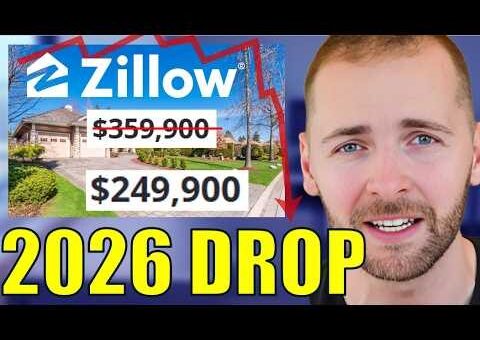
Housing Market Slowdown: Cities to Watch for Price Declines
Several U.S. cities are projected to see home price declines in 2026, driven by rising inventory and slower demand. Orlando, Seattle, Dallas-Fort Worth, Tampa, and Denver are among the markets highlighted for potential price adjustments, offering opportunities for buyers but signaling a shift from recent market conditions.