Regulating Social Media: A First Amendment Minefield
Regulating social media giants is a popular idea but faces major hurdles from Section 230 and the First Amendment. Lawmakers grapple with how to hold platforms accountable for harmful content without infringing on free speech protections.

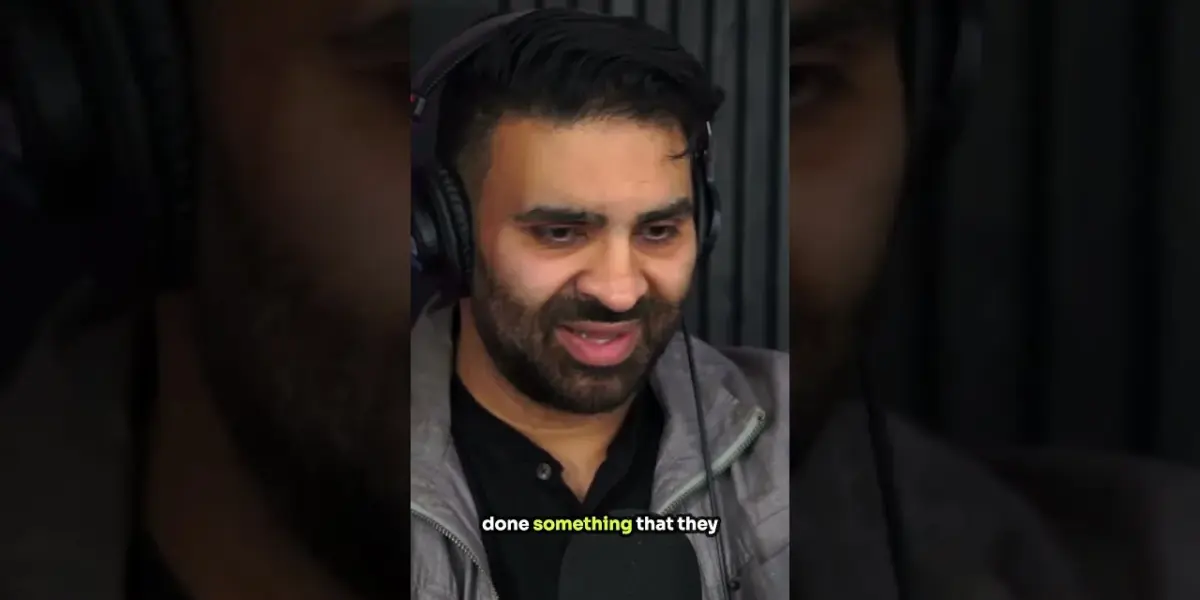
Regulating Social Media: A First Amendment Minefield
The idea of controlling social media companies is something most people agree on. It’s a popular idea across the political spectrum in America. However, putting these ideas into practice runs into major roadblocks, mainly Section 230 of the Communications Decency Act and, perhaps even more importantly, the First Amendment of the U.S. Constitution.
Government-imposed regulations often face challenges. Section 230 is a key piece of legislation. It states that social media platforms like Facebook are not legally responsible for the content users post. Imagine you post something about your neighbor on Facebook, saying something untrue or harmful. Your neighbor could sue you for defamation. But under Section 230, they cannot sue Facebook, even though Facebook helped spread that message to millions of people.
This creates a significant conflict. If lawmakers try to change Section 230, they could force platforms like Facebook to be responsible for a much larger amount of user-generated speech. This directly bumps up against the First Amendment’s protection of free speech. It seems we’ve reached a point where many agree that the internet’s design, focused on virality, likes, and engagement, has led to negative consequences. Market forces alone haven’t fixed these problems, suggesting other solutions are needed.
The core issue is finding a balance. How can we hold these powerful companies accountable for the harms their platforms may cause without stifling free expression? Without some form of control or liability, these companies might continue to operate without addressing the negative impacts of their services. This ongoing debate highlights the complex challenges in shaping the digital public square for the better.
The Challenge of Section 230
Section 230 has been a cornerstone of the internet for decades. It allows online platforms to host user-generated content without being treated like traditional publishers. Think of it like a phone company: they provide the service for you to make calls, but they aren’t responsible if you say something illegal on the phone. This protection has allowed platforms to grow and thrive, enabling a vast amount of online interaction.
However, critics argue that this protection has also allowed harmful content, like misinformation and hate speech, to spread widely. When platforms are not held responsible for amplifying such content, there’s less incentive for them to moderate it effectively. This is where the tension with public opinion and the desire for regulation comes into play. People see the negative effects and want something done.
First Amendment Entanglements
The First Amendment protects freedom of speech. This protection extends to many forms of expression online. Any attempt to regulate content on social media must carefully consider these constitutional rights. If a platform is forced to remove certain types of content to avoid liability, it could be seen as government censorship, even if indirectly.
This creates a tricky situation for lawmakers. They want to curb harmful online speech, but they must do so in a way that respects the First Amendment. Forcing platforms to police content more aggressively could lead to them over-censoring to avoid lawsuits. This is a delicate balancing act, with significant legal and societal implications for how we communicate online.
Who Should Care?
This issue affects everyone who uses social media. It impacts users, the platforms themselves, and society at large. Users want to feel safe and informed, while platforms operate within a complex legal framework. Lawmakers are trying to balance competing interests: protecting speech, preventing harm, and fostering innovation.
The current debate over social media regulation is crucial for the future of online communication. Finding solutions that address the harms without undermining fundamental rights will shape how we interact, share information, and participate in public discourse for years to come. The path forward remains uncertain, but the need for thoughtful consideration is clear.
Source: Regulating social media is tricky #vergecast (YouTube)

Related Articles
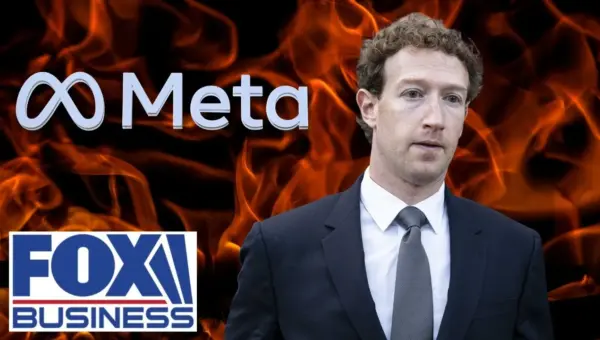
Big Tech Faces “Karma” as Courts Hold Them Accountable
Big Tech faces mounting legal pressure following jury verdicts holding Meta and YouTube liable for teen mental health impacts. Experts see this as "karma" and a turning point, with potential for billions in damages and significant changes to industry practices.

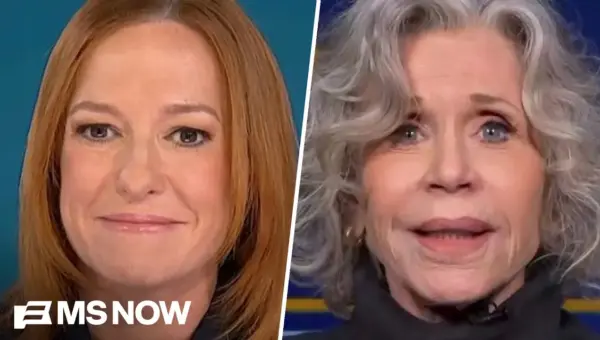
Jane Fonda Warns of ‘Existential Crisis’ Amid Protests
Jane Fonda has issued a stern warning about widespread attacks on the First Amendment, urging Americans to defend their freedoms. The veteran activist highlighted the growing number of large-scale protests as a sign of public concern and a crucial opportunity to address both democratic erosion and the climate crisis.
DOJ Probe into Brennan Intensifies Amidst ‘Conspiracy’ Claims
The DOJ's investigation into former CIA Director John Brennan is intensifying, focusing on allegations of lying during congressional testimony. House Judiciary Chair Jim Jordan highlighted concerns about potential censorship of political speech amidst these probes.