Reform UK Unveils Plan to Halt Church-to-Mosque Conversions, Citing British Heritage
Reform UK, through its home affairs spokesperson Zia Yusuf, has unveiled a plan to prevent the conversion of former Christian churches into other religious buildings, specifically mosques. The party argues this measure is vital to protect British heritage, emphasizing Christianity's integral role in the nation's culture. This proposal sparks a significant debate about national identity, religious freedom, and the practical future of Britain's many redundant church buildings.

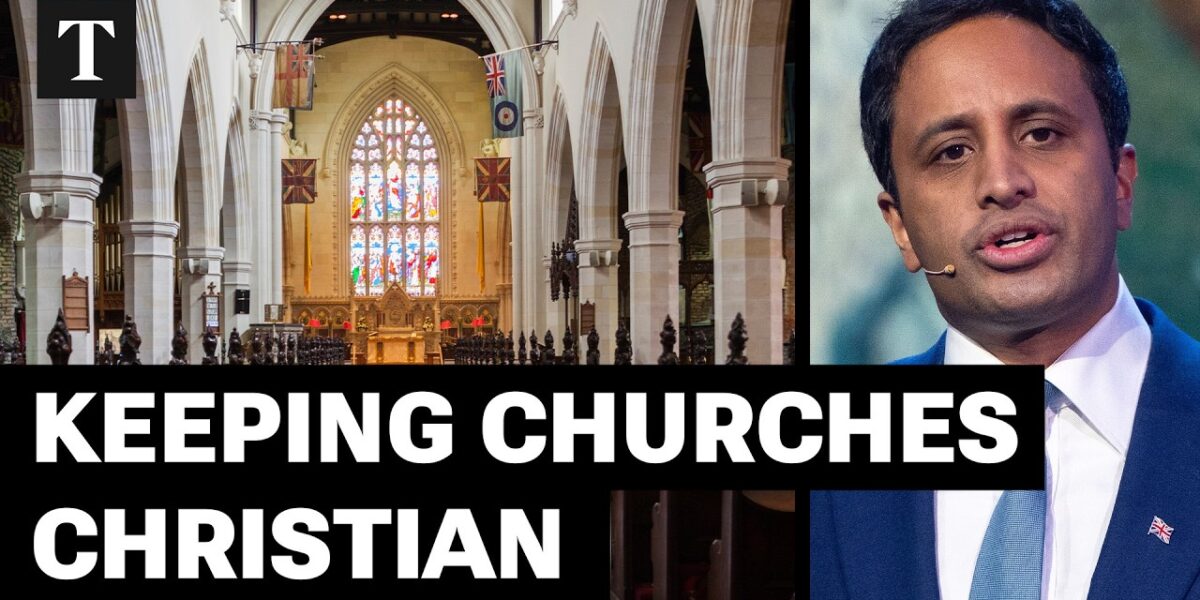
Reform UK Unveils Plan to Halt Church-to-Mosque Conversions, Citing British Heritage
In a move that has ignited debate across political and religious landscapes, Reform UK, through its home affairs spokesperson Zia Yusuf, has outlined a plan aimed at preventing the conversion of former Christian churches into other religious buildings, specifically mentioning mosques. The party asserts that such a measure is crucial for the protection of British heritage, emphasizing the integral role of Christianity within the nation’s cultural fabric.
Speaking on Times Radio Breakfast with Kate McCann and Stig Abell, Yusuf underscored the party’s position: “It’s really important that we protect British heritage. Christianity is a really important part of that heritage.” This statement crystallizes Reform UK’s stance, positioning itself as a guardian of traditional British cultural and religious identity amidst evolving societal demographics and religious practices.
The Heart of the Matter: Protecting British Heritage
At the core of Reform UK’s proposal is the assertion that Christian churches are not merely architectural structures but embodiments of British heritage. For centuries, these edifices have served as focal points for communities, repositories of art and history, and symbols of a deeply rooted religious tradition that has shaped laws, customs, and national identity. The decline in church attendance and the subsequent closure of many churches present a complex challenge: what becomes of these often historic and architecturally significant buildings?
While many redundant churches have found new life as community centres, residential properties, arts venues, or even pubs, the conversion into places of worship for other faiths, particularly mosques, has become a flashpoint for cultural and identity debates. Reform UK’s intervention seeks to draw a line, suggesting that some conversions cross a threshold of acceptable change, particularly when they involve a shift away from the building’s original Christian religious purpose to another faith, thereby, in their view, eroding a distinct aspect of British heritage.
The Context: A Shifting Religious Landscape in Britain
Britain’s religious landscape has undergone significant transformation over the past few decades. Census data consistently shows a decline in the number of people identifying as Christian, coupled with a rise in those identifying as having no religion, and an increase in adherents of other faiths, notably Islam, Hinduism, and Sikhism. This demographic shift has profound implications for religious infrastructure.
- Declining Christian Congregations: Many Church of England and other Christian denomination churches, particularly in urban areas, face dwindling congregations, making it difficult to sustain the upkeep of often large, old, and expensive buildings. Parishes struggle with maintenance costs, insurance, and the recruitment of clergy.
- Growing Non-Christian Faiths: Conversely, some non-Christian faith communities, particularly Muslim communities, are growing and often face a shortage of suitable places of worship. This creates a demand for new or converted spaces, and redundant churches, with their large interiors and often central locations, can appear to be pragmatic solutions.
- Secularization: Beyond the growth of other faiths, the broader trend of secularization means that many historic churches are simply no longer needed for their original purpose, regardless of other religious demands.
This confluence of factors has led to an increasing number of church closures and a growing market for their repurposing. While many conversions are uncontroversial, those involving a change of religious use, especially to Islam, often attract heightened scrutiny and can become symbols of broader anxieties about national identity and cultural change.
The Phenomenon of Church Conversions: A Historical Perspective
The repurposing of religious buildings is by no means a new phenomenon, nor is it exclusive to Britain. Throughout history, sacred spaces have been adapted, reused, and even transformed by successive cultures and faiths. Roman temples became Christian churches, and in parts of Europe and the Middle East, churches became mosques, and mosques later became churches again, depending on the prevailing power and faith.
In modern Britain, the economic realities of maintaining an extensive portfolio of historic buildings with declining usage have necessitated creative solutions. The Church of England, for instance, has a dedicated body, the Churches Conservation Trust, which cares for over 350 historic churches no longer needed for regular worship but deemed too important to lose. Many other churches are sold off, leading to diverse conversions:
- Residential: Many churches are converted into unique homes or apartments, preserving their exteriors while adapting interiors.
- Community Centres: Libraries, art galleries, youth clubs, and community hubs often find a suitable home in former churches.
- Commercial Ventures: Restaurants, pubs, shops, and even climbing centres have taken over church buildings.
- Other Places of Worship: This category includes not only conversions to mosques but also to gurdwaras, temples, and places of worship for various Christian denominations (e.g., evangelical churches taking over Anglican or Catholic buildings).
The specific concern raised by Reform UK focuses on the conversion to other *religious* buildings, particularly mosques, rather than the broader phenomenon of repurposing. This distinction is critical, as it frames the issue not purely as one of architectural preservation or pragmatic reuse, but as one concerning the integrity of a particular religious and cultural heritage.
Legal and Planning Frameworks: How Conversions Are Regulated
In England, the process of converting a church, especially a historic one, is subject to a robust planning and ecclesiastical law framework. This system aims to balance the need for development and reuse with the imperative to protect heritage assets.
- Listed Building Status: A significant proportion of older churches are ‘listed buildings’ (Grade I, Grade II*, or Grade II), meaning they are of special architectural or historic interest. Any alteration or change of use requires ‘listed building consent’ from the local planning authority, often in consultation with Historic England and national amenity societies.
- Planning Permission: A change of use from a church (D1 – non-residential institutions) to another religious building (still D1, but potentially a different sub-category) might require planning permission, depending on the specifics and local planning policies. If the use changes to residential or commercial, planning permission is almost certainly required.
- Ecclesiastical Exemption: Historically, certain works to active places of worship for specific denominations (e.g., Church of England) were exempt from secular planning controls, falling instead under ecclesiastical law (e.g., Faculty Jurisdiction for the Church of England). However, this exemption typically applies to *active* places of worship and works carried out *for* that worship. When a church is declared redundant and sold, it usually loses this exemption and falls fully under secular planning law.
- Local Planning Policies: Local authorities often have specific policies regarding the reuse of redundant churches, encouraging sympathetic conversions that retain heritage value.
Reform UK’s plan would likely need to introduce new legislation or significantly alter existing planning guidance to specifically block or heavily restrict conversions of former churches to other religious buildings. This would represent a departure from the current system, which generally assesses applications on their individual merits, considering factors like heritage impact, community need, and architectural integrity, rather than the specific faith of the new occupants.
Arguments for Protection: Heritage, Identity, and Symbolism
The arguments put forth by Reform UK and others who advocate for stricter controls on church conversions are multifaceted:
- Cultural Heritage: Churches are seen as tangible links to centuries of British history, embodying architectural styles, artistic traditions, and the spiritual life of past generations. Their conversion, especially to a different religious use, is perceived by some as a severing of this link, a loss of a visible marker of continuity.
- Christian Identity: For many, Christianity remains a cornerstone of British identity, even if personal belief is declining. The sight of a church being repurposed for another faith can evoke feelings of displacement or concern about the erosion of national character. The argument is often made that while other buildings can be used for other faiths, Christian churches hold a unique and irreplaceable symbolic value within the British context.
- Architectural Integrity: While planning laws aim to protect architectural features, some argue that conversions to certain religious uses may necessitate internal alterations that compromise the original design or feel of the building in a way that other conversions might not.
- Preventing Dereliction: Paradoxically, some proponents of stricter controls might argue that if a church cannot be retained for Christian use or a secular community purpose, it is better to preserve it as a heritage site (even if unused) rather than see it converted in a way deemed culturally inappropriate.
Arguments for Flexibility and Pragmatism: Property Rights, Community Needs, and Sustainability
Conversely, there are strong arguments against blanket bans or severe restrictions on church conversions, particularly concerning religious reuse:
- Preventing Dereliction: The most compelling pragmatic argument is that a converted church is better than a derelict one. Many churches, if not sold and repurposed, would fall into disrepair, becoming eyesores and safety hazards. Conversion, even to another faith, ensures the building’s continued maintenance and use.
- Meeting Community Needs: Growing faith communities, including Muslim communities, often struggle to find suitable places of worship. Repurposing a redundant church can provide a ready-made solution, often in an established community location, preventing the need for new, potentially greenfield, developments.
- Property Rights and Market Forces: Church bodies, as property owners, have a right to sell their assets to generate funds for their ongoing mission or to maintain other buildings. Restricting the pool of potential buyers could depress property values and make it harder for churches to manage their estates effectively.
- Religious Freedom and Inclusivity: Preventing a faith community from acquiring and adapting a building for worship could be seen as discriminatory and impinging on religious freedom. In a multicultural society, ensuring that all faiths have appropriate places of worship is an important aspect of inclusivity.
- Adaptability of Sacred Space: Many argue that sacred space, by its nature, is adaptable. A building dedicated to worship can continue to serve that purpose, even if for a different faith, thereby maintaining its spiritual essence, albeit with a new expression.
Political Implications and Reform UK’s Strategy
Reform UK’s stance on church conversions aligns with its broader political strategy, which often emphasizes cultural conservatism, national identity, and a critique of perceived societal changes. By focusing on the protection of Christian heritage, the party taps into a vein of concern among some voters who feel that traditional British values and institutions are under threat.
This policy can be seen as part of a wider ‘culture war’ narrative, positioning Reform UK as the defender of traditional Britishness against forces of multiculturalism or perceived ‘wokeness.’ It aims to appeal to voters who may feel disenfranchised by mainstream political parties on issues of identity and heritage. While potentially controversial, such a clear and assertive position can help Reform UK differentiate itself and galvanize support from a specific segment of the electorate.
Potential Mechanisms for Reform UK’s Plan
If Reform UK were to implement its plan, several mechanisms could be considered, each with its own complexities:
- Legislative Amendments: Introducing new laws or amending existing planning acts to specifically prohibit or heavily restrict the conversion of former Christian churches into other religious buildings. This would require parliamentary approval and likely face significant legal challenges on grounds of religious discrimination or property rights.
- Enhanced Heritage Designations: Creating a new category of heritage protection specifically for former Christian churches, making it exceptionally difficult to alter their religious use. This could involve stricter criteria for listed building consent.
- Funding for Preservation: Establishing significant government funding streams to support the maintenance and preservation of redundant Christian churches, thereby reducing the financial pressure to sell them for conversion. This would be a costly endeavor but could be presented as an investment in national heritage.
- Stricter Planning Guidance: Issuing national planning policy guidance that strongly discourages or effectively blocks such conversions, empowering local authorities to reject applications on heritage grounds related to the original religious use.
- Compulsory Purchase Powers: In extreme cases, the government could explore powers to compulsorily purchase churches at risk of ‘unsuitable’ conversion, though this is highly unlikely and fraught with legal and financial difficulties.
Each of these approaches would require careful consideration of legal implications, financial viability, and potential for unintended consequences, including accusations of discrimination or exacerbating the problem of derelict buildings.
Challenges and Criticisms
Reform UK’s proposal is likely to face significant challenges and criticisms:
- Discrimination Concerns: Any policy that explicitly targets specific religious conversions could be challenged under equality laws, which prohibit discrimination on the grounds of religion or belief.
- Property Rights: Church bodies, as owners, have a right to sell their property. Imposing restrictions on who they can sell to or for what purpose could be seen as an infringement on property rights.
- Financial Burden: If conversions are restricted, who will bear the cost of maintaining these often-historic buildings? Without viable new uses, many could fall into disrepair, undermining the very heritage the policy aims to protect.
- Practicality: With thousands of redundant churches across the UK, a blanket ban on certain types of conversion may be impractical and lead to a proliferation of empty, deteriorating buildings.
- Interfaith Relations: Such a policy could strain interfaith relations, potentially being perceived as hostile or discriminatory towards non-Christian communities who are seeking places of worship.
Conclusion: A Complex Balancing Act
Zia Yusuf’s statement on behalf of Reform UK brings into sharp focus a complex and emotionally charged issue: the future of Britain’s ecclesiastical heritage in a rapidly changing society. The party’s plan to prevent the conversion of former Christian churches into other religious buildings, particularly mosques, underscores a commitment to protecting what it views as a fundamental aspect of British identity and heritage.
However, the implementation of such a policy would require navigating a labyrinth of legal, ethical, and practical challenges. It would necessitate a delicate balancing act between preserving cultural heritage, respecting property rights, ensuring religious freedom, and finding pragmatic solutions for buildings that are no longer viable for their original purpose. The debate surrounding this proposal is far from over, and it will undoubtedly continue to highlight the ongoing tensions between tradition and change in modern Britain.
Source: Zia Yusuf: Reform’s Plan To Prevent Churches From Being Converted Into Mosques (YouTube)

Related Articles


Reform UK’s Euphoria Curtailed by By-Election Setback
Reform UK's ambitions have been tempered by a recent by-election loss in Gorton and Denton, suggesting a plateau in their support. While the party still holds significant appeal, factors like candidate perception and broader voter consolidation against them pose challenges. The result prompts a strategic re-evaluation for Reform and has implications for the wider political landscape.

Green Party Stuns UK Politics in Shock By-Election Win
The Green Party has achieved a stunning victory in the Gorton and Denton by-election, a seat traditionally held by Labour for nearly a century. The result signifies a major upset, with Labour's vote share collapsing and highlighting deep voter dissatisfaction. Reform UK also saw gains but failed to secure the win, while Conservatives and Liberal Democrats experienced significant declines.

Reform UK Claims Two-Party Politics ‘Dead’ After By-Election
Reform UK's chairman, David Bull, has declared the two-party political system 'dead' following a closely contested by-election. Bull cited a significant shift in voter allegiances and expressed concerns over electoral integrity amidst the vote count.