Reeves’ Spring Statement: Mixed Economic Signals Spark Political Debate
Chancellor Rachel Reeves' Spring Statement presented a mixed economic picture, highlighting falling inflation and borrowing but also revised lower growth forecasts. Analysts are scrutinizing the OBR figures and the government's narrative amidst public concern over living standards and the rise of radical political parties.

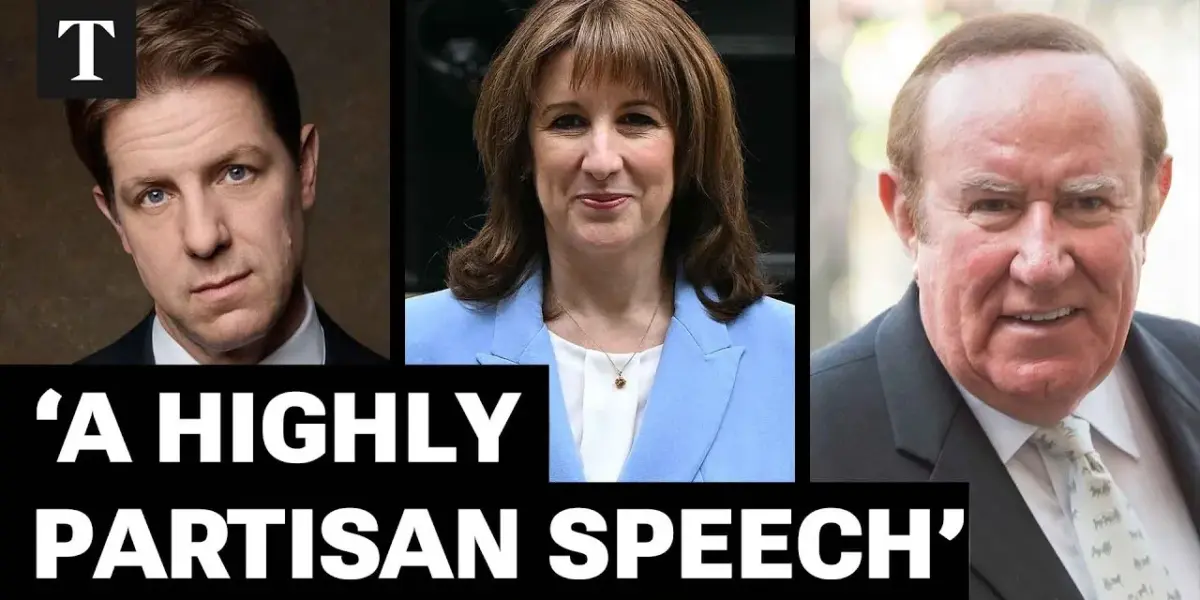
Chancellor’s Spring Statement Delivers Modest Economic Updates Amidst Scrutiny
In a highly partisan address, Chancellor Rachel Reeves presented the government’s latest economic review during a recent Spring Statement, offering a glimpse into the nation’s financial trajectory. While the Chancellor highlighted a fall in inflation and borrowing, and projected a decrease in interest rates, the overall economic outlook presented by the Office for Budget Responsibility (OBR) has drawn significant attention and critique from commentators.
Key Economic Indicators: A Closer Look
The Chancellor’s statement pointed to several positive trends. Inflation, though still higher than when she took office, is reportedly decreasing. Borrowing is also forecast to decline in the coming years, and a series of interest rate cuts have been noted. However, these projections were made before recent geopolitical events in the Gulf, which could potentially impact inflation and interest rates.
Real wages are reported to be rising more quickly than in the previous decade under Conservative governance. Yet, a significant revision to the UK’s growth forecast for 2026 has cast a shadow. The OBR reduced its prediction from 1.4% to 1.1%, a figure that itself was a downward revision from earlier projections. This marks a substantial decrease from the growth anticipated a year ago.
Unemployment, which has seen an increase, is now predicted to peak in late 2026 before beginning to fall. The government also boasted of the largest increase in defense spending since the Cold War, a figure that analysts suggest warrants close examination.
OBR Forecasts: Delays and Discrepancies
A notable aspect of the statement’s release was the delayed publication of the full OBR forecasts. Typically released concurrently with the Chancellor’s speech, the figures were made available later in the day, prompting speculation about potential spin management by the Treasury.
Fraser Nelson, a columnist for The Times, pointed out the unusual delay, suggesting it might be an attempt to shape the narrative before the detailed figures, which could include “giant asterisks,” are fully scrutinized. The OBR’s forecasts indicate that disposable income is expected to grow by only a quarter of a percent over the current parliamentary term, a rate significantly lower than historical averages. Similarly, GDP per capita growth is projected at 5.6% over the parliament, falling short of previous promises for sustained growth within the G7.
“When you get a period of where people told to expect that they’re going to be better off and they see stagnation and they’re told that a thousand pounds over the course of five years is an improvement etc. It if this doesn’t ring true then they will think, but they’re not just fed up with Labour, but we don’t trust the Tories because the Tories made this mess. So maybe it’s time to look for a radical party.”
Growth Pledges and Immigration’s Impact
The government’s election pledge centered on economic growth, aiming for the highest sustained growth in the G7. However, current forecasts suggest the UK is lagging behind countries like the United States in this regard. The rising unemployment figures further complicate this narrative.
While inflation is decreasing, it had initially risen significantly after the current government took office. The recent global instability in the Gulf poses a potential threat of an inflationary shock, which could alter the economic landscape and render current forecasts obsolete.
A significant factor influencing the economic outlook is the substantial reduction in net migration. While this addresses a key public concern and is seen as a success by the government, it is expected to have a fiscal impact. Immigrants typically contribute to the tax base, and a decrease in their numbers could lead to lower tax revenues, creating further fiscal challenges.
Living Standards and Public Perception
The issue of living standards has been a persistent concern, with stagnation observed over an extended period. The Chancellor’s pledge that people will be £1,000 better off by the end of the parliament, while presented as an improvement, has been met with skepticism. Commentators note that historically, five-year periods have rarely seen people not improve their financial standing.
The OBR’s latest figures, released during the discussion, are expected to provide more clarity on average salaries. Previous forecasts suggested that by the end of the parliament, the average salary, adjusted for inflation, could be lower than it was before the 2008 financial crash, indicating a potential “two lost decades” for salaries.
This disconnect between the government’s narrative of success and the lived financial reality of the public is seen as a significant factor contributing to the rise of “radical” parties, as voters express dissatisfaction with both traditional parties they perceive as responsible for the current economic situation.
Political Ramifications and Future Outlook
The Chancellor’s assertive and partisan tone during the statement has been interpreted as a potential sign of worry, given the government’s struggles in opinion polls and the rise of alternative parties. The need to project a narrative of success, even with limited positive economic indicators, is crucial for the government’s political survival.
The OBR report also indicates that taxes are at a post-war record high, with a significant portion attributed to “stealth taxes” – such as frozen tax thresholds – which people feel keenly. This contrasts with the narrative of economic recovery and creates a growing disconnect between official pronouncements and public experience.
Looking ahead, the impact of global events on inflation and interest rates remains a key variable. The government’s ability to navigate these external shocks while addressing domestic economic challenges, particularly concerning growth and living standards, will be critical. The shifting political landscape, with the rise of smaller, more radical parties, suggests that voter dissatisfaction with the status quo could lead to further political upheaval.
Source: Andrew Neil and Fraser Nelson Unpack Rachel Reeves' Spring Statement (YouTube)

Related Articles

Trump’s Policies Are Killing the American Dream
Donald Trump once declared the American dream dead, a statement now seemingly validated by hard economic data. Small businesses, long considered the backbone of the U.S. economy, are facing unprecedented challenges, including significant losses from tariffs and increased competition. This decline suggests a fading promise of upward mobility for many Americans.

Germany’s China Gamble: A Self-Inflicted Economic Catastrophe?
Germany's deep economic ties with China are increasingly viewed as a critical vulnerability. Despite recognizing China as a "systemic rival," the country's actions suggest a continued, potentially self-destructive, reliance on the Chinese market and supply chains, leading to job losses and a widening trade deficit.

UK Student Loans Burden Graduates: A Hidden Economic Crisis
UK graduates are facing a severe economic crisis due to a punitive student loan system that adds billions in interest annually, often exceeding repayments. An investigation reveals how this debt hinders graduates' financial goals and prompts calls for urgent reform.