Red States Show Cracks: Democrats’ Surprising Election Wins Signal Shift
Democrats have shown surprising strength in recent elections, defying poll predictions and securing wins in traditionally Republican areas. Victories in Wisconsin and a narrowed gap in Georgia challenge conventional political analysis and suggest a more competitive future.


Red States Show Cracks: Democrats’ Surprising Election Wins Signal Shift
Democrats have recently achieved significant victories in key states, defying expectations and showing unexpected strength. In Wisconsin, a state often considered a Republican stronghold, Democrats secured a clean sweep. This included winning the mayorship in a traditionally deep red suburb, a surprising outcome that signals a potential shift in voter sentiment. Furthermore, Democrats now hold a majority on the Wisconsin Supreme Court. This change in judicial power could have far-reaching consequences, not only for Wisconsin but potentially for national political issues.
While a Democrat did not win a recent race in Georgia, the results still offered a glimmer of hope. The Democratic candidate managed to close a 25-point gap compared to previous election results where former President Trump had performed strongly. This narrow margin, though not a victory, shows that the political landscape in Georgia is becoming more competitive. These performances in primaries and special elections over the past year suggest that Democrats are outperforming general election polls.
Questioning the Polls
Recent media analysis, like a segment on CNN by data guru Harry Enten, suggested Democrats were in trouble. Enten pointed to a narrow five-point lead on the generic ballot, historically a weaker position for the party. He compared this to past elections where Democrats held much larger leads, like 11 or even 18 points. These numbers, when viewed in isolation, paint a concerning picture for Democratic prospects heading into the November elections.
“Can we realize that those, you know, projection polls for elections are total garbage, right?” the analysis questions. “I mean, sure, that doesn’t look good on paper, but then you go and look at the primaries, you look at the special elections, everything that’s happened over the last 12 months, and you’re going to tell me that Democrats are in trouble heading into the midterms.”
The transcript suggests that relying solely on these types of polls might be a mistake. The argument is that recent election results, especially in special elections and primaries, tell a different story. These smaller, more frequent contests have shown Democrats performing better than expected. The analysis criticizes pollsters like Enten for perhaps overemphasizing lagging poll numbers while ignoring more current, on-the-ground results.
Historical Context and Future Outlook
Historically, mid-term elections have often been difficult for the party in power. However, the current political climate seems to be defying typical patterns. The unexpected strength shown by Democrats in recent elections, particularly in areas previously considered reliably Republican, is notable. This suggests that voter priorities might be shifting, or that specific local issues are driving turnout and support in ways that national polls don’t capture.
The analysis points out a pattern where polls have not accurately predicted outcomes in recent election cycles. This has led to a degree of skepticism about the reliability of current political forecasting. The focus shifts from broad national trends to the more granular evidence provided by actual election results. This approach suggests that while national polls might indicate one thing, the reality on the ground could be quite different.
Why This Matters
These surprising Democratic performances are important because they challenge conventional wisdom about the current political mood. If Democrats can continue to overperform in special elections and primaries, it could signal a stronger-than-anticipated showing in upcoming general elections. This could affect control of Congress and state-level governments, impacting policy decisions on a wide range of issues.
For Republicans, these results could be a cause for concern. The ability of Democrats to win in unexpected places and narrow significant gaps suggests that Republican strategies might need re-evaluation. It also highlights the potential for voter dissatisfaction with the current political direction, even in traditionally conservative areas. Understanding these shifts is crucial for both parties as they prepare for future campaigns.
Implications and Trends
The trend of Democrats outperforming polls suggests that traditional methods of measuring public opinion might be missing key elements. Factors like voter enthusiasm, specific campaign messages, or local candidate appeal could be playing a larger role than national polling captures. This could mean that campaigns need to focus more on grassroots organizing and tailored messaging rather than relying heavily on broad poll numbers.
The future outlook suggests a potentially more competitive electoral landscape than many anticipated. The ability of Democrats to make inroads in unexpected territories indicates that geographic strongholds may be less secure than in the past. This could lead to more unpredictable election outcomes and a greater emphasis on swing districts and states. The data implies that voter sentiment is fluid and can be influenced by factors that are not always reflected in aggregate polling data.
Source: Democrats Score MAJOR UPSETS, Republicans PANIC (YouTube)

Related Articles

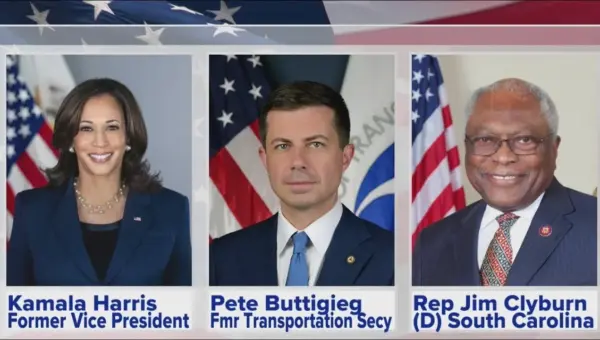
Democrats Vie for Black Voters in 2028 Race
Democratic hopefuls are actively seeking support from Black voters ahead of the 2028 presidential election. Key figures like Kamala Harris, along with several governors, are attending conventions and making strategic visits to critical states. They aim to address voter concerns on economic issues and foreign policy, echoing historical efforts to engage this vital demographic.

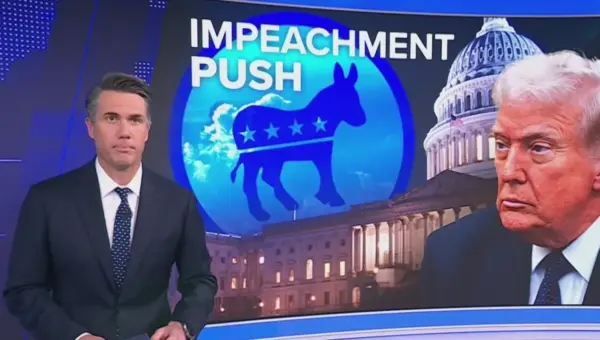
Democrats Aid Trump by Focusing on Impeachment
Democrats are inadvertently aiding President Trump by focusing heavily on impeachment efforts rather than addressing key economic issues like inflation and gas prices. This strategy risks alienating voters and distracts from critical foreign policy challenges, potentially impacting global stability and power dynamics.


Democrats Called ‘Weak,’ ‘Spineless’ by Own Voters
Democratic voters in key swing states have sharply criticized their own party, labeling it 'weak' and 'floundering.' A recent focus group revealed that while dissatisfaction is high, electability is the top priority for voters aiming to win control of Congress in November.