Red Skies Signal Cyclone’s Fury in Australia
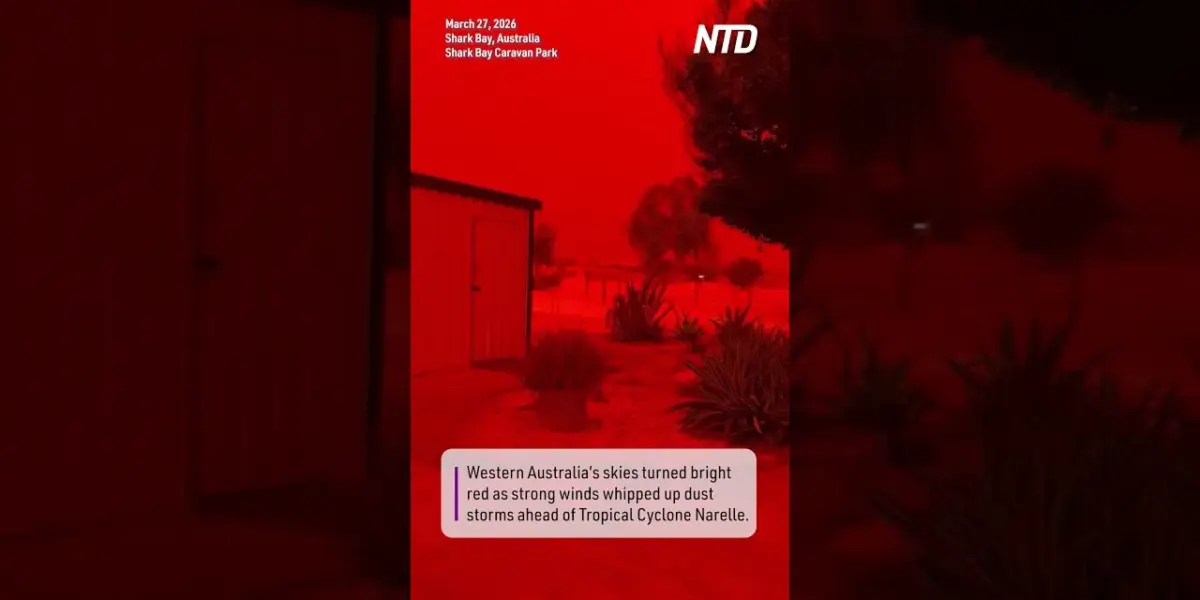
Strong winds ahead of Tropical Cyclone Narelle stirred up dust storms in Western Australia, turning the skies a striking red. This dramatic event serves as an early warning of the cyclone's power and highlights the interconnectedness of weather phenomena.

Red Skies Signal Cyclone’s Fury in Australia
Imagine looking up and seeing the sky turn a deep, alarming red. This is exactly what happened in Western Australia recently. Strong winds ahead of Tropical Cyclone Narelle stirred up massive dust storms. These storms turned the sky a brilliant, eerie red color.
This dramatic event shows how powerful nature can be. It’s a reminder that even before a storm officially hits, its effects can be felt. The dust picked up by the winds traveled far, painting the sky with a fiery hue. This phenomenon is caused by the way dust particles scatter sunlight. Smaller blue light waves are scattered away, leaving the longer red waves to reach our eyes.
What Caused the Red Skies?
Tropical Cyclone Narelle was approaching the coast. Its strong outer winds reached inland. These winds were powerful enough to lift huge amounts of dry soil and dust from the ground. Think of it like a giant vacuum cleaner sucking up dirt. The dust then hung in the air, creating a haze. When the sun shone through this dusty air, it created the red sky effect.
This isn’t the first time Australia has seen red skies due to dust. Major dust storms have occurred in the past, especially during dry periods. However, seeing it happen right before a cyclone adds an extra layer of drama. It highlights the combined forces of wind and dry conditions.
The Impact of Dust Storms
Dust storms can have several effects. They can reduce visibility, making driving dangerous. The fine dust particles can also be a health hazard. People with breathing problems like asthma can find it hard to breathe. The dust can settle on homes, cars, and farms, causing a mess and potential damage. For agriculture, it can mean topsoil loss, which is crucial for growing crops.
In the case of Tropical Cyclone Narelle, the dust storm served as an early warning. It signaled the arrival of severe weather. While the red sky might look spectacular in pictures, it means powerful winds are at play. These winds are a precursor to the cyclone’s main impact, which could include heavy rain and destructive gusts.
Historical Context
Australia has a long history of dealing with dust storms. The infamous “Year of the Dust” in 1938 saw vast areas of the country covered in dust. This was during a severe drought. More recently, major dust storms have occurred in places like Sydney. These events often happen when dry spells are followed by strong winds. They are a natural part of Australia’s climate, especially in its arid and semi-arid regions.
Cyclones are also a regular feature of Australia’s tropical coastlines. They bring torrential rain and damaging winds. Combining the effects of a dust storm with a cyclone means multiple weather challenges at once. This makes the situation more serious for communities in the storm’s path.
Why This Matters
The red skies over Western Australia are more than just a strange sight. They are a clear sign of nature’s power and interconnectedness. This event shows how different weather elements can combine. A dry spell, strong winds, and an approaching cyclone can create a dramatic and potentially dangerous situation. Understanding these connections helps us prepare for extreme weather.
It also highlights the importance of monitoring weather patterns. Early signs, like dust storms, can give people crucial time to take precautions. This could mean securing property, stocking up on supplies, or evacuating if necessary. The more we understand these natural events, the better we can protect ourselves and our communities.
Future Outlook
As the climate changes, we might see more extreme weather events. This could mean more intense cyclones and longer dry periods in some regions. If so, events like red skies caused by dust storms could become more common. Scientists are studying how climate change affects weather patterns. This helps us predict and prepare for future challenges.
For residents in cyclone-prone areas, staying informed is key. Following weather forecasts and official warnings is essential. The dramatic red skies serve as a powerful visual reminder of the weather forces at play. They underline the need for readiness and respect for nature’s might.
Source: Australia Skies Turn Red Ahead Of Tropical Cyclone (YouTube)

Related Articles
US Hit By Extreme Weather: Snow, Dust Storms, Tornado Aftermath
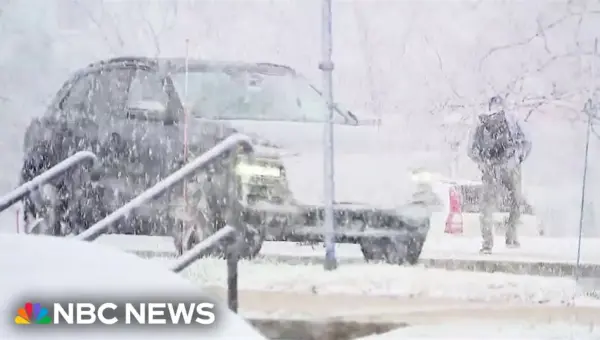
The US is facing a chaotic weather crisis as a surprise snowstorm hits the Mid-Atlantic while powerful winds and dust storms batter the West. Recovery efforts are underway in the Midwest after a deadly tornado outbreak.


Drone Delays President Trump; Iran Issues US Warning
A drone sighting caused a delay for Air Force One carrying President Trump, while Iran issued a warning to the US regarding ground operations. Meanwhile, NASA's Artemis II mission to the moon is nearing its launch.


US Faces Global Trade Shift as Auto Jobs Flee
The US is losing its global edge in auto manufacturing as jobs move to Europe, a shift overshadowed by internal culture wars and fears of foreign billionaires. Critics argue this distraction prevents Americans from addressing real economic decline and rising costs, while allies reassess their ties to a nation perceived as increasingly divided and economically vulnerable.