Red Sea Oil Route: Saudi Arabia’s Risky New Lifeline
Saudi Arabia is increasingly rerouting oil exports through the narrow Bab el-Mandeb Strait, aiming to bypass potential disruptions in the Strait of Hormuz. This strategic pivot, however, introduces significant risks due to the strait's vulnerability to attacks from Houthi rebels and Iran's missile capabilities. The move underscores the delicate balance between global energy security and regional geopolitical instability.

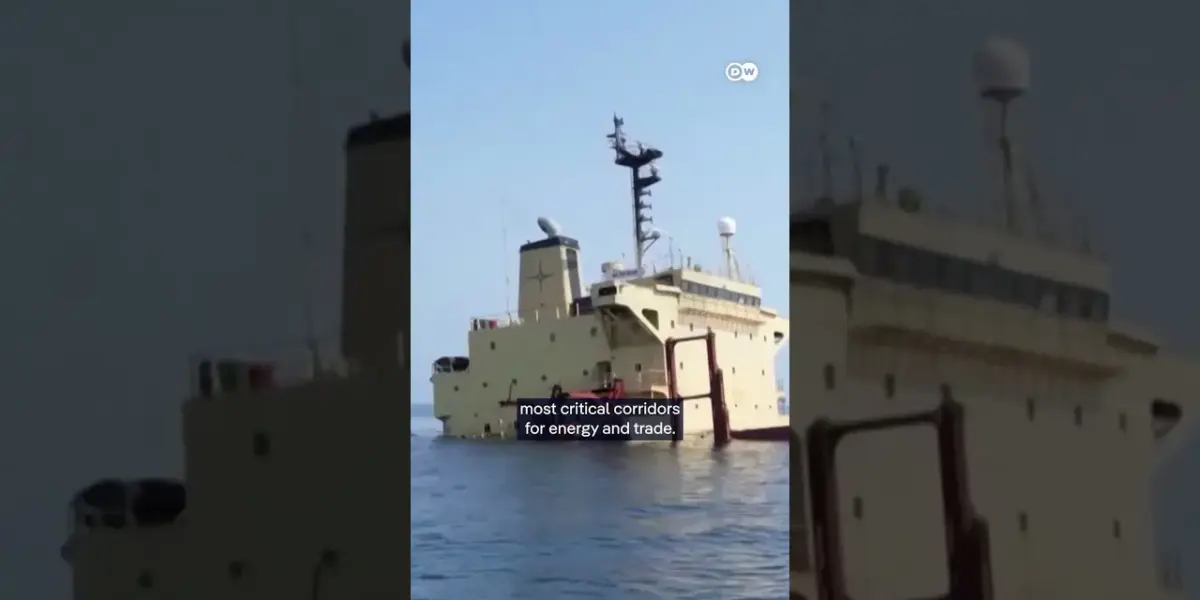
Saudi Arabia Pivots to Bab el-Mandeb Strait Amidst Red Sea Tensions
In a strategic shift that highlights the precarious nature of global energy transit, Saudi Arabia is increasingly relying on the Bab el-Mandeb Strait as an alternative oil export route. The kingdom plans to transport approximately 5 million barrels of crude oil per day from its eastern fields via pipeline to the Red Sea port of Yanbu. This move aims to provide some relief to Saudi oil customers in Asia, offering an alternative to the Strait of Hormuz, the world’s busiest oil chokepoint.
The Strait of Hormuz: A Critical but Vulnerable Artery
The Strait of Hormuz, typically responsible for carrying over one-fifth of all seaborn traded oil, remains the primary artery for Saudi crude exports. However, its strategic importance also makes it a point of significant geopolitical vulnerability. The decision by Saudi Arabia to divert a substantial portion of its oil traffic through the Bab el-Mandeb Strait underscores the growing concerns about potential disruptions in the Persian Gulf.
Bab el-Mandeb: A Narrow Passage, Significant Risks
While the Bab el-Mandeb Strait offers a viable alternative, its physical characteristics present considerable risks. At its narrowest point, the strait measures only 29 kilometers, making it highly susceptible to targeted attacks. This vulnerability is amplified by the persistent threat posed by Yemen’s Iran-backed Houthi rebels, who have repeatedly demonstrated their capacity to strike commercial shipping with drones and missiles.
These attacks have significantly disrupted one of the world’s most critical corridors for energy and trade, underscoring the inherent dangers of this route.
The Houthi attacks on commercial vessels intensified following the Hamas attacks on Israel in 2023. Although these attacks effectively ceased after a ceasefire agreement with Hamas was signed, the underlying risk remains unpredictable. The volatile security situation in the region casts a long shadow over the reliability of this crucial maritime passage.
The Economics of Risk in Shipping
Despite the heightened dangers, the shipping industry’s fundamental drive to generate profit persists. As one observer noted, while no one wishes to endanger crews and vessels, there are companies, charterers, and ship owners willing to assume the risks involved.
Shipping is an industry by which people make money. When there is chaos, more money is to be made.
This sentiment highlights the complex economic calculus at play, where potential profits can outweigh perceived risks, especially in an industry accustomed to navigating turbulent geopolitical waters.
Iran’s Shadow: Ballistic Missiles and Regional Influence
The threats to shipping in the Bab el-Mandeb Strait are not limited to Houthi rebel actions. Iran’s advanced military capabilities, including ballistic missiles with ranges extending up to 2,000 kilometers, present a potential threat to ships transiting the strait and its approaches. This capability raises concerns that Iran could directly or indirectly target maritime traffic, further complicating the security landscape.
Saudi Arabia’s Strategic Calculations
Saudi Arabia’s decision to utilize the Bab el-Mandeb route is a calculated move, driven by national interests and a pragmatic assessment of regional dynamics. The kingdom views the potential risks as manageable within the context of its broader foreign policy objectives and economic imperatives.
Saudis will look at things from their own perspective through the lens that they understand and what best serves their interests.
The existence of a roadmap toward reconciliation between Saudi Arabia and the Houthis, coupled with the Houthis’ significant reliance on the strait for their own economic and strategic positioning, may contribute to Saudi Arabia’s willingness to accept the associated risks. This delicate balance of interests suggests a complex regional strategy aimed at securing vital energy exports while navigating ongoing geopolitical tensions.
Looking Ahead: The Future of Red Sea Transit
The increased reliance on the Bab el-Mandeb Strait highlights the ongoing challenges in securing global energy supply routes. As Saudi Arabia and other nations navigate these complex geopolitical waters, the stability of the Red Sea and the broader Middle East will remain critical factors. Future developments will likely depend on de-escalation efforts, diplomatic progress, and the continued willingness of shipping operators to balance risk and reward in one of the world’s most vital maritime chokepoints.
Source: Bab el-Mandeb Strait: Is the Red Sea oil's last lifeline or the next trap? | DW News (YouTube)

Related Articles


Saudi Arabia Pushes US for Iran War, Report Claims
Saudi Arabia's Crown Prince Mohammed bin Salman has reportedly urged the US to escalate military action against Iran, viewing it as an opportunity to reshape the Middle East. While Saudi officials deny the report, the push comes amid increased Iranian attacks on Saudi oil infrastructure. Experts suggest a complex dynamic where Saudi Arabia seeks US intervention while also managing the risks of regional instability.

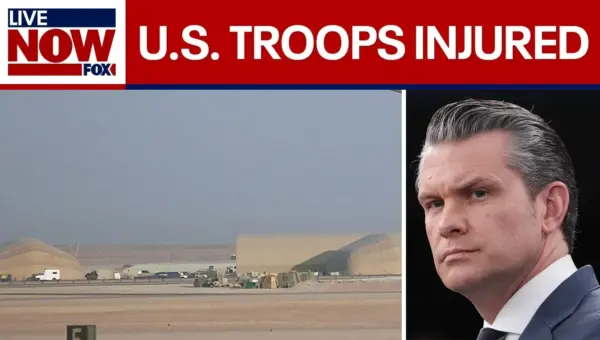
US Troops Wounded in Saudi Base Attack by Iran
An Iranian missile attack on Prince Sultan Air Base in Saudi Arabia wounded multiple U.S. service members and damaged aircraft. The incident highlights the ongoing risks in the Middle East and the limitations of air defense systems. Analysts discuss the strategic implications, economic pressures, and the isolation of Iran amidst the conflict.


Saudi Prince Pushes Trump Toward Iran War Escalation
Saudi Crown Prince Mohammed bin Salman is reportedly urging President Trump to escalate attacks on Iran, pushing for strikes on its energy infrastructure. This strategy would likely harm ordinary Iranians while benefiting Saudi economic interests and the U.S. military-industrial complex. The situation highlights concerns over foreign influence on U.S. foreign policy and the human cost of conflict.