Red Sea Crisis Sparks 15% Shipping Cost Surge
Military actions in the Red Sea have effectively shut down freight traffic, forcing a 15% longer and more expensive detour around Africa. Major shipping lines are imposing significant surcharges, boosting carrier profits amid supply chain uncertainty.

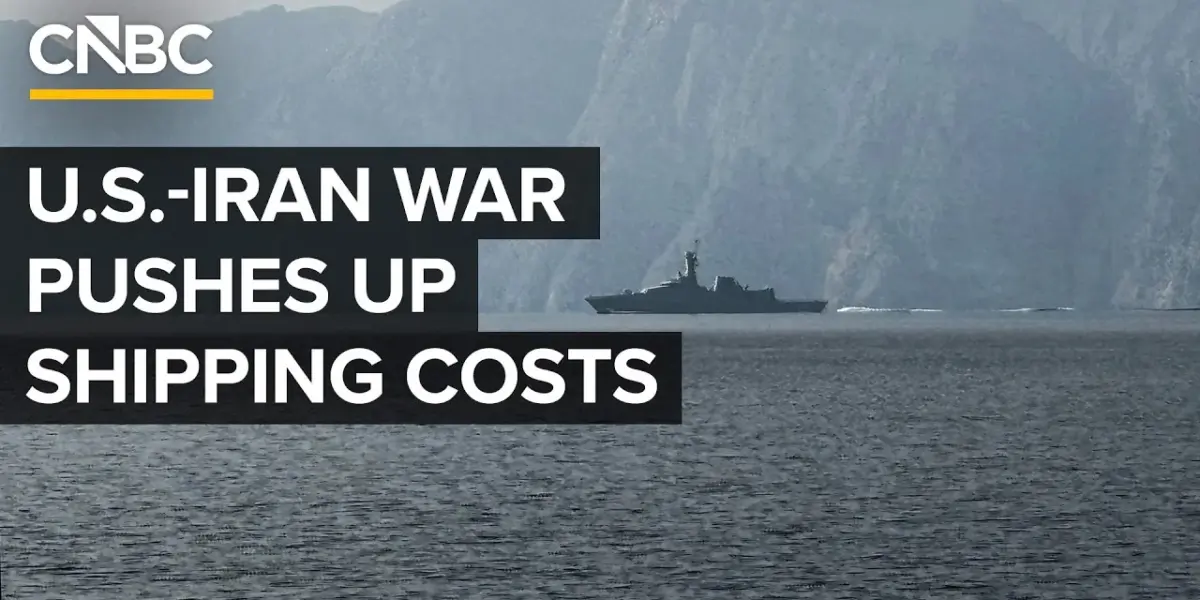
Red Sea Blockade Propels Shipping Costs Up 15%
Global supply chains are grappling with a significant disruption as military actions in the Red Sea effectively halt freight traffic, forcing a costly rerouting of vital shipments. This escalating geopolitical tension is already translating into higher shipping costs, with major carriers imposing surcharges and extending transit times, impacting everything from oil to aerospace components.
The Red Sea Bottleneck
The primary casualty of the current conflict is the Red Sea, a critical artery for international trade. Its closure to ship traffic necessitates a substantial detour for vessels traversing between Asia, Europe, and the Middle East. Instead of the direct route, ships are now compelled to navigate around the Cape of Good Hope at the southern tip of Africa.
This extended route adds considerable distance and time to voyages. For example, a shipment from Shanghai to New York, which typically covers over 12,000 nautical miles via the Red Sea, now spans more than 14,000 nautical miles when rerouted around Africa. This represents an increase of approximately 15% in distance, directly contributing to longer transit times and increased operational expenses.
Beyond Distance: New Risks Emerge
The detour around the Cape of Good Hope, while a necessary alternative, is not without its own set of challenges. This longer route exposes vessels to different weather patterns, including potential storms, and other unforeseen maritime issues. This mirrors the analogy of a driver taking a GPS-guided detour to avoid traffic, only to encounter other road hazards. In the case of shipping, these extended journeys are inherently more expensive due to increased fuel consumption, crew costs, and longer vessel utilization periods.
Financial Ramifications: Surcharges and Rising Prices
The impact on shipping costs is immediate and tangible. Major shipping lines such as Maersk and Hapag-Lloyd have announced conflict surcharges, with some exceeding $1,500 per container. These surcharges are levied on top of existing fuel surcharges, which are also seeing an uptick due to the conflict’s influence on global energy prices. Essentially, these additional fees are designed to offset the increased operational costs and mitigate financial risks associated with the geopolitical instability.
These surcharges are a direct consequence of the disruption, allowing carriers to pass on the elevated expenses to their clients. The fluctuating price of diesel fuel, exacerbated by the conflict, further inflates these costs, making the surcharges higher than they might otherwise be.
What Goods Are Most Affected?
While oil is a primary commodity whose import flow is directly constrained by the Red Sea situation, the impact extends to a range of other goods. A significant portion of imports into the U.S. East Coast ports, including approximately 50% or more of aerospace, automotive, and pharmaceutical products, are sourced from Europe and Asia. Consequently, these sectors are particularly vulnerable to extended transit times and increased shipping costs.
Imports from China destined for the U.S. East Coast are expected to face delays. For highly time-sensitive shipments, air freight remains an option, albeit a considerably more expensive one. This escalating cost across various shipping methods underscores a clear theme: the disruption is translating into higher expenses for businesses and potentially consumers.
Market Impact: Shipping Stocks Surge
The disruption stemming from the U.S.-Iran conflict has provided a significant boost to shipping stocks. Companies like Maersk and Hapag-Lloyd have seen their stock prices rise, reflecting the market’s expectation of increased profitability due to higher shipping rates. Global forwarding businesses, which act as intermediaries in brokering freight, such as C.H. Robinson and Expeditors, have also experienced upward momentum.
Airlines and logistics giants like UPS and FedEx are also poised to benefit, given their involvement in air freight and global forwarding services. The adage in the transport sector, “mystery equals margin,” rings true here. With the duration of the conflict uncertain, shipping carriers are in a position to command higher prices, thereby enhancing their profit margins.
Navigating the Uncertainty
While the U.S. West Coast ports are less directly impacted by Red Sea disruptions due to alternative routes from Asia, East Coast ports will continue to experience longer transit times for goods originating from Europe and the Middle East. The critical question for consumers and businesses alike is whether this will lead to widespread shortages on store shelves or further price increases.
Historically, previous disruptions in the Red Sea have not resulted in noticeable shortages for the U.S. market. In fact, many carriers had only recently resumed full services in the region before the current escalation. However, the current geopolitical climate presents a heightened risk. There is a possibility of delays and potential shortages for non-time-sensitive imports from Europe, the Middle East, and parts of Asia, particularly affecting the eastern United States.
What Investors Should Know
The geopolitical tensions in the Red Sea have created a significant tailwind for the shipping industry. Investors are witnessing a direct correlation between increased transit times, higher surcharges, and improved profitability for major carriers and related logistics firms. The uncertainty surrounding the conflict’s resolution allows these companies to leverage higher pricing power.
While the immediate beneficiaries are the shipping and logistics companies, the long-term implications could include sustained inflationary pressures on goods that rely on these trade routes. Consumers may face higher prices for imported goods, especially those originating from Europe and Asia that pass through the affected maritime corridors. Businesses will need to carefully assess their supply chain vulnerabilities and potentially diversify their sourcing and logistics strategies to mitigate future risks.
Source: How The Iran War Is Already Making Shipping More Expensive (YouTube)

Related Articles


Iran Crisis Spikes Oil Prices, Threatens Global Energy Supply
Millions of barrels of crude oil are being held back daily from global markets, pushing prices up and threatening an energy crisis. The prolonged disruption highlights the world's continued dependence on fossil fuels and the geopolitical risks involved.


Iran Tensions Flare: US Vows “Annihilation” Amid Nuclear Fears
The Trump administration has adopted an aggressive tone towards Iran, vowing military action and highlighting concerns over the nation's nuclear ambitions. Officials cited "imminent threats" and Iran's development of missiles and drones as justifications for a preemptive stance.

US Munitions Finite, Trump Claims Mislead Analysts
Analysis reveals that despite former President Trump's claims, U.S. munitions are not infinite, posing strategic challenges. UK forces successfully downed a drone, highlighting ongoing global security concerns and the costly economics of modern drone warfare.