Red Flags Rise: Is Communist Influence Infiltrating US Protests?
Recent 'No Kings' rallies have drawn attention for the presence of communist symbols and alleged foreign funding. Public reactions range from dismissal to deep concern about ideological influence. This debate touches on national identity and the protection of American values.

Red Flags Rise: Is Communist Influence Infiltrating US Protests?
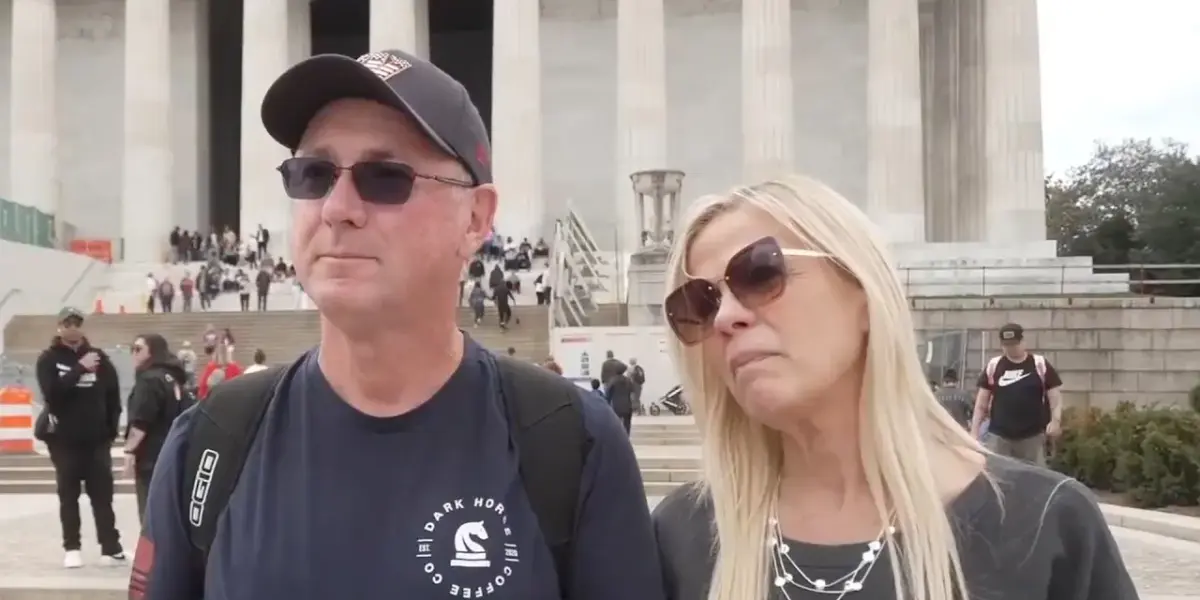
Recent protests across the country, dubbed ‘No Kings’ rallies, have sparked a debate about foreign influence. Reports suggest that communist and socialist groups, allegedly funded by American tech millionaire Neville Roy Singham, were present at these events. Some attendees were seen carrying flags with the hammer and sickle, a symbol long associated with communism. This has led many to question how concerned Americans should be about communist ideology appearing in public demonstrations.
Public Voices Divided on ‘No Kings’ Protests
On the National Mall in Washington D.C., people shared their reactions to the ‘No Kings’ rallies. Not everyone saw the protests as a serious political statement. One person called the movement “pure silliness” and a “joke.” They felt that the current leadership was finally doing what needed to be done. If liberals saw this leadership as “kingship,” they said, “so be it.” This viewpoint suggests that the protests are a misinterpretation of strong leadership.
Others found the protests confusing. They questioned why people were protesting something that didn’t exist, referring to the absence of any literal kings. They pointed out that former President Trump was elected by the people to do a job and was doing it well. The relevance of a ‘No Kings’ protest, in this view, was unclear and unnecessary.
Some participants viewed the rallies as gatherings for the unemployed. They described it as a way for people without jobs to connect and feel good about themselves. This perspective dismissed the protests as mere “propaganda” that shouldn’t be taken seriously. Another person expressed concern about how such demonstrations might affect tourism. They stated, “I don’t think they should be running my trip to Washington D.C. or anywhere.” This concern focused on the practical disruption caused by the rallies.
Concerns Over Foreign Funding and Ideology
A significant point of discussion was the presence of communist flags and organizations linked to the Chinese Communist Party. When asked about this, many expressed concern. “I think we should be concerned,” one person stated. They emphasized that people come to America for its “freedom and values.” They worried that bringing in foreign ideologies would “pollute” what makes America special.
This sentiment was echoed by others who saw a global competition of ideas. They acknowledged that “all sorts of ideologies all around the world” are trying to compete with capitalism and the West. Standing up for American beliefs was seen as crucial. The idea of following the money also came up, with one person suggesting that figures like George Soros might be involved in funding such movements.
The principle of allegiance was also raised. If someone is American or profits from the country, their loyalty should be to America. This viewpoint suggests that foreign influence in domestic politics is a betrayal of national identity. The presence of a “communist in New York” was mentioned as an example of concerning domestic trends. The call was clear: America needs its “own country, own rules, own laws” and should not be swayed by “foreign governments and foreign players.”
Why This Matters
The ‘No Kings’ rallies, and the reactions to them, highlight a growing public awareness and concern about foreign influence in American society. The appearance of communist symbols and alleged ties to foreign funding raise questions about the origins and goals of certain protest movements. It touches on deep-seated anxieties about national sovereignty and the protection of American values.
Historical Context and Background
The history of communism in the United States is complex and often fraught with tension. During the Cold War, anti-communist sentiment was widespread, leading to periods of intense scrutiny and suspicion of individuals and groups perceived as sympathetic to communist ideologies. While the immediate threat of global communism has changed, concerns about foreign ideologies influencing domestic affairs remain a recurring theme in American political discourse. The mention of funding from a tech millionaire with alleged ties to China taps into contemporary anxieties about global economic and political power dynamics.
Implications, Trends, and Future Outlook
The debate surrounding these protests indicates a few key trends. Firstly, there’s an increasing sensitivity to perceived foreign interference in domestic politics, particularly from countries like China. Secondly, the use of symbols like the hammer and sickle, even if by a small group, can trigger strong reactions based on historical associations. It suggests that ideological battles are not confined to international relations but are also playing out on American streets.
Looking ahead, we may see more scrutiny of protest movements and their funding sources. Politicians and media outlets are likely to continue highlighting any connections to foreign entities or ideologies deemed contrary to American interests. This could lead to a more polarized environment where any form of dissent is quickly labeled as foreign-backed. The challenge will be to distinguish legitimate protest and free speech from genuine attempts at manipulation or subversion by foreign powers.
The conversation also points to a potential division within the public regarding what constitutes acceptable political expression. While some see protests as a vital part of democracy, others view them with suspicion, especially when they are perceived as disruptive or influenced by external forces. This ongoing dialogue will shape how public assembly and political discourse evolve in the coming years.
Source: Citizens React To Communist Influence In 'No Kings' Rally (YouTube)

Related Articles
De Niro Rallies Against Trump: ‘He Must Be Stopped’
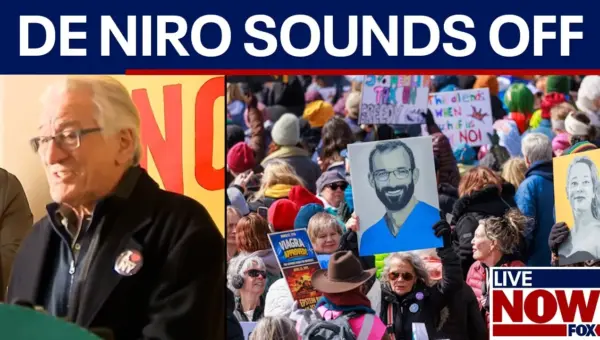
Actor Robert De Niro joined the "No Kings" rally, calling former President Donald Trump an "existential threat" to American freedoms. He urged supporters to unite against Trump, citing concerns over wars, corruption, and economic instability. De Niro emphasized a belief in core American values and a commitment to political action.
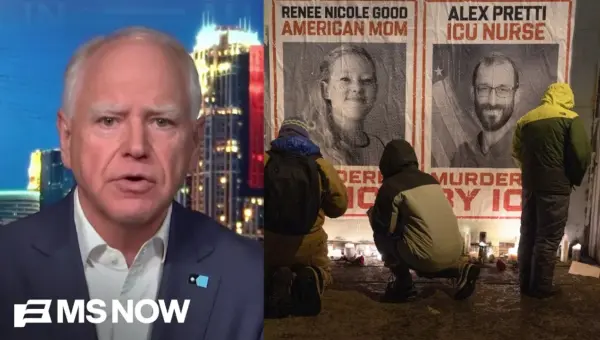
Minnesota Governor Vows ‘Never Forget’ at ‘No Kings’ Rally
Minnesota Governor Tim Walz will attend a 'No Kings' rally to remember those affected by recent events and demand justice. He criticized federal actions, citing the need to capture stories and prevent election interference. The community continues to seek accountability amid lingering impacts.

Democrats Face Ideological Crossroads Ahead of 2028
The Democratic Party is gearing up for a significant ideological battle in the upcoming 2028 primary, a departure from previous cycles characterized by ideological alignment. With no clear frontrunner emerging in early polls, candidates are expected to champion diverse visions, from progressive policies like Medicare for All to broader economic reforms, as they vie for the soul of the party.