Recession Fears Surge: Moody’s Warns of 49% Likelihood
Moody's Analytics signals a near 50% recession probability driven by weak labor markets. An expert who predicted the 2008 crisis warns the next downturn could be worse, fueled by interconnected risks in AI financing, private credit, and geopolitical instability.


Moody’s LEI Model Signals Growing Recession Risk
Financial markets are facing increasing unease as a leading economic indicator model from Moody’s Analytics suggests a nearly 50% probability of a recession within the next 12 months. This elevated risk, reaching its highest point since the COVID-19 pandemic, is primarily attributed to weakening labor market data, according to the firm’s machine learning-based Leading Economic Index (LEI). The LEI’s spike to 49% marks an ‘uncomfortable high,’ a level not seen since the early days of the pandemic and comparable to previous recessionary periods.
Contrarian Buy Signals May Fail, Warns Ed Yardeni
Adding to the cautionary sentiment, financial commentator Ed Yardeni suggests that current market conditions might not be conducive to the typical ‘buy the dip’ strategy. He points to a significant skew in S&P 500 put options relative to call options, reaching levels not observed since 2021. This surge in put options, which are used to hedge against or speculate on price declines, indicates a heightened bearish outlook among market participants. Yardeni also notes that the market may be underpricing the potential duration and impact of geopolitical tensions, particularly the conflict involving Iran and its ripple effects.
“The probability of recession starting in the next 12 months at an uncomfortable high of 49%… behind the recent jump are primarily the weak labor market numbers.” – Moody’s Analytics
‘Worse Than 2008’ Recession Predicted by Expert
Richard Bookstaber, a financial analyst who accurately predicted the 2008 financial crisis, is now issuing a stark warning that the upcoming economic downturn could be even more severe. In an analysis published recently, Bookstaber identifies four interconnected factors that could exacerbate a future crisis, moving beyond the traditional focus on a single cause like the 2008 housing bubble.
The Four Horsemen of the Potential Crisis:
- Private Credit and AI Fueling: Bookstaber highlights the symbiotic relationship between private credit markets and the burgeoning artificial intelligence (AI) sector. Private credit firms are providing substantial financing for AI infrastructure, including data centers. However, concerns are mounting about the sustainability of this funding, especially as layoffs in the tech sector, such as potential job cuts at Meta, signal a possible slowdown or recalibration in AI growth. The performance of firms like Blue Owl, a major player in private credit funding Meta’s data centers, has seen a significant stock price decline, falling approximately 65% from its peak.
- Geopolitical Instability (Iran & Taiwan): The ongoing conflict in the Middle East, particularly involving Iran, is seen as a significant risk factor. This instability can disrupt oil supplies, potentially leading to higher interest rates and increased costs for private credit. Furthermore, the potential for escalation could impact global supply chains, including critical semiconductor production in Taiwan. Disruptions to companies like TSMC could limit the supply of essential chips for AI and other technologies, further complicating the economic outlook. The article suggests that geopolitical maneuvering, including potential delays in high-level diplomatic meetings, could inadvertently create opportunities for further escalation.
- Supply Chain Vulnerabilities: The interconnectedness of the global economy means that physical world vulnerabilities, such as power grids, water resources, and supply chains, are becoming increasingly intertwined with financial markets. The disruption of essential materials like helium, derived from oil and gas refining and crucial for chip manufacturing, exemplifies how geopolitical events can cascade into increased production costs for advanced technologies like AI.
- Complex Financial Instruments and Obscured Risk: Echoing the lessons of 2008, Bookstaber warns that novel and complex financial instruments continue to obscure underlying risks. In 2008, Collateralized Debt Obligations (CDOs) and other derivatives amplified losses from the housing market. Today, similar opacity may exist within private credit markets, where valuations might be artificially maintained to preserve management fees, potentially masking significant declines in asset values. The article suggests that the lack of transparency in private markets, where asset managers may have incentives to avoid marking down assets, could lead to substantial losses if redemptions or a true valuation event occurs. This could result in small to medium-sized businesses returning only a fraction of the invested capital, as warned by Apollo’s co-president.
Market Impact and Investor Considerations
What Investors Should Know:
The confluence of these factors presents a complex and potentially volatile environment for investors. While Moody’s LEI model points to a heightened recession probability, the bond market has not yet fully priced in such a scenario, showing more concern for inflation. However, the ‘doomer’ narrative suggests that the interconnectedness of AI, private credit, geopolitical risks, and complex financial instruments could create a crisis more severe than that of 2008.
Short-Term Implications: Increased market volatility is likely as investors digest conflicting economic signals and geopolitical developments. The potential for underpriced geopolitical risks to materialize could lead to sharp market reactions. Investors may need to brace for potential downturns and reassess their risk exposure.
Long-Term Implications: The long-term outlook hinges on the resolution of geopolitical tensions and the sustainable growth of the AI sector. If the current issues are short-lived, the economy might continue its growth trajectory, albeit with ongoing adjustments in the AI and private credit spaces. However, if the systemic risks highlighted by Bookstaber materialize, the long-term economic landscape could be significantly altered, potentially leading to a prolonged period of deleveraging and restructuring across various sectors.
While some analysts believe certain aspects of the ‘doomer’ scenario, such as the immediate impact of the Taiwan situation, might be overblown, the underlying interconnectedness of risks is undeniable. The potential for private credit issues to spill over into the banking sector, coupled with ongoing layoffs, remains a significant concern, especially if geopolitical disruptions persist. Investors are advised to manage risk prudently, avoid excessive leverage, and focus on income generation and sound financial health amidst this uncertain economic climate.
Source: WARNING: This Recession Will be WORSE than 2008. (YouTube)

Related Articles
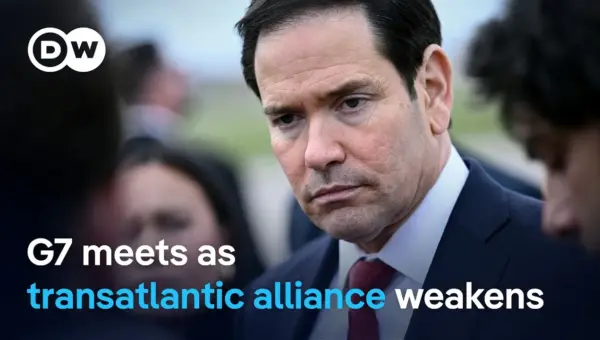
G7 Allies Clash Over Iran War Strategy, Urge Focus on Russia
G7 foreign ministers met in Paris, revealing deep divisions over the U.S. war with Iran. European allies urged the U.S. to pressure Russia, linking its actions to the conflict and fearing support for Ukraine will wane.

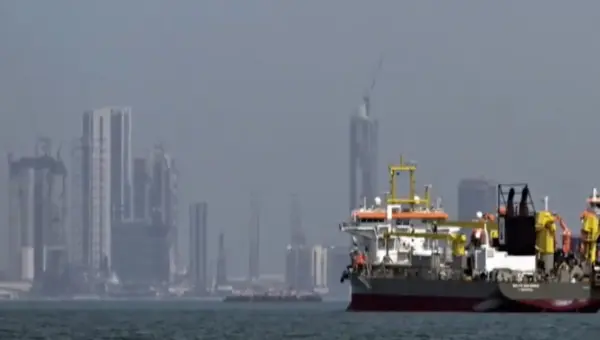
Iran Blocks China Ships, Exposing Beijing’s Weak Grip
Iran's recent decision to block Chinese ships at the Strait of Hormuz is exposing the limits of Beijing's influence in the Middle East. This action is causing delays and cancellations for Chinese manufacturers, turning a perceived geopolitical win into an economic strain.
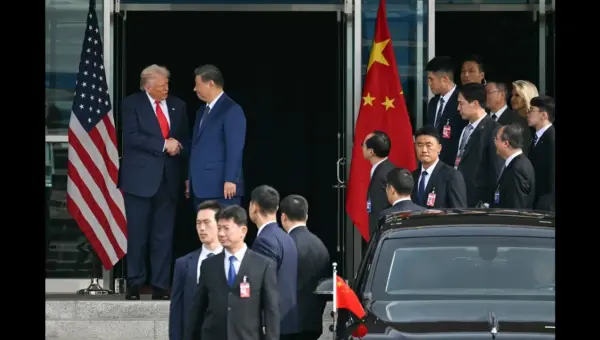
Trump’s “Walk Away” Tactic Signals Tougher Stance on China
Retired Air Force Brigadier General David Stillwell believes President Trump's strategy of being willing to walk away from negotiations puts pressure on China. This tactic, combined with US global actions and strengthened alliances, signals a more assertive American foreign policy.