Real Estate: Respond to Market Shifts
Success in real estate hinges on proactive responses to market shifts, much like navigating life's challenges. Understanding key concepts like cap rates and LTV, and adopting a 'go-getter' mentality, can empower buyers, sellers, and investors to capitalize on opportunities even amidst volatility.


Real Estate: Respond to Market Shifts
The real estate market, like life itself, is a dynamic environment. Success within it hinges not just on external conditions, but critically on how individuals choose to respond to them. While market forces, economic indicators, and interest rate fluctuations are beyond any single person’s control, the power to navigate these shifts and achieve desired outcomes resides in one’s proactive approach and reaction.
The Proactive Investor’s Advantage
In the realm of real estate investment, a common refrain is the importance of being a ‘go-getter.’ This philosophy suggests that those who actively pursue opportunities, make timely decisions, and take decisive action are the ones most likely to reap rewards. Waiting for the ‘perfect moment’ or hesitating after a market shift can mean missing out on valuable chances. In the fast-paced world of real estate, responsiveness is key. Opportunities often have a limited window, and those who hesitate may find that the chance to ‘participate’ has passed.
Understanding Market Dynamics
While the transcript focuses on a personal philosophy, its principles can be directly applied to real estate investing. The housing market is influenced by a complex interplay of factors:
- Interest Rates: Fluctuations in mortgage interest rates significantly impact affordability for buyers and the cost of capital for investors. Higher rates can cool demand, while lower rates can stimulate it.
- Inventory Levels: The number of homes available for sale dictates the balance of power between buyers and sellers. Low inventory typically favors sellers, leading to bidding wars and price appreciation. Conversely, high inventory can lead to price stagnation or declines.
- Economic Conditions: Broader economic health, including job growth, inflation, and consumer confidence, plays a crucial role. A strong economy generally supports a robust housing market, while a downturn can dampen it.
- Local Market Factors: Real estate is inherently local. Demand drivers such as population growth, job creation in specific sectors, and local development projects can create unique market conditions that differ significantly from national trends.
Key Real Estate Concepts for Navigators
For those actively engaged or looking to engage in real estate, understanding certain financial concepts is essential for making informed responses to market conditions:
- Capitalization Rate (Cap Rate): A measure of the profitability of an income-producing property. It is calculated by dividing the property’s net operating income (NOI) by its current market value. A higher cap rate generally indicates a potentially better return on investment, though it often correlates with higher risk. Investors use cap rates to compare the potential returns of different properties.
- Loan-to-Value Ratio (LTV): This ratio compares the amount of a mortgage loan to the appraised value of the property. A lower LTV (meaning a larger down payment) typically signifies lower risk for the lender and can result in better loan terms for the borrower. It’s a key metric for lenders assessing risk and for investors managing their capital.
- Cash Flow: The net amount of cash generated from an investment property after accounting for all expenses, including mortgage payments, property taxes, insurance, and maintenance. Positive cash flow means the property is generating more income than it costs to operate, providing a regular return to the investor.
Responding to Market Volatility
The transcript’s message about embracing action, even with the risk of ‘getting hurt,’ is particularly relevant in real estate. Market downturns or periods of uncertainty can be daunting. However, for the ‘go-getter’ investor, these times can present unique opportunities:
- Buying Opportunities: During market corrections or slowdowns, motivated sellers may list properties at more attractive prices, and competition among buyers might decrease, leading to less aggressive bidding wars.
- Renovation and Value-Add: For investors with the capital and expertise, acquiring distressed properties or those needing updates can be a strategic move. Post-renovation, these properties can be sold for a profit or rented out to generate income.
- Long-Term Perspective: Real estate is often viewed as a long-term investment. Market cycles are normal, and historically, property values tend to appreciate over extended periods. A proactive investor with a long-term outlook can weather short-term volatility.
Who is Most Impacted?
The ‘power lives in how you respond’ mantra impacts various stakeholders differently:
- Buyers: Those who are prepared, have their financing in order, and are ready to act quickly when a suitable property appears are more likely to secure a home, especially in competitive markets. Hesitation can lead to missed opportunities or facing higher prices later.
- Sellers: Sellers who are proactive in preparing their homes for sale, pricing them appropriately based on current market data, and being flexible with negotiations are more likely to achieve a successful sale, even in challenging conditions.
- Investors: Investors who continuously monitor market trends, understand their risk tolerance, and can adapt their strategies based on economic shifts and local market dynamics are better positioned to identify and capitalize on opportunities, whether it’s acquiring new assets or managing their existing portfolio.
The Takeaway
Ultimately, while external market forces are a reality, the success of an individual in the real estate arena is heavily influenced by their mindset and actions. Embracing a proactive, resilient approach—being willing to ‘get after it’ rather than waiting for life to happen—is crucial. This doesn’t mean making rash decisions, but rather being informed, prepared, and ready to act decisively when the right opportunities align with one’s goals and risk appetite. The real estate market rewards those who engage with it actively and strategically, understanding that their response to its inherent cycles is the most powerful tool they possess.
Source: The Power Lives In How You Respond (YouTube)

Related Articles


Breaking Into Real Estate: Opportunity Knocks
High property prices and interest rates dominate current real estate discussions, leading many to believe market entry is impossible without wealth. However, historical perspective and strategic thinking suggest opportunity persists for those willing to learn and adapt, regardless of their starting financial position.


Florida Housing Market Sees Sellers Face Losses
Sellers in Florida are increasingly facing significant financial losses as the housing market experiences a notable downturn. Properties bought just a couple of years ago are now being sold for less than their purchase price, highlighting the cyclical nature of real estate and the importance of data-driven decision-making.

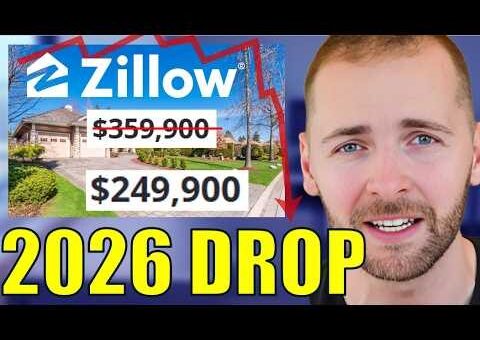
Housing Market Slowdown: Cities to Watch for Price Declines
Several U.S. cities are projected to see home price declines in 2026, driven by rising inventory and slower demand. Orlando, Seattle, Dallas-Fort Worth, Tampa, and Denver are among the markets highlighted for potential price adjustments, offering opportunities for buyers but signaling a shift from recent market conditions.