Raphael’s Art Speaks Across Centuries at the Met
The Met's "Raphael: The Poetry of Line" exhibition showcases over 170 masterpieces, many rarely seen together. It highlights the Renaissance master's skill in depicting human form and emotion, offering timeless insights into beauty and the human condition. This show connects classical art with contemporary appreciation.

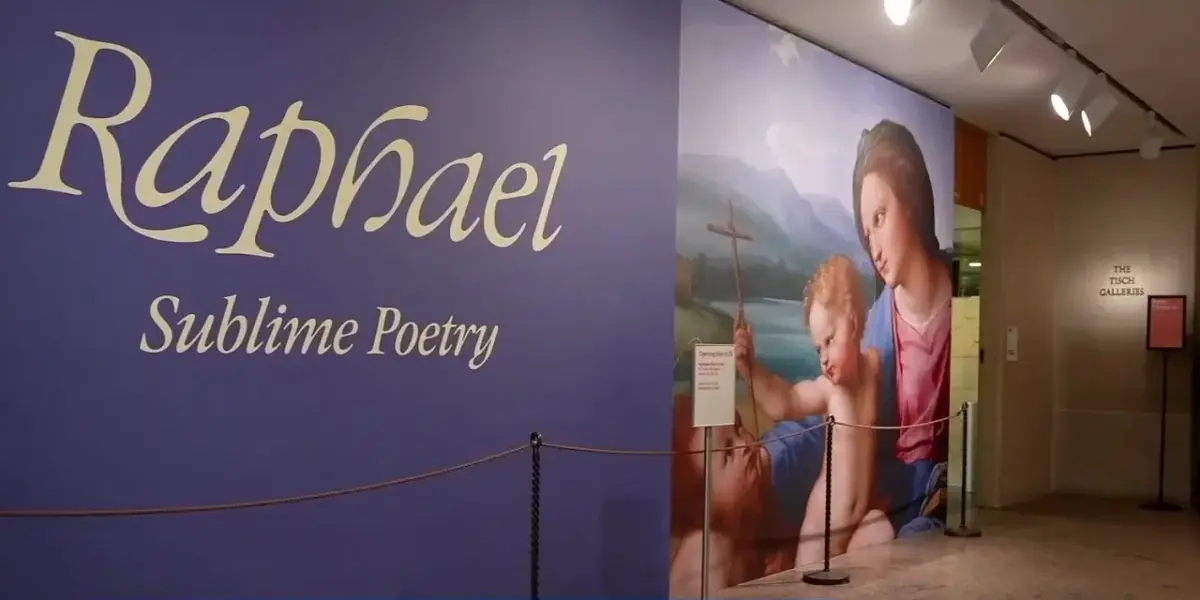
Raphael’s Art Speaks Across Centuries at the Met
The Metropolitan Museum of Art in New York City is now hosting a major exhibition called “Raphael: The Poetry of Line.” This is the first time such a large collection of the Italian Renaissance master’s work has been shown in the United States. The show brings together over 170 masterpieces, many of which have never been displayed together before.
Raphael, born Raffaello Sanzio da Urbino, lived a short life, passing away at just 37 years old. Despite this, he became one of the most famous artists of his time. He was known not only as a painter but also as a designer and architect. People at the time and even today see him as a perfect example of artistic skill and beauty. His work is recognized for its balance, clear style, and beautiful, classical feel.
A Renaissance Master
Raphael is counted among the three greatest artists of the High Renaissance, alongside Leonardo da Vinci and Michelangelo. He was the youngest of this famous trio. His art captured a sense of harmony and clarity that continues to impress viewers today. Experts note that Raphael had a unique way of understanding human connections and the human experience. His paintings seem to express a deep longing for something greater, connecting with people across time.
Raphael’s works speak to us in a profound way, the same way as they’ve spoken to people during his lifetime.
The exhibition explores Raphael’s entire career, from his early works to his most famous pieces. It pays special attention to his groundbreaking depictions of the female form and his beloved Madonna paintings. The show also includes new scientific findings about his artistic methods, offering fresh insights into how he created his masterpieces.
Timeless Appeal in the Modern Age
In an era often dominated by abstract art, the exhibition highlights the enduring power of figurative painting. While abstract art has been popular for nearly a century, there’s a growing interest among contemporary artists in returning to depicting the human figure. This makes it the perfect moment to appreciate Raphael’s skill as a painter and draftsman of people.
Whether he was painting women, men, or children, Raphael captured them with what seems like perfection. This perfection, however, was the result of immense effort. It’s often said that hours of hard work went into capturing that single, perfect moment on canvas. The exhibition includes paintings, drawings, and even tapestries, showing the wide range of his talent.
“Raphael: The Poetry of Line” runs at the Metropolitan Museum of Art until June 28th. It offers a chance to experience the lasting influence of one of history’s most admired artists.
Why This Matters
This exhibition is significant because it brings a major figure of Western art to a wider American audience, many of whom may only know Raphael by name. Seeing these works together provides a comprehensive understanding of his artistic journey and impact. It also reminds us that classic art can still resonate deeply with modern viewers, offering insights into human nature and beauty that are timeless.
Implications and Future Outlook
The show suggests a continued interest in classical art and figurative representation. As contemporary art evolves, there’s often a dialogue between modern styles and historical masters. Exhibitions like this can inspire new artists and help the public connect with art history in a meaningful way. Raphael’s ability to capture emotion and humanity ensures his work will continue to be studied and appreciated for generations to come.
Historical Context
The Italian Renaissance was a period of great artistic and cultural rebirth in Europe, roughly from the 14th to the 16th century. Artists like Raphael built upon the achievements of earlier masters, developing new techniques and exploring humanism. This era saw a renewed focus on classical learning and a belief in human potential, which is reflected in the balanced and harmonious qualities of Renaissance art. Raphael, though the youngest, was central to this movement, defining a standard of beauty and technical skill that influenced art for centuries.
Source: Raphael's Renaissance Grace Displays at the Met (YouTube)

Related Articles


US Aims for Moon Again, Igniting Space Race Echoes
The United States is set to launch Artemis II, sending four astronauts on the first human mission to the moon in over 50 years. This mission marks a renewed focus on lunar exploration, driven by scientific discovery, resource potential, and strategic positioning.


Food Stamp Rules Tighten: States Ban Soda and Candy
Several states are now banning the purchase of soda and candy with SNAP benefits. This move, supported by the Agriculture Department, aims to ensure taxpayer money funds nutritious options. However, critics argue these restrictions undermine food security and personal choice.


Military Chaplain Reform: 20 Years Late, But Is It Enough?
Former Navy Chaplain Gordon Klingenschmitt argues that recent military reforms for the Chaplain Corps are 20 years too late. He shares his experience of losing his career for praying in Jesus' name and points to ongoing censorship and punishment of chaplains. Reforms like removing rank insignia aim to refocus chaplains on spiritual service, but critics question if they go far enough to protect religious freedom.