Rand Paul Urges Trump to “Walk Away” from Iran Conflict
Senator Rand Paul is urging President Trump to withdraw from the escalating conflict with Iran, citing concerns over constitutional authority, national debt, and the absence of a clear national interest. Paul questions the financial sustainability of prolonged warfare and advocates for a swift end to U.S. military engagement.

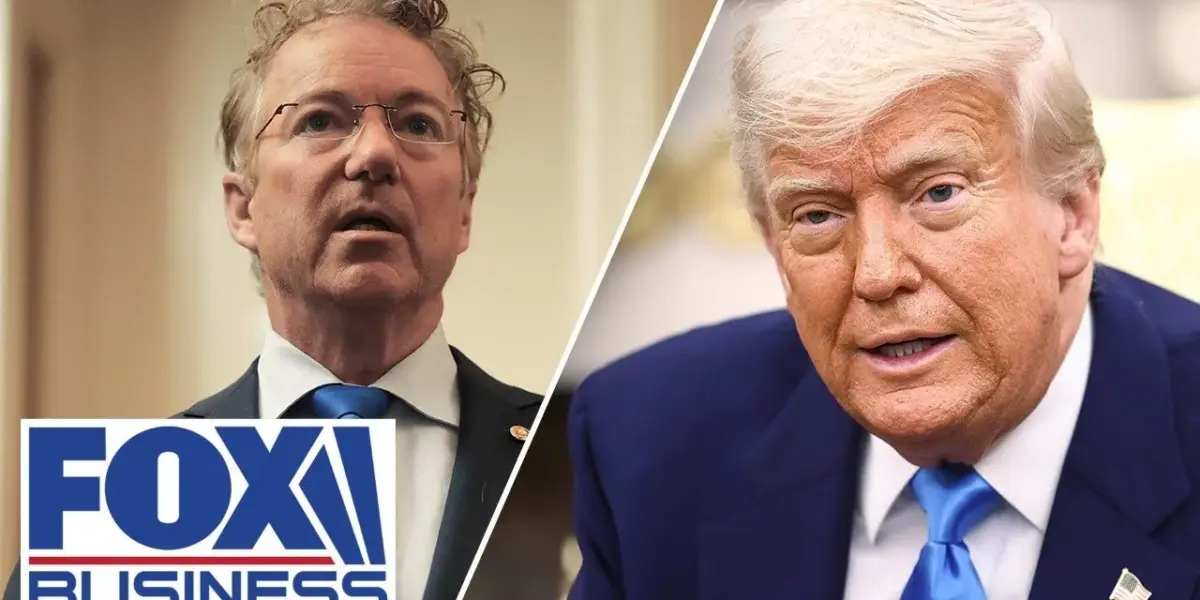
Senator Rand Paul Advises President Trump to Exit Iran Conflict, Citing Fiscal Concerns and Lack of National Interest
WASHINGTON D.C. – Senator Rand Paul of Kentucky has issued a strong admonition to President Donald Trump, urging him to “walk away” from the escalating conflict with Iran, arguing that continued U.S. involvement is not in the nation’s best interest. Speaking in a recent interview, Paul articulated his concerns regarding the constitutional authority for military engagement, the significant financial burden on an already indebted nation, and the absence of a clear national security imperative for American troops in the region.
Constitutional Questions and the Cost of War
Senator Paul began by questioning the constitutional basis for the current military actions against Iran. “The Constitution outlines how we’re supposed to initiate or declare war and that’s supposed to be through a vote of Congress. We haven’t done that,” Paul stated, highlighting a perceived deviation from established procedures. He acknowledged a prior vote but expressed doubt about its implications for the current situation.
Beyond the procedural concerns, Paul emphasized his belief that the most significant threat to American national security is the nation’s burgeoning debt. He dismissed the notion that Iran posed a direct military threat to the United States, stating, “I don’t think we were ever in danger of Iranian troops or the Navy coming over to the United States.” Instead, he warned of the dangers of overextension, citing discussions of immediate financial needs and proposed military spending increases.
“They’re talking about another 50 billion they need immediately. The President is talking about another 500 billion he wants to spend on the military. That would be a 50% increase in our military. We currently spend at a trillion, which is more than the next 10 countries combined,” Paul elaborated. He concluded this point with a firm statement on fiscal responsibility: “So, I think that you can’t be fiscally conservative and be for unlimited warfare.”
Defining “Winning” and National Interest
When pressed on whether the U.S. should cease its involvement immediately, Paul was unequivocal. “I think it’s not good for America. I think what’s going to happen, it’s going to turn the public also against the President and against the Republican Party,” he predicted. However, he stressed that the primary consideration must be the value of risking American lives.
“Most importantly, the decision on going to war has to be about whether or not it’s worth risking Americans’ sons and daughters’ lives. I think in this interest, there is no true national interest in having our soldiers there,” Paul asserted. He reiterated his stance, stating, “The war should never have gone. The sooner it’s over—the sooner you stop it the better off America will be and our soldiers will be.”
Paul also addressed the ambiguity surrounding the definition of victory in the conflict. He questioned the realism of goals such as regime change or installing a new leader in Iran, noting that similar objectives in Venezuela had not yielded the desired results. “If you say it’s choosing a new Ayatollah, I think that’s unrealistic, and regime change, it doesn’t look like the regime is going to change,” he commented. He added, “We’ve recapitated the regime and knocked out the weapons and complete rule of the sky and the seas, but in the end, in Venezuela, the same regime is still in Venezuela, and the same regime is still in Iran.” Paul concluded that success is contingent upon one’s definition of winning.
Homeland Security Funding and Fiscal Scrutiny
The conversation also touched upon the contentious issue of Homeland Security funding and the ongoing partial government shutdown. When asked if he would vote to fund the department, Paul indicated a willingness to engage in discussions but expressed reservations about the current proposed funding levels.
“I’ve vote today get on the bill, to discuss whether or not it should be funded and what the level is. I will likely vote against the current level because I think it’s too much,” he stated. Paul highlighted past spending, referencing an additional $75 billion allocated to Homeland Security the previous summer, with $45 billion designated for a border wall.
He raised specific questions about the cost of the wall and the allocation of funds for advertising campaigns. “If you type in a search engine, the government, our government says it costs about 6 to 8 million a mile, why did they get 46 billion? Why did we spend 220 million on ads and ad campaign that went to the husband’s company of the person running the PR for the Department of Homeland Security?” Paul questioned, pointing to what he perceived as potential mismanagement and a lack of competitive bidding.
Paul concluded by emphasizing his commitment to fiscal accountability. “There needs to be somebody up here and I’m proud to be one of the people who ask questions about money and I’m just not a rubber stamp for more debt,” he affirmed, positioning himself as a watchdog against unchecked government spending.
Looking Ahead
Senator Paul’s remarks underscore a growing debate within the Republican party regarding foreign policy and fiscal responsibility. As the situation with Iran continues to evolve, President Trump faces increasing pressure from various factions to define the objectives and long-term strategy of U.S. involvement. The coming weeks will likely reveal whether the administration will heed calls for de-escalation or pursue a more assertive course, with significant implications for both international relations and domestic economic policy.
Source: 'WALK AWAY': Rand Paul warns Trump about WAR consequences (YouTube)

Related Articles
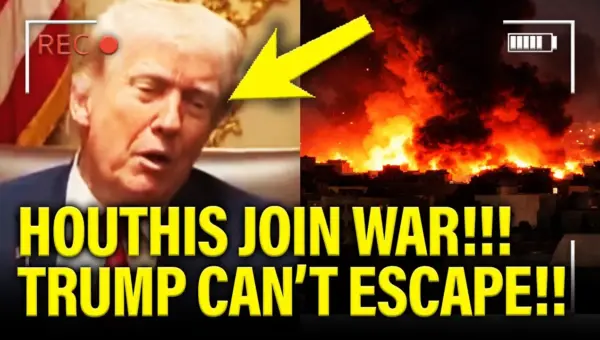
Iran Escalates Global Conflict, Threatens World Economy
Yemen's Houthi rebels have officially joined the conflict, launching ballistic missiles at Israel and escalating regional tensions. This move threatens vital shipping lanes like the Red Sea's Bab al-Mandab strait, potentially causing catastrophic economic consequences. Meanwhile, US soldiers have been injured in Iranian missile strikes, adding to the mounting human and financial costs of the escalating war.


Trump’s Iran Claims: Shocked or Deluded by War Games?
Donald Trump claimed surprise over Iran's actions in the Strait of Hormuz, but experts suggest retaliation was inevitable. Military war games likely predicted such a scenario, raising questions about the advice given to the President.

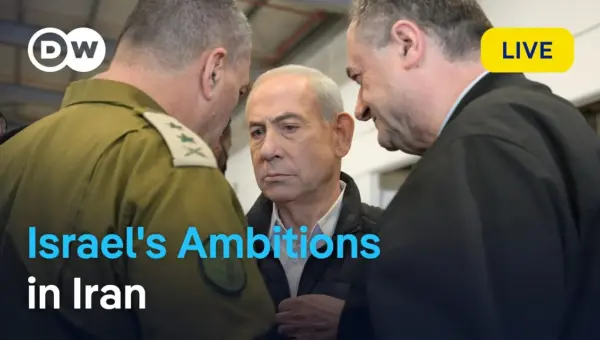
Israel’s Strategy Against Iran Revealed
Israel's strategy to counter Iran's nuclear ambitions and regional influence centers on containment, utilizing a mix of covert military actions, intelligence operations, and diplomatic pressure. Analysts highlight the growing urgency due to Iran's nuclear advancements, while also noting the persistent risk of escalation in the volatile Middle East.