Rand Paul Disputes Iran Nuclear Claims, Questions War Justification
Senator Rand Paul questions the U.S. government's conflicting statements on Iran's nuclear program, arguing that intelligence reports contradict claims of an imminent threat. He emphasizes the constitutional requirement for congressional approval for war and opposes military action based on disputed facts and potential high costs.

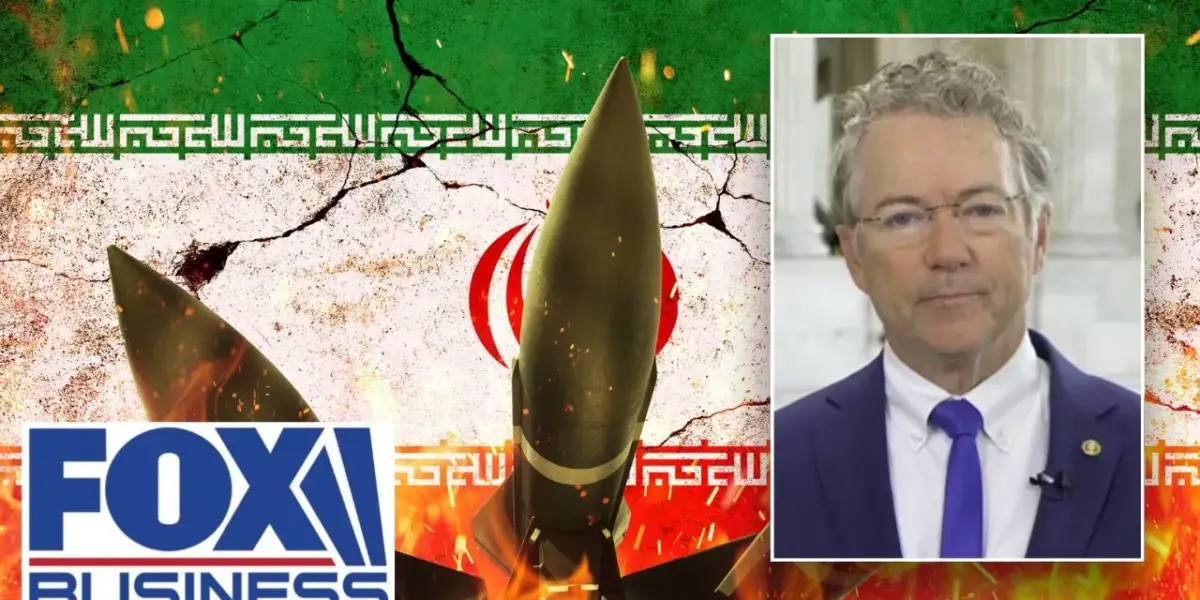
Senator Questions Intelligence on Iran’s Nuclear Program
Senator Rand Paul is raising serious questions about the U.S. government’s claims regarding Iran’s nuclear capabilities and the justification for potential military action. He argues that conflicting statements from the administration and intelligence agencies create confusion about the actual threat posed by Iran.
Conflicting Reports on Nuclear Progress
Senator Paul highlighted a significant disagreement over whether Iran is actively developing nuclear weapons. He pointed out that 18 U.S. intelligence agencies have reported no progress in Iran’s nuclear weapon development since last summer. This contradicts claims made by the Trump administration, which stated that Iran’s nuclear capabilities were “obliterated” last summer. “It can’t be both ways,” Paul stated, questioning how Iran’s program could be both destroyed and on the verge of producing a weapon.
Constitutional Concerns Over War Powers
A central theme of Senator Paul’s challenge is the executive branch’s perceived overreach in committing the U.S. to military engagements without clear congressional approval or public debate. He emphasized that the Constitution requires Congress to declare war or pass a resolution authorizing the use of force. “The administration and former administrations of both parties think they can just commit war as they please and that there are no repercussions,” Paul noted. He believes presidents should not be able to commit the nation to war based on events that happened decades ago, arguing that such claims undermine the idea of an “imminent threat.”
What is an Imminent Threat?
Senator Paul explained that the Constitution allows presidents to go to war under specific circumstances: a declaration of war by Congress, a congressional resolution for the use of force, or in response to an imminent threat. He argued that the burden is on the president to prove an imminent threat exists to both the public and Congress. Citing events from 47 years ago as justification for current military action, he believes, loses the element of imminence and lacks a legal foundation. He also stated that such conflicts, in terms of cost and lives, actually make the nation less secure.
The Nuclear Threat: A Broader Perspective
When questioned about the specific threat of Iran potentially using enriched uranium for a dirty bomb in Europe or the Middle East, Senator Paul broadened the scope. He pointed out that other countries, including North Korea, China, Russia, Pakistan, India, and Israel, also possess enriched uranium. This comparison suggests that the mere possession of such material does not automatically equate to an imminent threat justifying war, especially when other nations with nuclear capabilities are not perceived as actively trying to harm the U.S.
Opposition to War
Due to these concerns about intelligence accuracy and constitutional authority, Senator Paul expressed his opposition to the potential war. He believes that the financial and human costs associated with such conflicts do not enhance national security. His stance underscores a call for greater transparency and adherence to constitutional procedures in decisions regarding military engagement.
Market Impact
Geopolitical tensions and the prospect of military conflict can significantly impact global markets. Uncertainty surrounding Iran’s nuclear program and potential U.S. military responses can lead to volatility in oil prices, as Iran is a major oil producer. Higher oil prices can increase transportation and production costs for businesses, potentially leading to inflation. Defense stocks may see increased activity as investors anticipate greater spending on military equipment and services. Overall market sentiment can also shift, with investors becoming more cautious and seeking safer investments during times of heightened geopolitical risk.
What Investors Should Know
Investors should closely monitor developments related to Iran’s nuclear program and any U.S. policy responses. Understanding the constitutional arguments and intelligence assessments presented by figures like Senator Rand Paul can provide context for potential geopolitical shifts. It is important to remember that the possession of nuclear material by multiple countries highlights the complexity of international relations and the need for careful diplomacy. Investors should consider how potential conflicts or escalations could affect sectors like energy and defense, and how overall market sentiment might be influenced by such events. Diversifying investments can help mitigate risks associated with geopolitical uncertainty.
Source: 'CAN'T BE BOTH WAYS': Rand Paul challenges Iran nuclear program obliteration claims (YouTube)

Related Articles


Stocks Ignore War Risks, Focus on “Taco Moments”
Stock markets appear to be overlooking the severe supply chain risks stemming from the Iran conflict, focusing instead on potential diplomatic de-escalations. While the S&P 500 shows resilience, bond and commodity markets signal deep concern over disruptions to critical resources like LNG, helium, and fertilizers.


U.S. Iran Tensions Rise Amid Shifting Alliances
Rising tensions between the U.S. and Iran are creating a volatile geopolitical situation. With conflicting signals on de-escalation and potential shifts in alliances like NATO and U.S.-Israel relations, the path forward remains uncertain. The global economy and regional stability hang in the balance.


Iran Targets US With Cyberattacks, Escalating Digital Warfare
Iran is increasingly using cyberattacks to challenge the U.S., as seen in a recent hack of the FBI director's account. Experts say this is a strategic shift due to Iran's limitations in conventional warfare. The U.S. needs to strengthen its digital defenses, focusing on encryption and cloud computing, rather than solely relying on traditional security measures.