Putin’s War Chest Drained: Russia’s Oil Revenue Plummets
Russia's oil revenues have plummeted to alarming lows due to sanctions and the impending EU embargo, raising questions about the sustainability of its war in Ukraine. Experts express skepticism about swift peace, citing Kremlin demands for surrender and a continued focus on military objectives. The situation is further complicated by internal divisions within the U.S. administration regarding foreign policy and military aid.

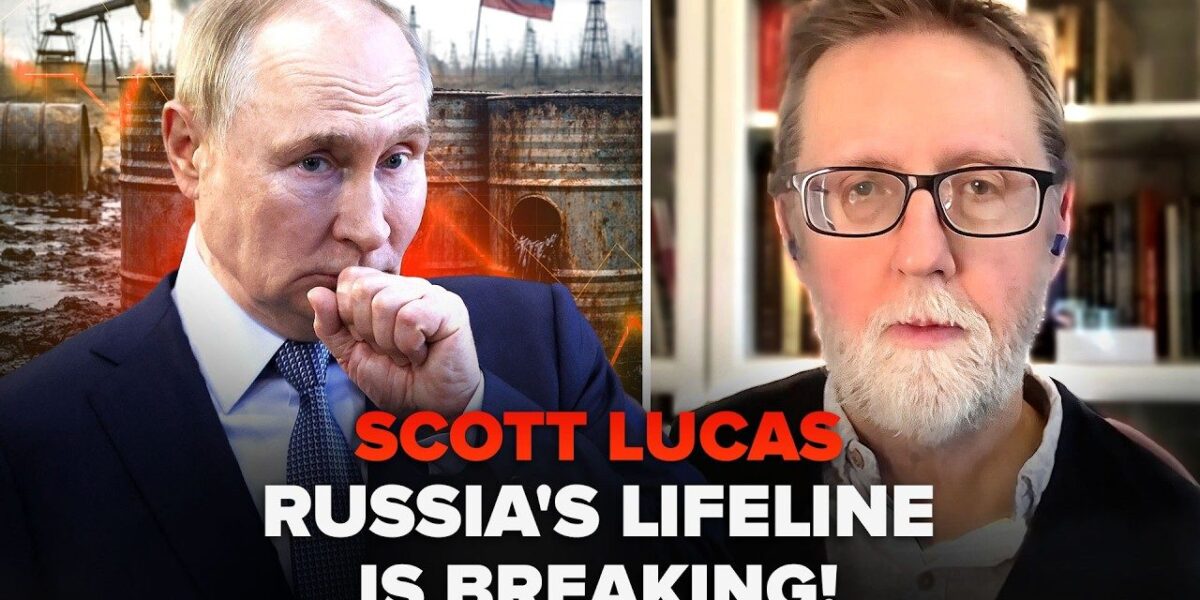
Russia’s Financial Lifeline Weakens Amidst War and Sanctions
The ongoing conflict in Ukraine continues to exact a heavy toll on Russia’s economy, with oil revenues plummeting to alarming lows. Professor Scott Lucas of University College Dublin’s Institute for International Politics highlighted the significant impact of international sanctions and the impending European Union embargo on Russian oil and gas, set to fully take effect at the start of 2027. This projected cutoff represents a critical juncture for Moscow, potentially forcing a re-evaluation of its prolonged military campaign.
Unrealistic Ceasefire Hopes and Kremlin’s Demands
Amidst discussions of potential peace talks, the feasibility of a swift end to the war remains questionable. While Ukrainian President Volodymyr Zelenskyy has expressed readiness to end the invasion, the terms of such a conclusion are a significant hurdle. Professor Lucas noted that Ukrainian proposals for a demilitarized zone in Donetsk and monitoring of a ceasefire have been met with continued Russian insistence on achieving its military objectives. Kremlin spokesman Dmitry Peskov has reiterated that goals have not yet been achieved and that any leaders’ meeting is contingent upon the Kremlin’s demands being fully met, which essentially translates to a call for Ukraine’s surrender.
The upcoming Russian Duma elections in September are also seen as a factor, with the ruling party reportedly planning to leverage the ongoing military operation to bolster electoral support. This suggests a continued commitment to the invasion, at least in the short term.
“The Kremlin is still calling for the surrender of Ukraine.” – Professor Scott Lucas
US Policy Divides and the Impact on Military Aid
Professor Lucas also addressed the complexities of U.S. policy towards the conflict, noting internal divisions within the Trump administration. While some factions have supported sanctions against Russia’s oil sector, leading to a reported halving of Russian oil revenues, others, particularly Donald Trump, view foreign policy through a transactional lens. This approach means that direct military assistance to Ukraine is not provided; instead, weapons must be purchased by NATO countries, who then supply them to Ukraine. Similarly, significant financial aid has largely come from the European Union, underscoring the need for continued European support.
The discussion also touched upon the provision of long-range missiles, such as Tomahawks. Despite calls for the U.S. to supply these crucial weapons to Ukraine, Professor Lucas indicated that such support has been withheld, with the expectation that European allies would fill the gap. This highlights a potential strategic divergence in how the U.S. and its European partners are approaching the provision of advanced weaponry.
Security Guarantees and Hybrid Warfare Threats
Looking ahead, Professor Lucas emphasized the critical need for meaningful security guarantees for Ukraine in any ceasefire agreement. He stressed that past assurances, like the Budapest Memorandum, have proven insufficient. Future guarantees, he argued, must involve foreign troops stationed within Ukraine, robust air defense, and a close security relationship with NATO members, even if Ukraine does not join the alliance itself.
Beyond direct military conflict, Professor Lucas warned of Russia’s continued engagement in hybrid warfare tactics, including sabotage, cyber operations, espionage, disinformation, and election interference. He asserted that European nations must proactively strengthen their defenses against these ongoing operations, which have been employed by Russia for over a decade.
Russia’s Shifting Tactics and Nuclear Rhetoric
The interview also addressed Russia’s recent escalation of “terrorist attacks” in Ukrainian cities, occurring even amidst peace negotiations. Professor Lucas acknowledged that Ukraine has also conducted strikes within Russia, targeting military and law enforcement personnel. However, he condemned the broader pattern of Russian attacks on civilian infrastructure and law enforcement, citing a recent incident in Lviv that resulted in casualties.
Furthermore, the discussion delved into Russia’s increasingly frequent nuclear rhetoric. Professor Lucas suggested this is a tactic of projection and intimidation, aimed at pressuring Europe and its allies. He noted the zero evidence supporting claims of the UK and France providing nuclear warheads to Ukraine, characterizing such statements as disinformation designed to sow discord and portray Russia as a victim.
The timing of this rhetoric, Professor Lucas observed, coincides with European Union deliberations on crucial aid for Ukraine, particularly in light of Hungary’s obstructionist stance under Prime Minister Viktor Orbán. Russia, he posited, is attempting to exploit these internal EU divisions to delay or block vital assistance.
Concerns Over U.S. Diplomatic Approach and White Nationalism
A significant portion of the discussion focused on the unconventional diplomatic approach of the Trump administration, particularly the involvement of individuals like Steve Bannon and Jared Kushner in sensitive negotiations concerning Ukraine and Iran. Professor Lucas expressed strong reservations about these individuals, whom he described as lacking diplomatic expertise, conducting complex international talks simultaneously.
He contrasted this with the necessity of experienced career diplomats, intelligence officers, and military personnel in such high-stakes negotiations. The sidelining of professional State Department personnel in favor of Trump’s associates was highlighted as a worrying trend, potentially undermining effective foreign policy.
Professor Lucas also articulated a stark assessment of the Trump administration’s foreign policy stance, suggesting it poses a threat to European security. He linked this to a belief within some circles of the administration that the European Union should be dismantled to allow for individual bilateral dealings. This perspective, he argued, is intertwined with a broader agenda of promoting hard-right political factions across Europe, potentially fostering instability and undermining democratic institutions.
He concluded by reflecting on President Zelenskyy’s past refusal to interfere in U.S. elections, suggesting this principled stance has led to ongoing resentment from the Trump camp. This, coupled with a perceived transactional approach to foreign policy and a potential embrace of white nationalism, paints a concerning picture for the future of both Ukrainian and European security, regardless of the war’s immediate outcome.
Looking Ahead: The Long Road to Stability
The coming years will be critical in determining the trajectory of the conflict and its broader geopolitical implications. Key developments to watch include the European Union’s full embargo on Russian oil and gas in 2027, the effectiveness of ongoing sanctions, and the potential for Ukraine to secure robust, long-term security guarantees. The internal political dynamics within the United States and their impact on foreign policy decisions will also remain a crucial factor. As Professor Lucas suggests, Russia’s ability to sustain its invasion hinges on its economic resilience and its capacity to overcome international isolation, while the West’s sustained unity and strategic foresight will be paramount in navigating the complex challenges ahead.
Source: 😱Putin’s clock is ticking as oil revenues crash to alarming lows (YouTube)

Related Articles
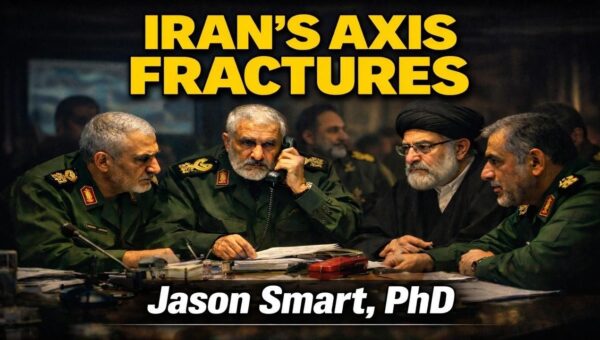
Iran’s Regime Under Siege: Attacks Cripple Leadership, Impact Russia
Iran's regime is reportedly facing critical blows from targeted attacks, crippling its leadership and severing a vital military supply line to Russia. This dual pressure is significantly impacting Russia's war efforts in Ukraine, while internal dissent grows within Iran.

Iran’s Oil Leverage: Strait of Hormuz and Geopolitical Chess
Iran's strategic control over the Strait of Hormuz, a vital oil chokepoint, and its role as a key oil supplier to China and Russia grant it significant global leverage. This dynamic, coupled with regional security concerns, profoundly impacts energy markets and U.S. foreign policy.
Putin’s Grip Weakens: Journalist Sees Russia’s Endgame
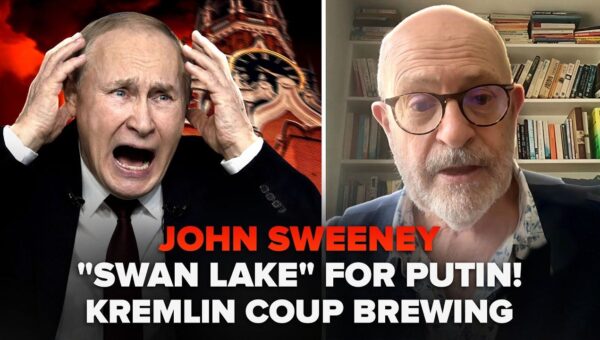
British journalist John Sweeney asserts that Vladimir Putin cannot afford to end the Ukraine war, as doing so would expose its futility and threaten his rule. He calls for stronger Western sanctions and increased aid to Ukraine, predicting a gradual erosion of Putin's power driven by economic pressures and internal dissent.