Putin’s Support Plummets Amidst War Woes
Newly released polling data from Russia's own research center indicates a historic low in President Vladimir Putin's public trust, with less than 30% willing to endorse him for critical state decisions. This decline is attributed to rising utility costs, internet disruptions, economic strain, and fears of conscription, all exacerbated by the ongoing war in Ukraine. The findings suggest a growing domestic instability that could have significant geopolitical consequences.

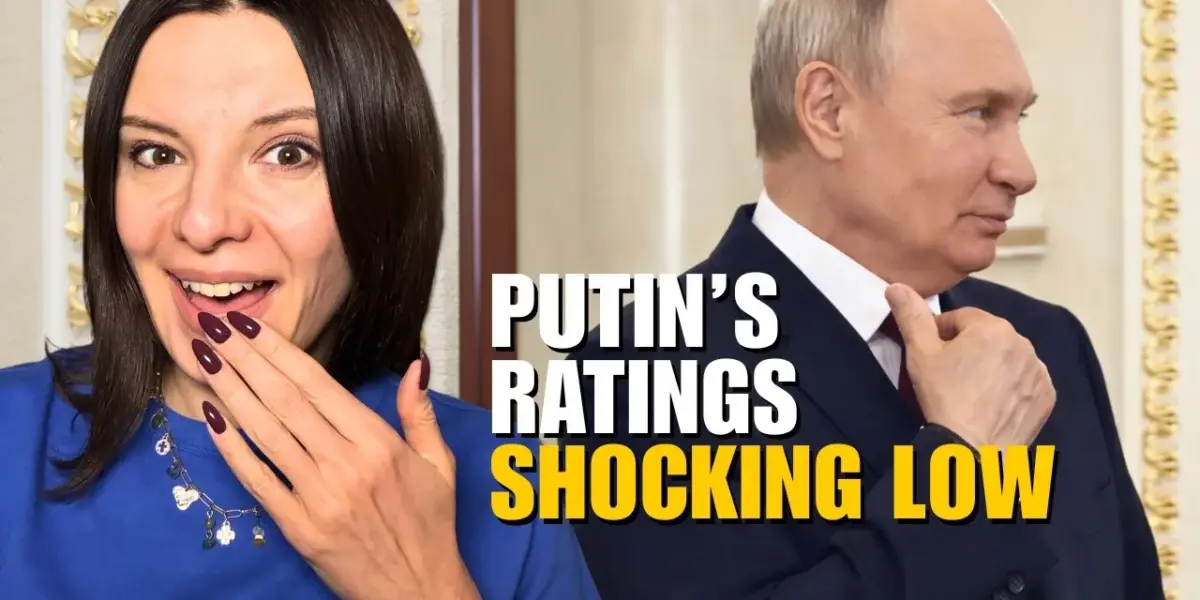
Kremlin Polls Show Historic Drop in Putin’s Trust
New polling data from Russia’s own public opinion research center indicates a significant and historic decline in public trust for President Vladimir Putin, reaching its lowest point since the commencement of the full-scale invasion of Ukraine. The findings, reportedly obtained through a carefully worded survey designed to circumvent direct political questioning, suggest that less than 30% of respondents would trust Putin to handle critical state decisions. This marks a dramatic shift for a leader who has long projected an image of unwavering authority and popularity.
Survey Methodology and Shifting Public Sentiment
The Russian Public Opinion Research Center (VTsIOM) reportedly employed a veiled approach to gauge public confidence, asking respondents to name any politician they would trust to handle important state matters. This indirect method, a departure from more direct polling common in Western democracies, yielded surprising results. While Vladimir Putin was named by only 32% of participants, a range of other figures, some obscure and others notable, were also cited. Among them were figures like Ramzan Kadyrov, known for his inflammatory rhetoric and threats, and Gennady Zyuganov, the long-standing leader of the Communist Party, whose continued relevance in Russian politics is highlighted by this result. The shift in public sentiment is attributed by analysts to a confluence of domestic pressures exacerbated by the ongoing conflict.
Key Factors Driving Discontent
Several key domestic issues appear to be eroding public confidence in the Kremlin’s leadership. The transcript highlights the following as primary drivers of discontent:
- Rising Utility Tariffs: A sharp increase in utility costs, without a corresponding improvement in service quality, is causing significant hardship for Russian citizens. Reports indicate that numerous regions are experiencing issues with basic services like heating and gas supply, not due to external attacks, but due to strained regional budgets.
- Internet Shutdowns: Recurring and prolonged internet and mobile service disruptions, including recent tests conducted in Moscow that left some districts without access for days, are impacting daily life and business operations. This creates frustration and hinders communication and economic activity.
- Economic Strain and Business Closures: New taxes and the general economic disruption caused by the war effort are leading to the closure of businesses. This economic instability, coupled with difficulties in accessing personal funds from banks, further fuels public anxiety.
- Fear of General Conscription: The high mortality rate among Russian soldiers and the grim conditions on the front lines have instilled a deep-seated fear of general conscription among the population. With reports suggesting the government may struggle to fund contract soldiers, the prospect of being drafted into active combat is a significant concern.
- Banking Sector Instability: Issues with cash withdrawals from ATMs and even physical bank branches, where tellers may deny access to funds, indicate a growing banking crisis and a loss of confidence in the financial system.
Strategic Implications: The War Returns Home
The shift in public opinion is occurring against a backdrop of escalating security concerns within Russia itself. Reports of fires, explosions, and sabotage in major cities like Moscow and St. Petersburg, alongside GPS jamming and disruptions to military infrastructure in various regions, suggest that the conflict is increasingly reaching deep into Russian territory. This phenomenon, often referred to as the war returning home, challenges the Kremlin’s narrative of a distant and controlled military operation. The ability of Ukrainian forces to strike targets thousands of kilometers inside Russia, as suggested by reports of ‘flamingo missiles,’ further underscores this vulnerability and the limitations of Russia’s air defense capabilities. The economic strain, coupled with these direct security concerns, is creating a volatile domestic environment that directly impacts the Kremlin’s ability to sustain its war effort and maintain public support.
Historical Parallels and Imperial Collapse
The current situation within Russia draws parallels to the eventual collapse of large federations and empires, a process often characterized by rapid disintegration following periods of perceived strength. The unexpected dissolution of the Soviet Union in 1991 serves as a stark historical precedent, demonstrating how seemingly entrenched power structures can crumble swiftly under internal and external pressures. The author suggests that the current discontent and the visible strains on the Russian state and society could be indicative of a similar trajectory for what is perceived as the ‘Putin empire.’ The increasing criticism of the ‘special military operation’ from within Russian regional councils and by deputies further signals a fracturing of unified support.
Broader Geopolitical Impact
The erosion of Putin’s domestic standing and the increasing signs of internal instability within Russia have significant geopolitical ramifications. A weakened or internally preoccupied Russia could alter the dynamics of international relations, potentially impacting global security and economic stability. The conflict in Ukraine, which has been a major catalyst for these domestic issues, continues to be a focal point of global attention. The ability of Ukraine to sustain its defense and inflict pressure on Russian territory, both militarily and psychologically, plays a crucial role in shaping these broader geopolitical outcomes. The narrative of a successful, albeit costly, defense by Ukraine, contrasted with Russia’s mounting internal problems, could influence international alliances and support for both sides.
Call for Support
The article concludes with a call for continued international support for Ukraine, highlighting the role of organizations like Ukraine Aid Operations in providing essential equipment, such as drones, to Ukrainian soldiers. The author emphasizes that standing with Ukraine is crucial in achieving a lasting peace, framed as the demilitarization of Russia.
Source: PUTIN’S SUPPORT COLLAPSES: KREMLIN’S OWN POLLS REVEAL THE TRUTH Vlog 1342: War in Ukraine (YouTube)

Related Articles

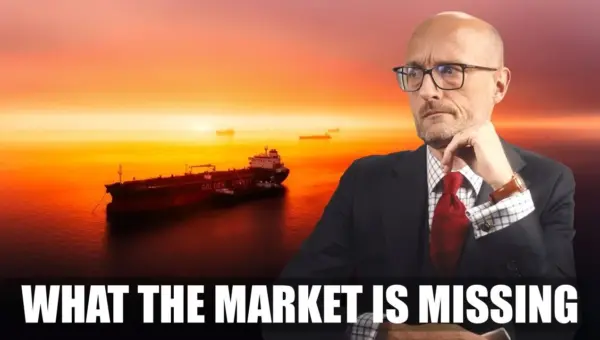
Stocks Ignore War Risks, Focus on “Taco Moments”
Stock markets appear to be overlooking the severe supply chain risks stemming from the Iran conflict, focusing instead on potential diplomatic de-escalations. While the S&P 500 shows resilience, bond and commodity markets signal deep concern over disruptions to critical resources like LNG, helium, and fertilizers.
U.S. Iran Tensions Rise Amid Shifting Alliances
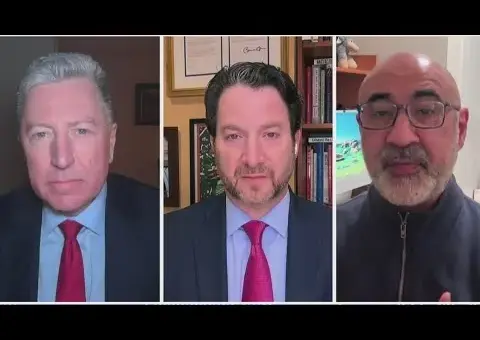
Rising tensions between the U.S. and Iran are creating a volatile geopolitical situation. With conflicting signals on de-escalation and potential shifts in alliances like NATO and U.S.-Israel relations, the path forward remains uncertain. The global economy and regional stability hang in the balance.


Iran Targets US With Cyberattacks, Escalating Digital Warfare
Iran is increasingly using cyberattacks to challenge the U.S., as seen in a recent hack of the FBI director's account. Experts say this is a strategic shift due to Iran's limitations in conventional warfare. The U.S. needs to strengthen its digital defenses, focusing on encryption and cloud computing, rather than solely relying on traditional security measures.