Putin’s Russia: 25 Years of Propaganda and Paranoia
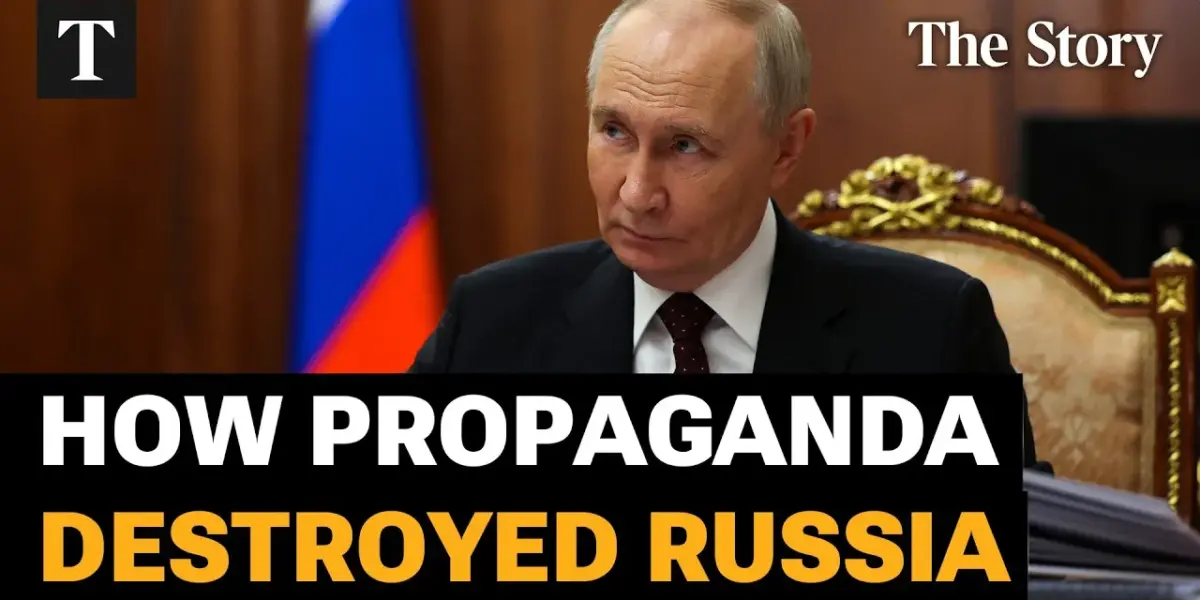
For 25 years, Mark Bennett lived in Russia, witnessing its transformation under Vladimir Putin. His firsthand account details the rise of state propaganda, the erosion of truth, and how a nation seemingly sleepwalked into conflict, influenced by a narrative of Western hostility and Russian destiny.

Putin’s Russia: 25 Years of Propaganda and Paranoia
For 25 years, Mark Bennett lived and worked in Russia, witnessing firsthand the profound changes that transformed the nation under Vladimir Putin’s leadership. From a country where freedoms were expanding to one increasingly isolated and controlled by state propaganda, Bennett, a former Moscow correspondent for The Times, shares his journey and insights in his new book, “The Descent.” His experiences offer a stark look at how Russian society has been reshaped, culminating in the current conflict with Ukraine.
Early Days: Hope and Chaos
Bennett first arrived in Russia in 1997, during the presidency of Boris Yeltsin. The country was in a state of chaos and economic hardship. Wages often went unpaid, with some workers receiving goods like fish instead of money. “The idol of communism… has collapsed,” Yeltsin declared, promising a new era. However, this period of newfound freedom was also marked by significant poverty. This instability made many Russians receptive to the idea of a strong leader, a “man from the KGB,” to restore order. This paved the way for Vladimir Putin’s rise to power in 2000.
Putin’s Ascent and Western Engagement
Initially, Putin was viewed with cautious optimism by many, both within Russia and abroad. Even those who would later become his opponents supported him, hoping for a brighter future. Western leaders, like U.S. President George W. Bush, expressed confidence in Putin, famously stating he could “see his soul” and that he was “a man we can do business with.” This period saw significant Western investment in Russia, particularly in the oil industry. However, even early on, cracks appeared. Independent media outlets began to be shut down, and human rights concerns were often overlooked in the pursuit of international business relations.
The Rise of Propaganda and Personality Cult
As the years progressed, Russian state media began a systematic campaign of propaganda. This intensified significantly after Russia’s annexation of Crimea in 2014. The media portrayed the West as a decadent and dangerous place, filled with moral decay and hostility towards Russia. Simultaneously, a cult of personality around Putin was built, casting him as Russia’s savior against a hostile world. “Putin was seen as this kind of like leader who’d saved Russia,” Bennett explained. “Russia is surrounded by enemies. The West hates us. The West is evil. Putin is your savior.”
The Hypnotic Effect of State Media
Bennett witnessed the profound impact of this propaganda firsthand through his mother-in-law. “My mother-in-law was one of these people who was hypnotized,” he recalled. The constant barrage of state-controlled media, from television and radio to newspapers, created a “trance-like state.” This narrative, which demonized the West and promoted Putin as a strong leader, began to poison personal relationships. Bennett found himself becoming the target of his mother-in-law’s newfound animosity towards the West. “It became increasingly difficult to have a normal conversation, and so eventually I just stopped,” he said.
Echoes of History and a Sense of Destiny
Putin’s narrative heavily emphasized a specific view of Russian history, particularly the Soviet victory in World War II. Victory Day, May 9th, transformed from a relatively low-key holiday into a quasi-religious event, symbolizing Russia’s strength and destiny. This concept of “victory” became an obsession, fueling a sense of national pride and a belief in Russia’s great destiny. Putin’s 2007 speech at the Munich Security Conference marked a turning point, where he openly accused the United States of global domination and demanded respect for Russia.
The Descent into War
Bennett’s departure from Russia in May 2022 was prompted by a new law criminalizing “fake news,” with penalties of up to 15 years in prison. The definition of fake news included anything not officially sanctioned by the Russian Ministry of Defense. “The news case security team thought I was going to be arrested, and it was time to leave,” he stated. He observed that before the full-scale invasion of Ukraine in February 2022, many Russians were unaware of or indifferent to the impending conflict. However, the state media’s messaging quickly shifted, convincing a significant portion of the population that the war was justified.
The Power of Propaganda and the Erosion of Truth
The propaganda surrounding the war in Ukraine was particularly extreme. Bennett cited a false story broadcast on Russian state media about Ukrainian troops crucifying a child. He also noted the pervasive narrative that Ukrainians were Nazis, despite the complexities of Ukraine’s political landscape. “Total fake news. Yeah, like 100%,” he said of the claims. He witnessed how people’s minds could be changed rapidly, with individuals who had previously dismissed the idea of war suddenly supporting it and adopting official justifications.
A Cocooned Leader and a Brainwashed Populace?
Bennett suggests that Putin himself became increasingly isolated and extreme, particularly during the COVID-19 pandemic. Locked away in his residence, his circle of advisors reportedly narrowed to hardliners who reinforced his existing views. One anecdote shared involved advisors discussing the possibility of Western nations wanting to relocate to Siberia after a supervolcano eruption. This isolation, coupled with a state media apparatus that mirrors and amplifies his worldview, may have led to a detachment from reality. “Power corrupts, but I think it also… drives you out of your mind, really,” Bennett commented.
Historical Apathy and the Future
The willingness of the Russian population to accept strong leadership and state control is rooted in centuries of history, according to Bennett. Many Russians have grown accustomed to a lack of agency, leading to a form of apathy where they feel powerless to enact change. “We don’t decide anything. How can I decide? It’s all decided in Moscow,” was a sentiment he encountered. While Bennett expresses sympathy for individuals whose minds have been damaged by propaganda, he admits that for those who fully embrace the state’s narrative, he has “no desire to have anything to do with them.” The path forward for Russia remains uncertain, with the long-term effects of propaganda and the current conflict likely to shape its future for years to come.
Source: How Putin Transformed Russia: A 25-year First-hand Account (YouTube)

Related Articles
Trump’s Iran War Panic Fuels Escalation Fears
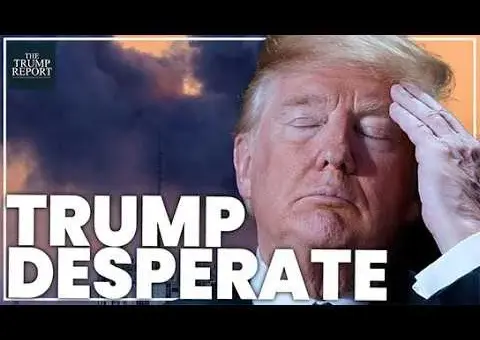
President Trump's aggressive rhetoric towards Iran signals desperation and a potential for massive escalation. Experts fear a breakdown in military-civilian communication and warn of a looming humanitarian catastrophe. A peaceful resolution seems distant as strategic options narrow.
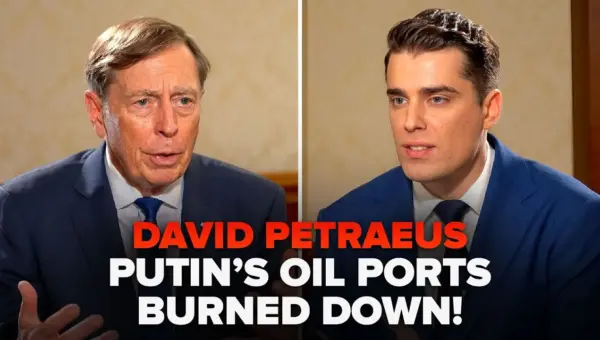
Ukraine Strikes Russian Oil Ports, Crippling Exports
Ukraine's targeted strikes on Russian oil export terminals are crippling its war machine and reducing vital revenue. Retired General David Petraeus highlights Ukraine's advanced drone technology and its growing role as a global defense innovator.
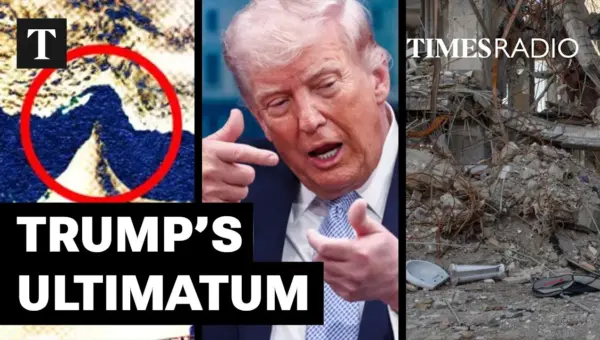
Trump Threatens Iran’s Infrastructure in Hormuz Standoff
President Trump has threatened to cripple Iran's infrastructure, including bridges and its power grid, if it continues to harass shipping in the Strait of Hormuz. Former Congressman Bob McEwen explained this strategy aims to force Iran to negotiate by severely damaging its operational capacity. The discussion also addressed the potential for such actions to be considered war crimes, with McEwen distinguishing between infrastructure attacks and the targeting of civilians.