Putin’s Kremlin Fears US Strikes Amidst Iran Crisis
Moscow is gripped by fear as US strikes on Iran escalate, with Kremlin insiders reportedly believing Russia could be the next target. The ongoing conflict in Ukraine is increasingly being blamed internally for Russia's weakened global standing and strategic vulnerabilities.

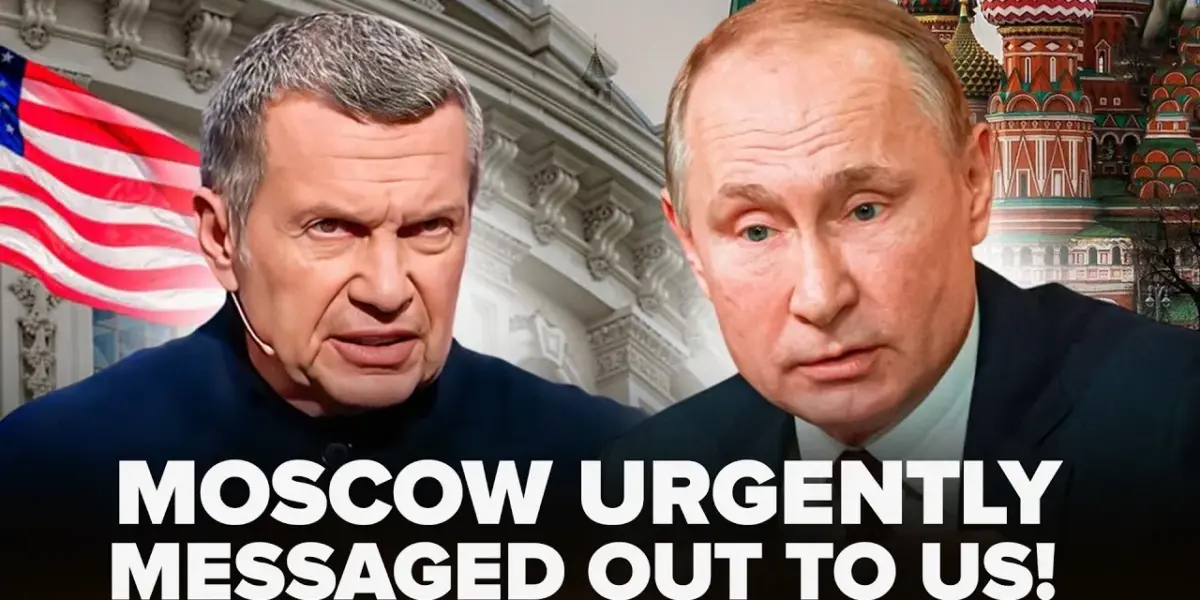
Kremlin Gripped by Fear as US Escalates Iran Operations
The Kremlin is reportedly in a state of heightened anxiety following a significant escalation of United States and Israeli military actions against Iran. The swift and decisive strikes, which have reportedly eliminated a substantial portion of Iran’s security leadership, including Ayatollah Ali Khamenei, are being viewed in Moscow not just as an attack on Tehran, but as a potential precursor to similar actions against Russia itself. This dramatic shift in the Middle East, described as the largest escalation in decades, has sent shockwaves through Moscow, exposing deep-seated fears within President Putin’s regime.
Echoes of Iran in Russian Fears
Analysis emerging from Russian media and broadcast channels suggests a pervasive sense of dread that the tactics employed against Iran will soon be mirrored in Russia. “When people talk about Iran, they’re also talking about Russia. The same treatment will be applied to us, and the strikes against Russia will be even harsher,” one widely discussed sentiment articulated the prevailing fear. The elimination of top military and political leadership, along with strikes on centers of decision-making, is seen as a clear pattern. This strategy, previously observed in conflicts involving Syria and Lebanon, is now perceived as a direct threat to Russia’s own stability.
“We understand that when people talk about Iran, they’re also talking about Russia. The same treatment will be applied to us, and the strikes against Russia will be even harsher. We’ll come back to this later. If not today, then another day if we’re still alive.”
The fear extends beyond direct military action. Russian state media has highlighted the ongoing economic strangulation of Iran, viewing it as a parallel to the economic pressures already being exerted on Russia. This dual approach – military and economic – is seen as a comprehensive strategy that could be tested against other nations, including China, before potentially being fully unleashed on Russia. The narrative emerging is stark: “Either we win or we will be wiped out, destroyed.” This existential framing underscores the perceived gravity of the situation for the Russian leadership.
Russia’s Shifting Alliances and Lost Influence
The crisis in Iran has exposed the fragility of Russia’s international partnerships. Once considered a key ally, Iran’s current predicament has forced a stark reevaluation in Moscow. Russian state media, which previously lauded Iran as a “brotherly regime,” has abruptly altered its rhetoric. This shift highlights a broader pattern of Russia’s diminishing influence on the global stage. Analysts point out that the United States appears to be systematically isolating Russia by targeting its key partners, including leaders in Syria and Venezuela, and now Iran.
In the span of just over a year, Putin has reportedly lost three significant allies without being able to offer substantive support. This has not only been a blow to Russia’s geopolitical standing but also an economic one, given the billions invested in Iran and its role in vital transport corridors, such as the North-South transport route. The collapse of this partnership is also seen as a blow to China, a key patron of the Kremlin, further complicating the geopolitical landscape for both nations.
Trump’s Strategy and the Ukraine War’s Shadow
The actions against Iran are strongly associated with the strategic approach attributed to former President Donald Trump. His “hard pressure” tactics, aimed at dismantling economic projects and isolating adversaries, are now being applied with renewed vigor. The narrative suggests that Trump is actively working to undermine China’s global economic initiatives, mirroring his past actions in Venezuela and across Latin America. This strategy, if successful, could significantly impact Chinese investments in various regions and challenge its status as a global economic powerhouse.
For Russia, the loss of Iran as an ally represents a significant strategic and economic setback. The disruption of the North-South transport corridor is a prime example of this impact. The Kremlin’s response to the escalating situation has been notably muted, with only brief expressions of condolence offered to Iran. This silence is interpreted as a sign of Moscow’s apprehension and its reluctance to provoke further action from Washington.
Internal Blame and the Ukraine Quagmire
Amidst the external pressures, internal dissent and blame-shifting are reportedly growing within Russia. The protracted and costly war in Ukraine is increasingly being cited as a major strategic blunder that has left Russia vulnerable and bogged down. For the first time, voices within Kremlin-aligned circles are openly questioning the decision to invade Ukraine, attributing the current global isolation and strategic disadvantages directly to President Putin’s “stupidity.”
“Russia is stuck in Ukraine, completely stuck. Our own government dragged us into this mess… It was his stupidity that dragged Russia deep into Ukraine and left it unable to stop losing influence around the world.”
This internal reckoning suggests a growing realization that the “special military operation” has not only failed to achieve its objectives but has also created a cascade of negative consequences for Russia. The focus on Ukraine has diverted resources and attention, leaving Russia ill-equipped to handle the current geopolitical challenges. The narrative that Russia “had to enter this war in order to survive” is being challenged by the growing acknowledgment that the conflict has become a quagmire, weakening Russia’s position on the world stage.
A New World Order and Uncertain Future
The current geopolitical climate, marked by aggressive actions in the Middle East and the ongoing conflict in Ukraine, signals a profound shift in global dynamics. The United States, under its current leadership, appears resolute in its objectives, with stated aims including the destruction of Iran’s missile capabilities, the annihilation of its navy, and the prevention of it obtaining nuclear weapons. The rhetoric employed, emphasizing strength and unyielding resolve, draws parallels to Russia’s own pronouncements regarding Ukraine, yet the underlying motivations and contexts are presented as fundamentally different.
As the situation in the Middle East continues to unfold, and the repercussions of the Ukraine war deepen, the world watches to see how Russia will navigate these turbulent waters. The fear of being “wiped out, destroyed” by a “predator” like America looms large. The potential for further escalation, even to the point of nuclear weapons, is a grim possibility that underscores the dangerous precipice upon which global security now rests. The coming weeks and months will be critical in determining whether diplomatic solutions can prevail or if the cycle of conflict and confrontation will continue to expand.
Source: 💥Putin urgently responded to the strikes on Iran! Moscow fears US actions: all the details (YouTube)

Related Articles
Russia’s Shrinking Leverage Sparks Moscow Panic
Russia's influence is rapidly diminishing as Europe sheds its dependence on Russian gas, leaving Moscow increasingly desperate. Ukraine's successful strikes within Russia and the global challenges in exporting Russian energy highlight the Kremlin's weakening position. Internal economic strain and potential for domestic unrest further expose Russia's vulnerabilities.
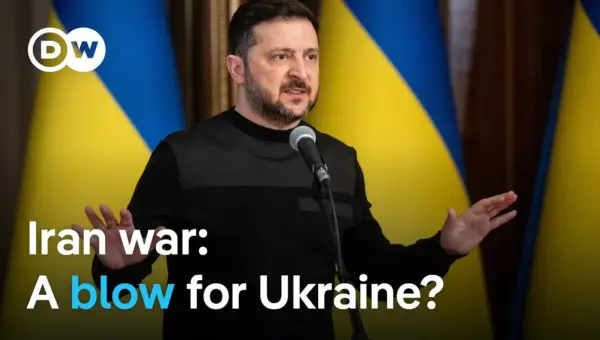
Iran War’s Ripple Effect: Ukraine Faces New Threats
The war involving Iran is creating significant new challenges for Ukraine, potentially bolstering Russia's economy through higher oil prices and straining Western military aid, particularly air defense interceptors. Ukraine faces a critical shortage of these vital munitions as global demand surges.
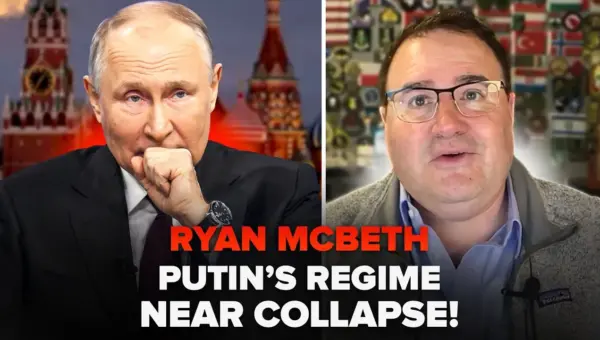
Russia Faces Internal Revolt Risk Amid Ukraine War Strain
US Army veteran and analyst Ryan Mugbat warns that Russia's protracted war in Ukraine could trigger internal rebellion due to economic strain and returning, disgruntled veterans. He details how military corruption and battlefield realities might lead to widespread unrest against Putin's regime. The analysis also covers evolving warfare tactics and geopolitical shifts.