Putin’s Grip Loosens: Elites Divided, Moscow Unsafe
Vladimir Putin's increasing absence from Moscow and heightened security measures signal deep-seated insecurity amid the Ukraine war and internal elite power struggles. The conflict appears to be fueling divisions within Russia's ruling class, with intelligence services reportedly gaining influence at the expense of military factions. This internal fragmentation, coupled with economic pressures and potential health concerns, paints a picture of a leader increasingly isolated and reliant on authoritarian tactics to maintain control.

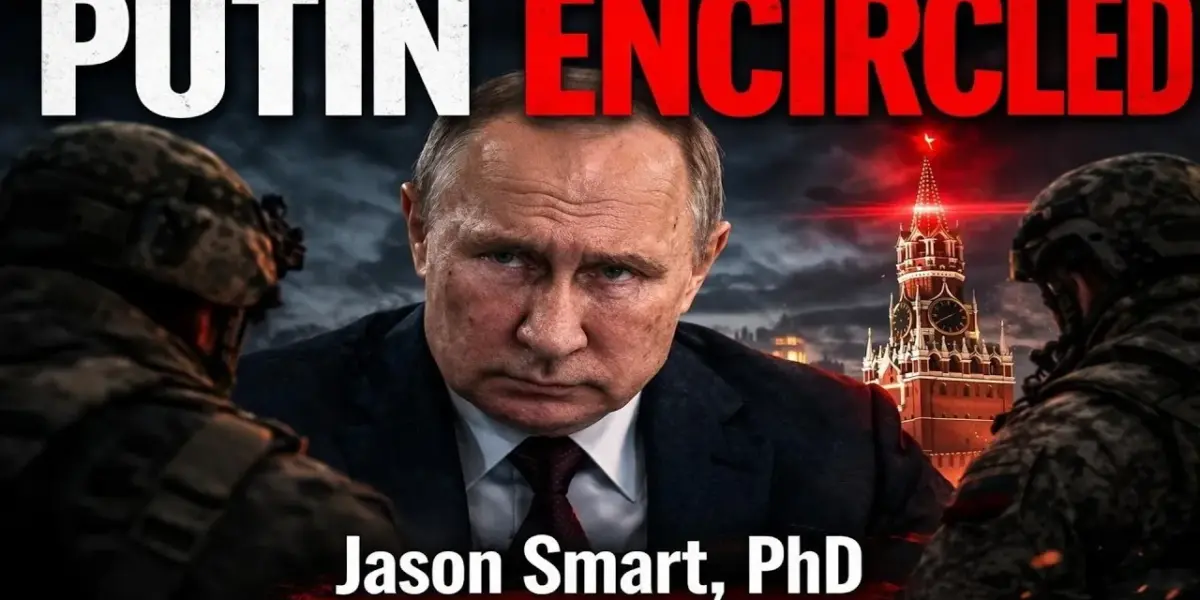
Putin’s Moscow Retreat Signals Deepening Insecurity Amidst War Strain
Recent observations suggest a significant shift in Vladimir Putin’s behavior, marked by an increasing reluctance to appear in Moscow and a heightened focus on personal security. This departure from his previous public persona indicates a growing sense of unease, potentially stemming from the protracted and increasingly challenging war in Ukraine, as well as internal political dynamics within Russia.
Internal Power Struggles Intensify
The conflict in Ukraine appears to have catalyzed a dangerous internal struggle among Russia’s elite factions. Sources indicate that Putin is allowing certain military clans, previously aligned with figures like former Defense Minister Shoigu, to be systematically dismantled. This purge is reportedly orchestrated by intelligence services, which are strategically positioning themselves to gain influence and control over Russia’s future leadership. This internal fracturing poses a direct threat to Putin’s authority, creating an environment where he may no longer feel secure even within the heart of his own country.
Erosion of Trust and Shifting Alliances
Historically, Putin’s regime has relied on concentrating wealth and power within the elite, thereby securing their loyalty. However, the ongoing war and its associated pressures seem to be eroding this foundation. Elites, particularly those from the military and industrial sectors, may no longer perceive Putin as capable of protecting their interests or ensuring their security. This disillusionment could lead to a reevaluation of their allegiance, potentially leaving Putin isolated and vulnerable to internal challenges.
Physical Security Measures Escalate
Putin’s personal security measures have reportedly become more stringent and visible. His reduced presence in Moscow and increased time spent in more remote, heavily fortified locations like Sochi suggest a tangible fear for his safety. The extensive security apparatus surrounding his residences, described as more restrictive than those for nuclear facilities, and the deployment of significant armored assets, point to a deep-seated concern about potential threats, including those from within.
Health Concerns and Leadership Vacuum
Speculation regarding Putin’s health has intensified, fueled by his altered public appearances, which some interpret as signs of physical decline. A perceived or actual weakening of the leader could create a power vacuum, encouraging ambitious factions within the elite to vie for control. This scenario mirrors historical precedents where a leader’s perceived frailty has triggered internal power struggles and accelerated regime instability.
Economic Pressures and Strategic Miscalculations
The economic repercussions of the war and international sanctions continue to weigh on Russia. Despite current high oil prices, revenue may not be sufficient to balance the budget, particularly given the need to fund extensive domestic security forces like the National Guard. Furthermore, the reliance on black market oil deals suggests a struggle to maintain economic stability. These financial pressures likely exacerbate internal elite divisions and potentially lead to poor strategic decisions on the battlefield, as resources are diverted to internal security rather than military operations.
The Specter of Stalinist Repression
In an effort to consolidate power and project strength, Putin may resort to increasingly authoritarian measures, drawing parallels to Stalinist tactics. The creation of external enemies, whether through fabricated drone attacks or historical narratives like World War II, serves to rally domestic support. However, a more concerning development is the potential for a widespread crackdown on the population, reminiscent of Stalin’s purges. Such actions, driven by a desire to instill fear and control, could further destabilize the regime and cripple the economy, even as they are perceived as necessary by a desperate leadership.
The War’s True Objective: Maintaining Power
The ongoing conflict in Ukraine may no longer be primarily about territorial gain. Instead, it appears to serve as a justification for Putin’s continued grip on power, allowing him to consolidate control domestically, eliminate rivals within the elite, and maintain a state of heightened alert. The internal divisions and the leader’s perceived vulnerability suggest a dangerous phase, where desperate measures could be employed to preserve his authority.
Strategic Implications
The internal instability within Russia, coupled with Putin’s heightened insecurity, presents a complex and potentially volatile situation. The division among elites, the potential for a crackdown on the populace, and the leader’s perceived desperation could lead to unpredictable actions. The continued support for Ukraine remains crucial, not only to achieve military objectives on the ground but also to influence the internal dynamics within Russia and potentially hasten a resolution to the conflict.
Source: Even Moscow Isn’t Safe Now (YouTube)

Related Articles
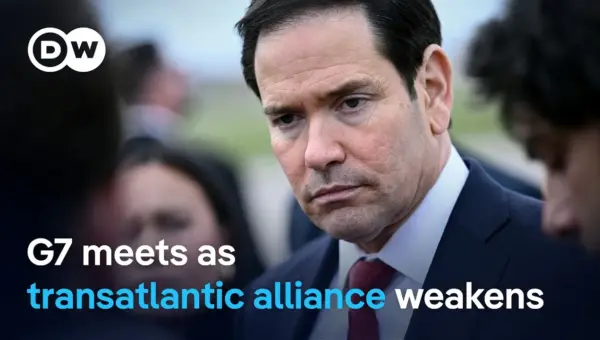
G7 Allies Clash Over Iran War Strategy, Urge Focus on Russia
G7 foreign ministers met in Paris, revealing deep divisions over the U.S. war with Iran. European allies urged the U.S. to pressure Russia, linking its actions to the conflict and fearing support for Ukraine will wane.
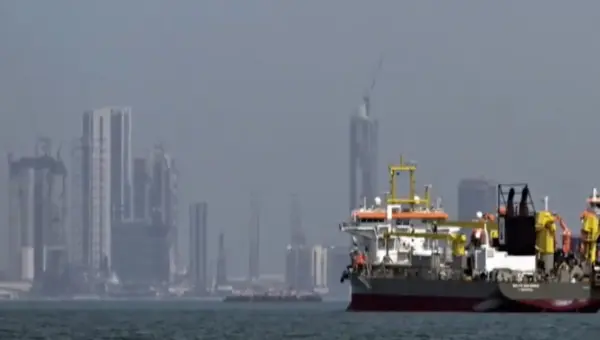
Iran Blocks China Ships, Exposing Beijing’s Weak Grip
Iran's recent decision to block Chinese ships at the Strait of Hormuz is exposing the limits of Beijing's influence in the Middle East. This action is causing delays and cancellations for Chinese manufacturers, turning a perceived geopolitical win into an economic strain.
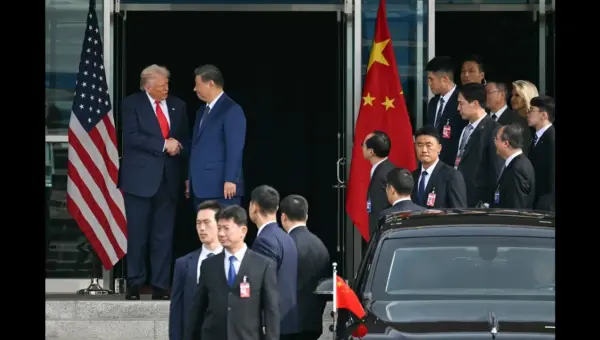
Trump’s “Walk Away” Tactic Signals Tougher Stance on China
Retired Air Force Brigadier General David Stillwell believes President Trump's strategy of being willing to walk away from negotiations puts pressure on China. This tactic, combined with US global actions and strengthened alliances, signals a more assertive American foreign policy.