Putin’s Ceasefire Gambit: A Bid for Control
Putin's Easter ceasefire proposal is seen as a bid to regain control of the war narrative amidst battlefield stagnation. Concerns rise over potential U.S. pressure on Ukraine for concessions, while NATO's future and Ukraine's security outlook remain uncertain.

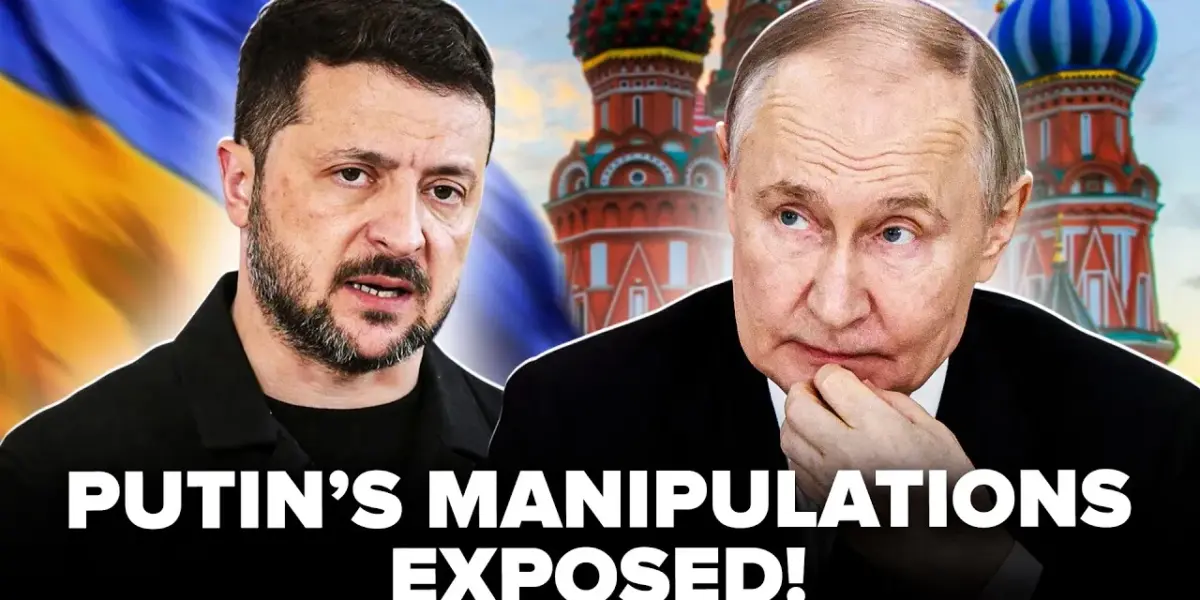
Putin’s Ceasefire Gambit: A Bid for Control
Russian President Vladimir Putin recently announced an Easter ceasefire, a move that appears to be a strategic attempt to regain control of the war narrative. This comes after Ukrainian President Volodymyr Zelensky publicly proposed a similar ceasefire just days earlier, a proposal that Moscow initially dismissed. The timing and nature of Putin’s announcement suggest a desire to project an image of leadership and initiative, rather than genuine de-escalation.
Peter Dickinson, a British journalist and editor of Ukraine Alert at the Atlantic Council, described the move as “very, very childish.” He noted that Russia’s quick reversal on the idea of an Easter ceasefire highlights concerns within the Kremlin that the war is slipping out of their control. By proposing the ceasefire himself, Putin aims to appear as the one dictating terms, not Zelensky. This plays into an effort to create an illusion that Russia and Putin personally remain in charge of the conflict.
Potential Political Maneuvering
The announcement also carries potential political implications, particularly concerning American audiences and former President Donald Trump. While the extent of Trump’s personal interest in religious matters is debatable, his large base of evangelical voters might view such a gesture favorably. However, Dickinson pointed out that these voters are likely aware that Zelensky proposed the ceasefire first, making Putin’s move seem like a reaction rather than a proactive peace effort.
The presence of Dmitry Peskov, Putin’s envoy, in the United States for meetings with individuals connected to Donald Trump has also raised questions. While some speculate this could bring the end of Russia’s war against Ukraine back to the international agenda, Dickinson suggests Peskov’s focus is more likely on specific commercial negotiations, particularly concerning oil and energy sanctions. These sanctions were temporarily relaxed due to the conflict in the Middle East, and Russia may be seeking to extend this pause or negotiate revised terms.
Shifting US Stance and European Concerns
Concerns are growing in European capitals regarding a potential shift in Washington’s approach to the war. Reports suggest that a Trump administration could pressure Kyiv into making territorial concessions to achieve a swift peace before upcoming elections. Trump’s agenda, according to Dickinson, is driven by a desire for the war to end and for Ukraine to be removed as an obstacle. For Trump, the conflict is not framed as a struggle between democracy and autocracy, but rather as an impediment to a potential alliance between America and Russia that serves his interests.
This perspective suggests that territorial concessions, even significant ones, would be acceptable to Trump if it facilitated his goals. The primary constraint on such actions appears to be the potential negative optics for Trump domestically, as overt alignment with Putin could be perceived as shameful by the American public, even if foreign policy is not their top priority.
Battlefield Realities and Manpower Challenges
On the front lines, Russia is reportedly not making significant progress. Despite claims of capturing villages, there have been no major Russian gains for a considerable period, indicating a bloody stalemate. Advances are measured in meters, not kilometers, with high daily casualty rates on both sides. Russia’s perceived advantage lies not in its offensive capabilities but in its willingness and capacity to sustain greater losses due to its larger population and economy.
The narrative Russia is pushing is one of attrition: surrender now, or be worn down over time due to Russia’s superior resources. However, Russia is also facing growing challenges with manpower. Reports indicate efforts to recruit volunteers from various segments of the population, including students and those with utility debts, suggesting that the strategy of offering financial incentives to volunteers may be becoming insufficient.
To achieve its objectives, Russia likely needs significantly more troops than its current estimated 700,000 to 800,000 in Ukraine. The high casualty rates necessitate a recruitment level far exceeding mere replacement. While Russia possesses vast human resources, the need to widen the recruitment net, even to those with debts or criminal accusations, indicates increasing pressure. However, Dickinson cautions against viewing this as a crisis point, as Russia has millions of potential recruits and societal protest remains minimal.
NATO’s Fragility and Ukraine’s Security Future
The discussion also touched upon the future of NATO and Ukraine’s potential membership. Reports of Donald Trump threatening to withdraw from NATO, stemming from perceived insufficient support from European allies, highlight the alliance’s vulnerability. While technically difficult for a U.S. president to withdraw, the threat of not upholding collective security commitments under Article 5 could effectively paralyze NATO.
European leaders, speaking privately, reportedly no longer rely on American commitments to collective security, viewing NATO as functionally weakened. In this context, Ukraine’s NATO membership is increasingly seen as unrealistic. Even if granted, it might not provide the security guarantees once expected, especially given NATO’s current fragile state and the uncertain U.S. position.
Dickinson argues that Ukraine should focus on strengthening its own military capabilities and exploring other security guarantee formats, such as bilateral agreements with individual nations. The possibility of Ukraine considering nuclear weapons for its own defense, a topic also raised, reflects the profound security uncertainties facing the region.
Source: ⚡️Putin’s EMERGENCY decree on “SVO”! Kremlin BEGS for a CEASEFIRE. Zelensky responded (YouTube)

Related Articles
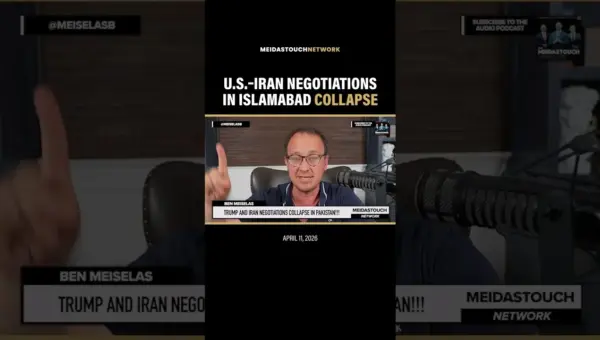
US-Iran Talks Collapse: War Looms After Summit Fails
US-Iran peace talks in Islamabad have collapsed after the Trump administration reportedly tried to change the negotiating framework. Senator JD Vance announced the breakdown, stating Iran refused U.S. demands, signaling a likely return to conflict. The failure occurred while President Trump attended a UFC match.
Robots Turn Tide: Ukraine’s Tech Edge Crushes Russian Forces
Ukraine's innovative use of ground robotics is fundamentally altering the nature of warfare, offering a strategic advantage over Russia. These machines are reducing casualties, enabling territorial gains, and paving the way for Ukraine's future economic strength.
Ukraine Warns of Retaliation; Russia Shifts Zaporizhzhia Focus
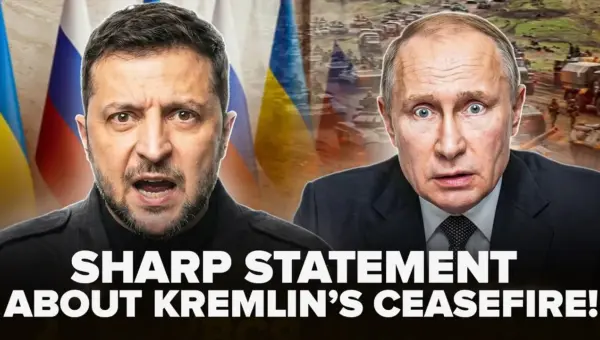
Ukraine has warned of a reciprocal response to any Easter ceasefire violations while Russia reportedly shifts its offensive focus to the Zaporizhzhia region. Meanwhile, the U.S. is considering extending sanctions relief on Russian oil, a move drawing criticism. Former President Trump endorsed Hungary's Viktor Orban amidst protests and elections.