Putin’s Allies Falter: Russia’s Global Influence Shrinks
Russia's international standing appears to be diminishing as key allies face internal turmoil or leadership changes, leaving Moscow unable to provide support. The recent events in Iran and the potential blockade of the Strait of Hormuz highlight the fragility of global alliances and energy security.

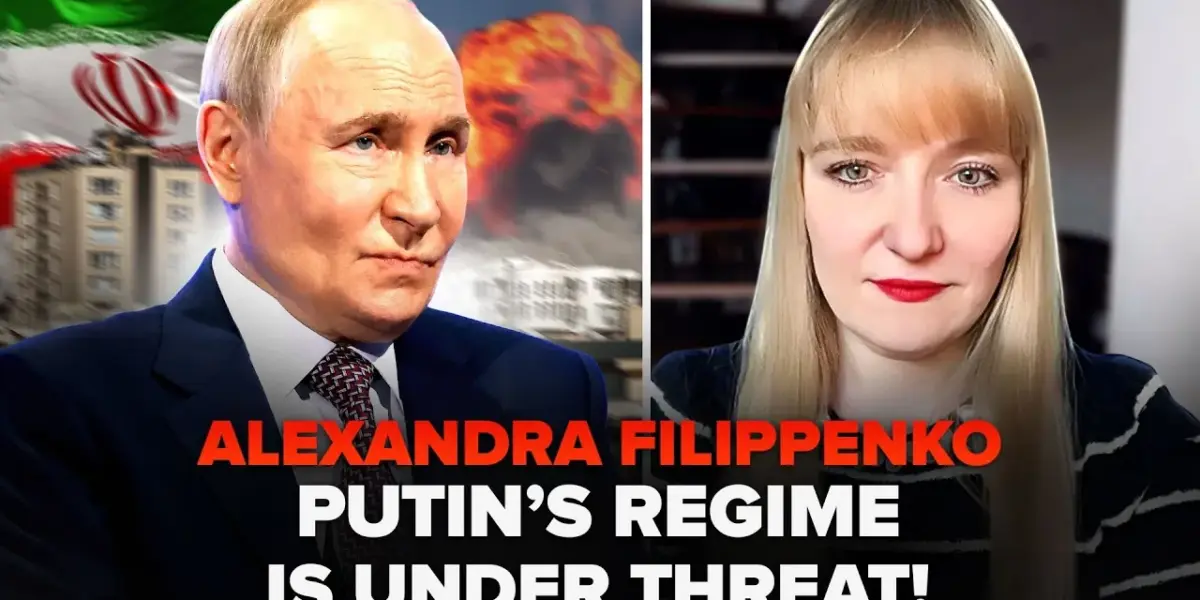
Russia Loses Key Allies Amid Shifting Global Alliances
In a significant geopolitical shift, Russian President Vladimir Putin has seen three of his key international allies — Syrian leader Bashar al-Assad, Venezuelan President Nicolas Maduro, and Iran’s Supreme Leader Ali Khamenei — falter or pass away within a little over a year, without receiving substantial support from Moscow. This series of events raises critical questions about the reliability of Russia as a strategic partner and signals a potential decline in the influence of authoritarian regimes globally.
Strategic Betrayals: Unreliable Partnerships Exposed
Political analyst Alexandra Filipena of the European Leadership Network highlighted that Russia, and by extension the Kremlin, has failed to support its so-called strategic friends and allies. “With Iran as well as with Venezuela, Russia had strategic agreements. Meaning that if any military danger would come upon those countries, then Russia would help their allies… Nothing happened,” Filipena stated. This inaction underscores a perceived unreliability, even for nations often described as part of an ‘axis of evil.’ The situation echoes a sentiment expressed by U.S. Senator Marco Rubio, who noted that Russia’s hands appear tied and its attention diverted elsewhere, preventing it from offering aid to its allies.
Iran’s Leadership Vacuum and U.S. Policy
The recent death of Iran’s Supreme Leader Ali Khamenei, following a joint military operation attributed to Israel and the United States, has created a significant leadership vacuum. While U.S. Secretary of State Antony Blinken has officially stated that the United States did not carry out the strike and is not seeking regime change in Iran, former President Donald Trump has indicated that the operation will continue with strong goals. “The goals of the United States are strong and the operation will continue,” Trump stated. He also outlined a potential path forward, suggesting options for leadership change in Iran, though acknowledging the difficulty for an unarmed opposition to seize power given the regime’s entrenched support base.
Strait of Hormuz Blockade: A Critical Economic Chokepoint
The recent threats to close the Strait of Hormuz, a vital artery for global oil transport, have amplified concerns about international energy security. This narrow waterway accounts for approximately one-fifth to one-quarter of the world’s oil supply. While Iran’s Revolutionary Guard initially announced a closure, subsequent attacks on vessels, even during periods of supposed openness, have created significant disruption and fear. Filipena noted that while unofficial channels suggest Chinese and Russian vessels might still be permitted passage, any restriction on global traffic through the Strait poses a substantial threat to oil supply chains. This situation presents a complex scenario for Russia, which may hope for rising oil prices, but current market conditions have not met Kremlin expectations.
Geopolitical Ripple Effects: Impact on Ukraine Negotiations
The escalating tensions in the Middle East are indirectly impacting the negotiation track for the conflict in Ukraine. The potential for postponed or halted peace talks due to regional instability is a growing concern. Filipena pointed out that such crises can divert crucial military resources, potentially affecting weapon supplies to Ukraine. For instance, a heightened need for military hardware in the Middle East could lead allies like Saudi Arabia to prioritize their own security or seek arms from the U.S. at higher prices. However, she also suggested that regional powers are invested in ending the war in Ukraine for their own national security and economic stability, making a complete withdrawal of support unlikely unless the conflict significantly prolongs.
Russia’s Stance on Negotiations and Future Outlook
Despite the shifting global landscape and the apparent weakening of its alliances, Russia has shown little genuine willingness to negotiate seriously on ending the war in Ukraine. Filipena observed that Russia has historically only engaged seriously under significant pressure, potentially from key players like China. While the world’s attention may be temporarily diverted to events in the Middle East, Russia’s fundamental reluctance to de-escalate remains a primary obstacle. The ongoing diplomatic efforts, overshadowed by regional crises, continue to face the challenge of Moscow’s lack of commitment to a genuine ceasefire or peace process. The coming weeks will be crucial in observing how these complex geopolitical dynamics unfold and whether they will ultimately compel Russia to alter its course.
Source: 😱Putin is losing allies! Kremlin regime doesn’t have long left. Russia can’t hold on much longer (YouTube)

Related Articles


Trump Blasts Allies in Oval Office, Allies Seek Iran, Ukraine Support
President Donald Trump publicly criticized Spain and the UK during a meeting with German Chancellor Angela Merkel, while Merkel sought progress on Iran, Ukraine, and trade. The encounter highlighted unresolved tensions on defense spending and tariffs, leaving key issues uncertain.

Russia Warns of WWIII as US Prepares Iran Strikes
Russia has issued a stark warning of potential World War III amid escalating U.S.-Iran tensions. Meanwhile, the United States is reportedly preparing for a significant escalation of strikes against Iran, aiming to degrade its military capabilities. Diplomatic efforts are underway as regional powers seek de-escalation.
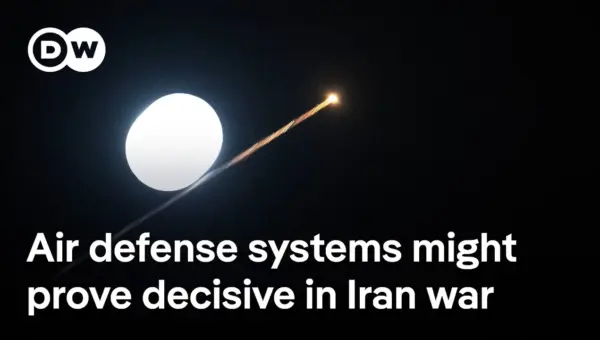
Iran War: Air Defense Stockpiles Dictate Conflict Length
The duration of the conflict involving Iran hinges on a critical race between its missile and drone capabilities and the defensive stockpiles of its adversaries. With advanced air defense systems proving costly to operate, the ability to sustain interceptions against a continuous barrage of Iranian attacks is a key factor. Experts suggest that the depletion of weapon reserves on both sides could dictate the war's length and potentially impact the stability of the Iranian regime.