Putin Vanishes Amidst Growing Russian Woes
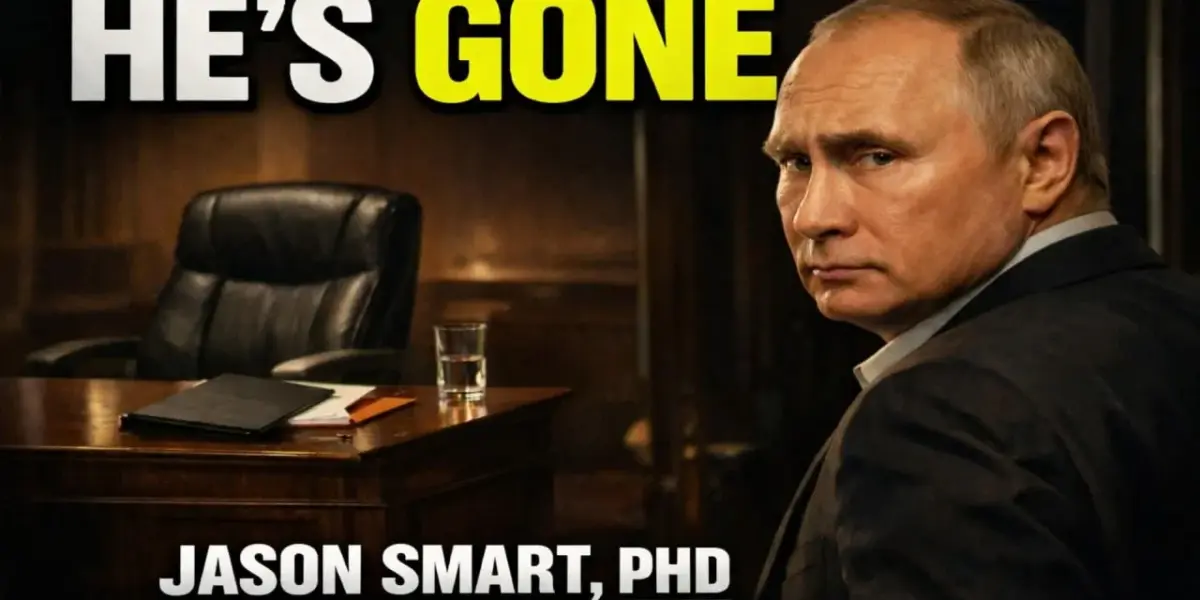
Vladimir Putin has been out of public view since March 9th, amid growing economic problems, internal elite conflicts, and drone strikes within Russia. His absence fuels speculation about his security and control. This period of uncertainty coincides with significant challenges to Russia's war effort and internal stability.

Putin Vanishes Amidst Growing Russian Woes
Vladimir Putin has not been seen publicly since March 9th, sparking widespread speculation and concern within Russia. This disappearance comes as the nation faces mounting economic hardship, internal elite power struggles, and increasing drone attacks on its territory. The leader’s absence heightens anxieties about security and stability within the Kremlin itself.
Economic Strain and Social Unrest
Across Russia, citizens are grappling with worsening economic conditions. Reports indicate widespread struggles to make ends meet, with even basic services like internet access in Moscow reportedly failing. This economic pressure is fueling social tensions, further straining the nation’s stability.
Foreign War Becomes a Liability
The foreign war initiated by Putin has transformed into a significant liability for the Kremlin. Russia is increasingly facing drone strikes on its own soil, including attacks on Moscow. The country appears unprepared for this level of domestic vulnerability, adding another layer of crisis.
Internal Power Struggles Intensify
Within the highest echelons of power in Moscow, a fierce internal conflict is unfolding. Old elites are reportedly battling each other, deciding who will maintain influence and who will fall. This infighting is described as intense and rapid, with security forces visible around the Kremlin, seemingly in place to protect the regime itself.
Where is the Leader?
Amidst these compounding crises, the question echoing through Moscow and beyond is: where is Vladimir Putin? The leader of Russia has not been publicly visible for an extended period. His absence has led to increased security measures, including extensive searches of Moscow’s sewers by Russian secret service and national guard. This heightened alert suggests deep fears of sabotage, terrorism, or even assassination attempts.
A Pattern of Paranoia
Dr. Jason Smart, a national security advisor and special correspondent, notes that Putin’s behavior suggests a deep-seated paranoia. Putin has long avoided air travel and maintains distance during personal meetings, often sitting at very long tables. These measures are attributed to fears of assassination, poisoning, and aerial attacks. He is also known to be extremely cautious about technology, reportedly avoiding cell phones, computers, and even television, preferring to remain disconnected from digital networks due to concerns about their potential to compromise his security.
Erosion of Trust in Allies
Putin’s confidence in his key allies appears to have eroded significantly. His long-time associate, Defense Minister Sergei Shoigu, is seen as having failed him, particularly during the Wagner Group’s brief uprising. Similarly, Chechen leader Ramzan Kadyrov’s forces, historically seen as a loyal Praetorian Guard, did not intervene during the crisis, citing traffic issues. This perceived lack of loyalty from those closest to him likely fuels Putin’s current isolation and distrust.
Corruption and Stalled War Efforts
Compounding the issues, widespread corruption is reportedly rampant among the Russian elite. Even after Shoigu’s removal due to corruption, new officials are allegedly siphoning funds for personal gain. This self-interest means that the war in Ukraine is no longer a priority for many within the Kremlin. Instead of advancing military goals, the focus has shifted to personal enrichment, leaving Russian soldiers on the front lines neglected. This lack of focus suggests Ukraine may be poised to reclaim more territory.
Historical Parallels for Dictators
The current situation draws parallels to historical precedents for authoritarian leaders. The text likens Putin’s predicament to that of Muammar Gaddafi, who dismantled his weapons programs after witnessing Saddam Hussein’s fate. More strikingly, it draws comparisons to Joseph Stalin’s final days. Stalin, known for his brutal purges, reportedly lay dying for hours while his inner circle, fearing him, hesitated to call for medical help, instead waiting to seize power. The article suggests Putin faces a similar fate, where his eventual demise will likely be met not with mourning, but with opportunistic maneuvering by those who surround him.
Strategic Implications
Putin’s disappearance and the internal turmoil signal a potential weakening of Russian command and control. The focus on internal power struggles and corruption distracts from the war effort, potentially creating opportunities for Ukrainian advances. The erosion of trust among the elite suggests a fractured leadership, making decisive action on the battlefield less likely. This internal instability could lead to a broader collapse of Russian resolve or operational effectiveness. The situation highlights the vulnerability of authoritarian regimes when faced with internal dissent and external pressure, especially when economic hardship and military setbacks combine.
Source: Putin Has Disappeared (YouTube)

Related Articles
U.S. Iran Tensions Rise Amid Shifting Alliances
Rising tensions between the U.S. and Iran are creating a volatile geopolitical situation. With conflicting signals on de-escalation and potential shifts in alliances like NATO and U.S.-Israel relations, the path forward remains uncertain. The global economy and regional stability hang in the balance.

Iran Targets US With Cyberattacks, Escalating Digital Warfare
Iran is increasingly using cyberattacks to challenge the U.S., as seen in a recent hack of the FBI director's account. Experts say this is a strategic shift due to Iran's limitations in conventional warfare. The U.S. needs to strengthen its digital defenses, focusing on encryption and cloud computing, rather than solely relying on traditional security measures.
Ukraine Strikes Russian Oil Refinery, Eyes Iran Threat
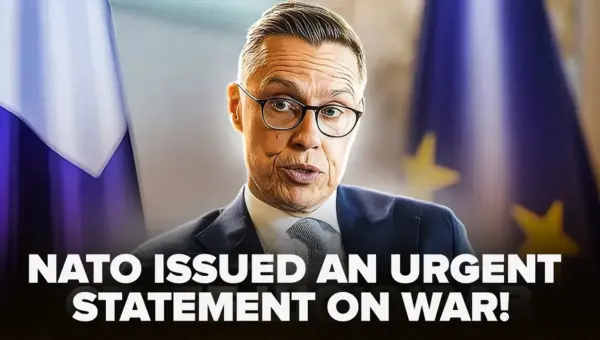
Ukrainian forces struck a key Russian oil refinery, disrupting Moscow's war capabilities. Meanwhile, Finland's president urged continued U.S. support for Ukraine, as Kyiv shares its air defense expertise globally amid growing geopolitical complexities involving Iran and potential sanctions against Hungary.