Putin, Trump Discuss War, Global Instability: Analyst Explains
Political analyst Alona dissects the recent phone call between Vladimir Putin and Donald Trump, exploring Russia's strategy of exaggerating battlefield successes and leveraging global instability. The discussion delves into the interconnectedness of the Ukraine and Iran conflicts, the economic impact of oil price volatility on Russia, and the evolving European security landscape, including the role of nuclear deterrence.

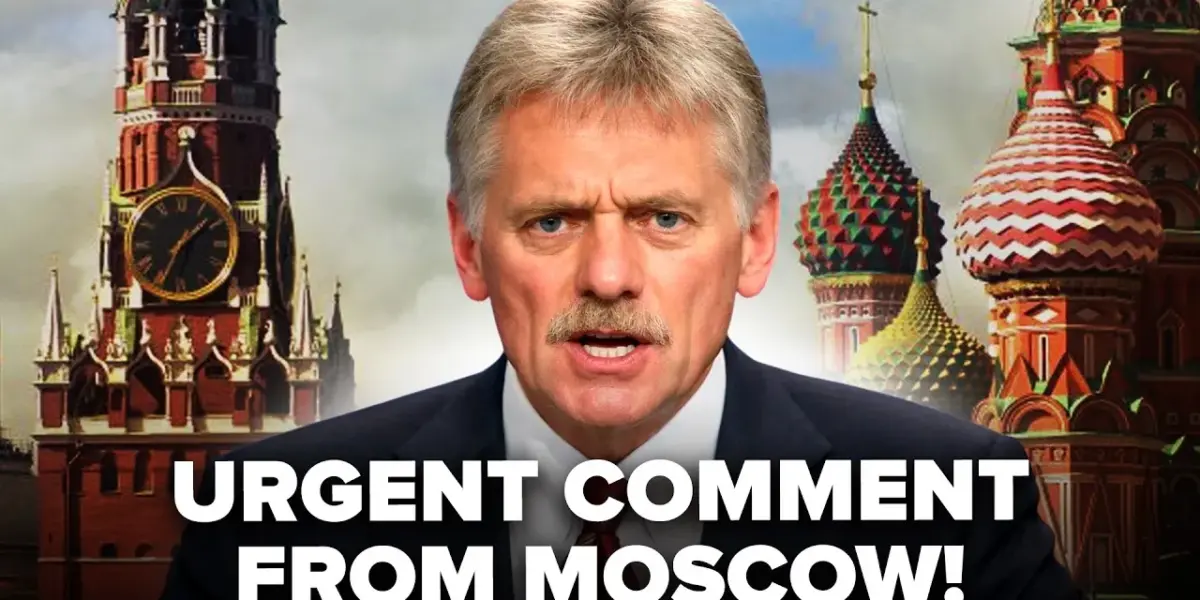
Putin and Trump Hold Key Call Amid Global Tensions
In a significant development, Russian President Vladimir Putin recently engaged in a phone call with former U.S. President Donald Trump, marking the first such high-level discussion of the year. The conversation, which touched upon the ongoing conflicts in Ukraine and Iran, has drawn considerable attention from political analysts seeking to understand the Kremlin’s strategic objectives and the potential implications for international relations. Political analyst Alona discussed the ramifications of this call, highlighting Russia’s persistent communication tactics and its efforts to leverage global instability.
Kremlin Exaggerates Successes, Targets Trump’s Perceptions
According to Yuri Ushakov, an aide to Vladimir Putin, the Russian leader informed Donald Trump during their call that Russian troops were advancing successfully in Ukraine. Ushakov emphasized that this information was intended to encourage Ukraine towards a negotiated settlement, a clear indication of Russia’s desire for concessions, particularly regarding the Donbas region. However, the Institute for the Study of War reports that Russia is known to exaggerate its battlefield successes, a tactic that has been a consistent feature of Kremlin communication strategies.
Alona noted that it is challenging to definitively ascertain Donald Trump’s mindset, but observations from the past year suggest that he tends to believe Russian claims quite unconditionally. “Russians of course as we know better than anyone that they like to exaggerate their gains, their wins, their potential on the battlefield in the diplomatic sphere,” Alona stated. She added that Russia’s ability to highlight its capacity for business deals is a primary attraction for Trump and his team, particularly in the context of normalizing relations with Russia.
This access to Trump and his advisors allows Russia to present a skewed version of events. Alona pointed out that despite Russia’s claims, it is Ukraine that has been gaining ground, partly due to technological advantages, such as Elon Musk’s decision to restrict Starlink access for Russian forces. Russia’s strategy, she explained, is to mirror Ukraine’s successes and present them as their own victories.
Iran Conflict: Russia’s Bid for Global Distraction and Resource Diversion
The discussion between Putin and Trump also encompassed the situation in Iran. Alona explained that Russia aims to use the conflict in the Middle East to achieve a significant distraction for the United States and Europe. “All of the attention of the world is now glued to Middle East to bombings in Iran in Lebanon in other neighboring countries of course the blockage of the harm straight the rise in oil prices all of that just completely withdrew the world’s attention from Ukraine,” she observed.
This shift in global attention has diverted crucial resources and military assets that Ukraine desperately needs for its defense. Weapons and aid being deployed to the Middle East are resources that could otherwise bolster Ukraine’s capabilities to protect its civilians and secure its airspace. “All of that just goes into Middle East without any deliberation, without saying that they’re emptying their stockpiles without accusing of taking advantage of the United States. All of that is being done voluntarily,” Alona commented.
Furthermore, Russia seeks to leverage the instability for diplomatic gains. Alona highlighted the close relationship between Russia and Iran, including Russia’s supply of ballistic missiles to Iran and Iran’s provision of drones to Russia, which have been adapted into more potent versions of Russian drones. Russia’s narrative aims to present itself as a potential mediator in the Iran conflict, a card it can play to influence discussions with Donald Trump, who has previously expressed strong opposition to the current Iranian regime.
Oil Price Volatility and Economic Implications for Russia
The recent surge in global oil prices, exceeding $100 per barrel for the first time since 2022, presents a complex economic landscape that could benefit Russia. Alona acknowledged the volatility of the oil market, noting that prices can react drastically to geopolitical statements, such as Trump’s suggestion that the Iran conflict would soon conclude, which led to a price drop. While the situation generally favors Russia, allowing it to capitalize on resource revenues, the potential lifting of sanctions on Russian oil remains a significant concern for Ukraine.
Western politicians are attempting to manage the rising energy prices, but the ongoing conflict in Iran could inadvertently provide Russia with the financial means to sustain its war effort in Ukraine. “Russia can start filling up their pockets and their wallets very quickly to continue this war in Ukraine,” Alona warned. She noted that despite previous efforts to cripple the Russian economy through sanctions, including secondary sanctions and stalled legislative efforts in the U.S., Russia’s military spending, now accounting for approximately 40% of its state budget, remains substantial.
Despite these challenges, Alona expressed a degree of optimism, suggesting that the current oil price spike might be temporary. “I do not think I would not predict as of now to stay at around $100 per barrel for very long,” she said, emphasizing the need for resilience and calm amidst the economic fluctuations.
Russia’s Negotiating Stance and Ukraine’s Position
Dmitry Peskov, a spokesperson for Vladimir Putin, has stated that Russia is interested in continuing negotiations on Ukraine in a trilateral format and is grateful for U.S. mediation. This comes amid reports that Russia might withdraw from negotiations if Ukraine does not pull back its troops from Donbas.
Alona critically analyzed Russia’s negotiating logic, stating, “They keep proclaiming their narratives that it’s Ukraine who’s the stubborn one and Russia would finish this war in a heartbeat if only they got their conditions met in this negotiation.” She emphasized the fundamental truth that Russia, as the aggressor, could cease hostilities at any time by simply stopping its military actions. “All they have to do to stop the war is to stop the war. Stop shooting and killing and firing missiles and drones every night at Ukrainian civilians,” she asserted.
Ukraine, Alona explained, must continue negotiations in good faith, acknowledging the United States as a mediator. However, she pointed to the complex relationship between the Trump administration and Russia, noting the personal rapport between Trump and Putin, and between key envoys like Steve Bannon and Dmitry Peskov. Despite these challenges, Alona stressed the importance of remaining open to dialogue to avoid accusations of scuttling peace efforts, while firmly defending Ukraine’s position and sacrifices.
She also countered Russia’s claims of military superiority, stating, “Russia who claims that it can win over Ukraine or occupy all of it or destroy the country if it only wants to is completely incapable of doing that. They have progressed very little in the last four years and Ukrainians will just keep pushing back.”
Russia’s War-Fighting Capabilities: Strengths and Weaknesses
Alona assessed Russia’s long-term capacity for attrition warfare, identifying its primary strength as a highly hierarchical power structure where dissent is suppressed and Putin’s decisions are unquestioned. “We can see absolutely zero opposition from the Russian people,” she observed, attributing this to the vastness of the country and recruitment strategies that target remote regions, often with populations lacking the resources or political awareness to resist mobilization. A significant disconnect exists between the realities faced by ordinary citizens and the experiences of those in major cities like Moscow and St. Petersburg.
The Russian state effectively controls its population through this authoritarian system. High salaries for conscripts and recruitment efforts in countries of the global South, including Nepal, Cuba, Africa, and North Korea, serve to bolster the Russian army. Crucially, Russia’s ability to sustain the war is heavily reliant on China’s support. “If it wasn’t for China, Russia would have not been able to continue this war for as long as it had,” Alona stated. China provides dual-use technology, assists in drone production, and facilitates knowledge exchange, enabling Russia to replenish its dwindling Soviet-era stockpiles with modern equipment.
Alona also noted the complex role of China, which supplies some dual-use technology to Ukraine as well. However, she argued that China’s primary objective is to disrupt Western unity and challenge the United States, thereby increasing its own global influence. This strategy, she suggested, is more about shaping a new international order than necessarily ensuring a Russian victory over Ukraine.
Shifting European Security and Nuclear Deterrence
The discussion turned to the evolving European security landscape, particularly in light of French President Emmanuel Macron’s announcement regarding the modernization and expansion of France’s nuclear arsenal. This move, aimed at strengthening deterrence amid doubts about the reliability of the U.S. nuclear umbrella, could reshape the European security architecture.
Alona emphasized the growing importance of autonomous nuclear capabilities, stating, “we’ve reached the point in history where nuclear weapons seems to be the only credible deterrent against aggressive actors with nuclear weapons such as Russia, China.” She highlighted the unreliability of the United States as a partner, citing past instances of wavering commitment and rhetoric that questions U.S. dedication to European security. The United Kingdom’s nuclear capabilities, while significant, are assigned to NATO and subject to U.S. approval, creating a potential vulnerability.
France’s decision to maintain autonomous nuclear capabilities, not tied to NATO, offers a distinct advantage. Alona suggested the possibility of expanding this French nuclear umbrella to a pan-European level, with other European states contributing to its funding and deployment. Countries like Poland have expressed strong interest in hosting nuclear weapons due to their position on NATO’s eastern flank.
The strategic ambiguity surrounding nuclear weapon numbers is crucial. Unlike the UK’s strategic nuclear weapons capable of massive destruction, France possesses tactical nuclear capabilities, which, while causing less damage, offer a stronger deterrent. This French approach is being offered to European states through burden-sharing and the development of a new European security architecture, likely to be strengthened with increased defense funding from the EU’s upcoming multi-year budget.
Reassessing Transatlantic Relations in a Changing World
The war in Iran has underscored the critical role of Europe in transatlantic military cooperation, highlighting the necessity of European bases and logistical hubs for U.S. military operations. Alona noted that while many in Washington recognize Europe’s indispensable role, this understanding may not extend to the highest levels of the U.S. administration, particularly in a potential Trump presidency.
Despite the prevailing “America First” sentiment, it is becoming increasingly clear that global operations cannot be conducted effectively without strong partners like the European Union. Alona acknowledged that the European leg of NATO has been weakened, with European nations having benefited from U.S. military support. However, she stressed that the time has come for Europe to rearm and take greater responsibility for its own security.
“This is not the time to kind of break up and have divorces. Yes, disagreements are there and rightly so. But as soon as every actor, every part of this disagreement gets their act together,” Alona concluded. She expressed hope that the U.S. will recognize its interdependence with Europe and that European nations will achieve greater autonomy and agency, ultimately strengthening the liberal democratic world order against rising authoritarianism.
The interview with Alona provided a comprehensive analysis of the complex geopolitical dynamics at play, from the direct communications between Putin and Trump to the broader implications for global security and the future of international alliances.
Source: ⚡️Peskov addressed Trump! He reacted immediately to the latest events. Kremlin regime is shaken (YouTube)

Related Articles
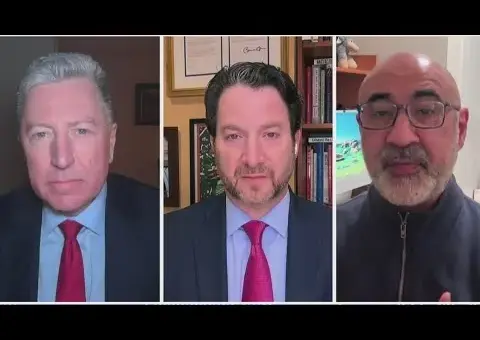
U.S. Iran Tensions Rise Amid Shifting Alliances
Rising tensions between the U.S. and Iran are creating a volatile geopolitical situation. With conflicting signals on de-escalation and potential shifts in alliances like NATO and U.S.-Israel relations, the path forward remains uncertain. The global economy and regional stability hang in the balance.

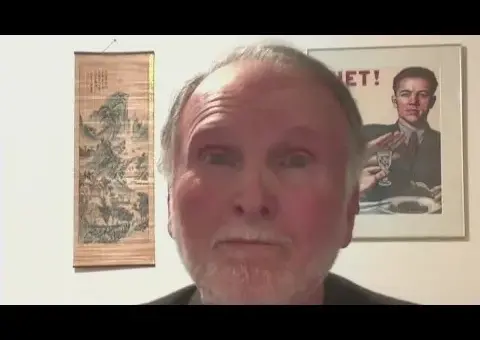
Iran Targets US With Cyberattacks, Escalating Digital Warfare
Iran is increasingly using cyberattacks to challenge the U.S., as seen in a recent hack of the FBI director's account. Experts say this is a strategic shift due to Iran's limitations in conventional warfare. The U.S. needs to strengthen its digital defenses, focusing on encryption and cloud computing, rather than solely relying on traditional security measures.
Ukraine Strikes Russian Oil Refinery, Eyes Iran Threat
Ukrainian forces struck a key Russian oil refinery, disrupting Moscow's war capabilities. Meanwhile, Finland's president urged continued U.S. support for Ukraine, as Kyiv shares its air defense expertise globally amid growing geopolitical complexities involving Iran and potential sanctions against Hungary.