Putin Threatens Gas Cutoff as EU Eyes Russian LNG Ban
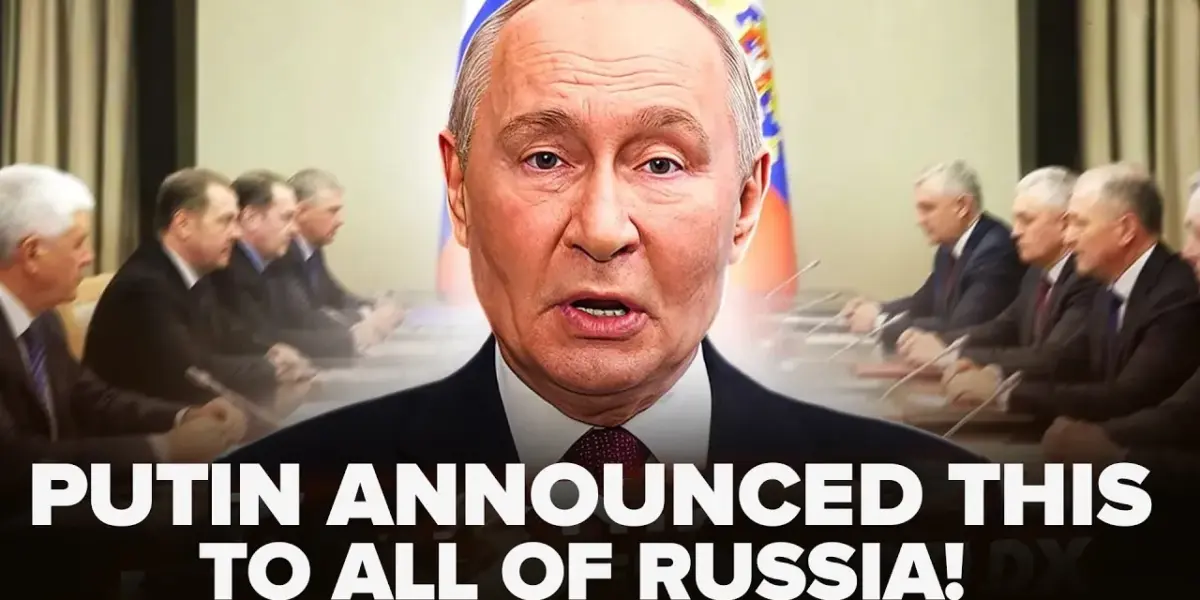
President Putin has threatened to cut off gas supplies to Europe, a move that follows increasing EU involvement in Middle East conflicts and upcoming bans on Russian LNG. Meanwhile, reports of an alleged Iranian drone strike in Azerbaijan have heightened regional tensions, though Iran denies involvement. Analysts suggest Russia is exploring new markets as Europe solidifies its energy policy.

Global Tensions Escalate Amidst Middle East Conflict and Energy Market Volatility
In a rapidly evolving geopolitical landscape, Russian President Vladimir Putin has issued a veiled threat to cut off gas supplies to Europe, a statement that has sent ripples through the continent’s energy sector. This development coincides with increased European involvement in the Middle East and heightened concerns over global energy security. Meanwhile, reports emerge of an Iranian drone strike in Azerbaijan, further complicating an already precarious international situation.
Iran Denies Involvement in Azerbaijan Drone Strike
Reports surfaced of an Iranian drone strike targeting an airport in Azerbaijan, with local residents sharing videos of the incident. However, Iran has officially denied any involvement in the attack. The alleged strike follows an earlier incident where Iran reportedly struck Turkey. In response to the escalating tensions, NATO Secretary General Jens Stoltenberg addressed the potential implications, stating that while Article 5 of the NATO treaty was not invoked, the alliance remains vigilant. “Our adversaries have seen yesterday that NATO is so strong and so vigilant,” Stoltenberg remarked, emphasizing NATO’s readiness in light of the situation in the Middle East.
Putin’s Gas Threat and Europe’s Shifting Energy Policy
President Putin’s remarks regarding potential gas supply cuts to Europe have cast a shadow over the continent’s energy future. Paradoxically, European gas prices saw a decrease following the threat. Analysts suggest that the current price fluctuations are not solely tied to direct supply restrictions but are influenced by a broader global market dynamic. Major gas suppliers, including Algeria, the United States, Norway, and Russia, have not significantly reduced their volumes. The surge in prices to approximately $700 was attributed to the general state of world markets, particularly oil and gas, exacerbated by events in the Middle East, including the closure of the Strait of Hormuz.
The transcript highlighted the potential for premium buyers in other markets to outbid European customers, a natural business consequence rather than a politically motivated move. “There is nothing here. There is no political background here. Only business and that’s it,” the analysis stated, attributing the situation to a long-term, erroneous policy by European authorities.
Russia Considers New Markets Amidst EU Restrictions
Russia is contemplating a strategic shift in its energy exports, with plans to impose restrictions on the purchase of Russian gas, including liquefied gas, by European nations starting in April and potentially escalating to a complete ban by 2027. In light of these impending EU restrictions, Moscow is exploring alternative markets. “And now other markets are opening and maybe it would be more profitable for us to stop supplies to the European market right now. Go to those markets that are opening and gain a foothold there,” the statement suggested, emphasizing that this consideration is driven by business logic rather than political motives.
Kremlin spokesperson Dmitry Peskov clarified that Putin’s statement was not a final decision but an instruction to the government and Russian companies to explore these new market opportunities. “Of course, our gas company is in contact with all representatives of the global gas market and they are clearly monitoring the situation and understanding where new premium markets are emerging,” Peskov said.
Reliable Partners and Shifting Gas Dynamics
Peskov reiterated Russia’s historical role as a reliable energy supplier and indicated a willingness to continue supplying energy resources to reliable partners, specifically mentioning Eastern European countries like Slovakia and Hungary, provided their leaders maintain a cooperative policy. “We will work in this mode with those of our partners who are themselves our reliable counterparties,” he stated.
Impact on European Fuel Prices and Russia’s Response
The volatile international situation, particularly events in the Middle East, has begun to affect fuel prices in Europe. In Germany, prices reportedly increased by nearly 13% in just four days. Russia, however, claims to have maintained stable fuel prices domestically, attributing this to an established system of price control involving the government and the Federal Antimonopoly Service. “The international situation associated with the war in Iran cannot and should not be the reason for any fluctuations in fuel prices in our country,” a statement from the Russian side asserted.
Ukraine’s Perspective: Russian Arms and Iranian Drones
From Ukraine’s perspective, the situation is viewed through the lens of its ongoing conflict with Russia. Ukrainian officials suggest that Russia is no longer acting as an ally to Iran, citing a lack of capacity due to its involvement in the war in Ukraine. However, there are strong suspicions that Russia continues to supply Iran with weapons, potentially including air defense systems and components for Shahed drones. “We are sure that the Russians are supplying weapons to the Iranian regime. We understand that they may provide electronics for the Shahed drones,” a Ukrainian source stated.
Ukraine has accused Iran of providing Russia with weapons used to kill Ukrainians. While concerns about direct weapon shipments from Iran to Russia have somewhat decreased due to the current geopolitical climate, Ukraine highlights that Iran has provided licenses for Russia to produce its own missiles and drones. Ukraine also expressed concerns about potential reductions in US air defense missile supplies, such as PAC-2 and PAC-3 for Patriot systems, due to increased US domestic and allied needs. Ukraine has offered its expertise to Middle Eastern countries and the US regarding Iranian drone threats and is open to exchanging technology or weapons, particularly in areas where they face shortages, like interceptor drones.
Reconstruction Efforts in Mariupol Under Scrutiny
Separately, reports from the temporarily occupied city of Mariupol paint a bleak picture of Russian reconstruction efforts. Four years after the start of the “special military operation,” observers note that purported rebuilding is largely superficial. While building facades may have been renovated, residents report that apartment doors remain sealed, and access to living spaces is unclear. In some instances, new playgrounds have been erected, but the overall impression is one of a city being rebuilt for show rather than for the genuine benefit of its inhabitants. The presence of graves in courtyards is also noted, underscoring the human cost of the conflict.
Looking Ahead
The coming weeks will be crucial in observing how European nations respond to Russia’s energy threats and their own impending bans on Russian LNG. The ongoing conflict in the Middle East and its impact on global energy markets will also be a key factor to monitor. Furthermore, the effectiveness and sincerity of reconstruction efforts in occupied Ukrainian territories will continue to be scrutinized by the international community.
Source: ⚡️Putin appeared on camera with a new statement! These words shocked EU. Kremlin is not hiding it (YouTube)

Related Articles

Trump’s Iran Gambit Unravels Amidst Global Backlash
Donald Trump's alleged invasion of Iran has sparked a cascade of negative consequences, from potential domestic attacks and rising gas prices to fractured alliances and deep internal divisions. The operation's unclear objectives and the human cost, including disturbing allegations of civilian casualties, are under intense scrutiny.
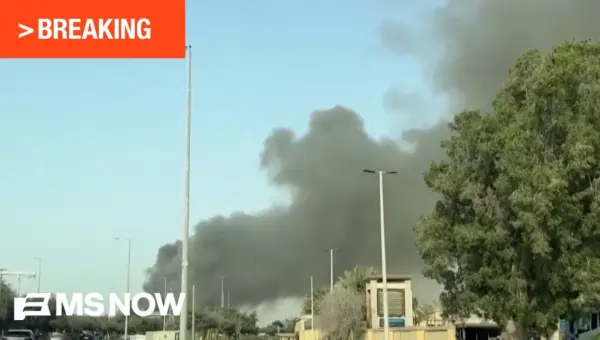
UAE Freezes Iranian Assets in Major Economic Blow
The United Arab Emirates has moved to freeze billions of dollars in Iranian assets, a decisive action that severely curtails Iran's economic lifeline. This move, prompted by Iran's missile and drone attacks on the UAE, signals a significant political and economic blow to Tehran and reflects growing regional unity against its aggression.

Putin’s War of Attrition Faces Five Crushing Realities
A prevailing narrative suggests Putin's inevitable victory in Ukraine through attrition, but a closer look reveals significant challenges. The drone-saturated battlefield, evolving geopolitical dynamics, weakening oil revenues, a fragile domestic economy, and the high cost of maintaining loyalty all undermine the Kremlin's 'outlast the West' strategy.