Putin Seeks Oligarch Funds Amid Drone Strikes
Russian President Vladimir Putin is reportedly appealing to oligarchs for war funds as Ukrainian drone strikes cripple export capacity. Geopolitical shifts have also eased economic pressure on Moscow, potentially prolonging the conflict.

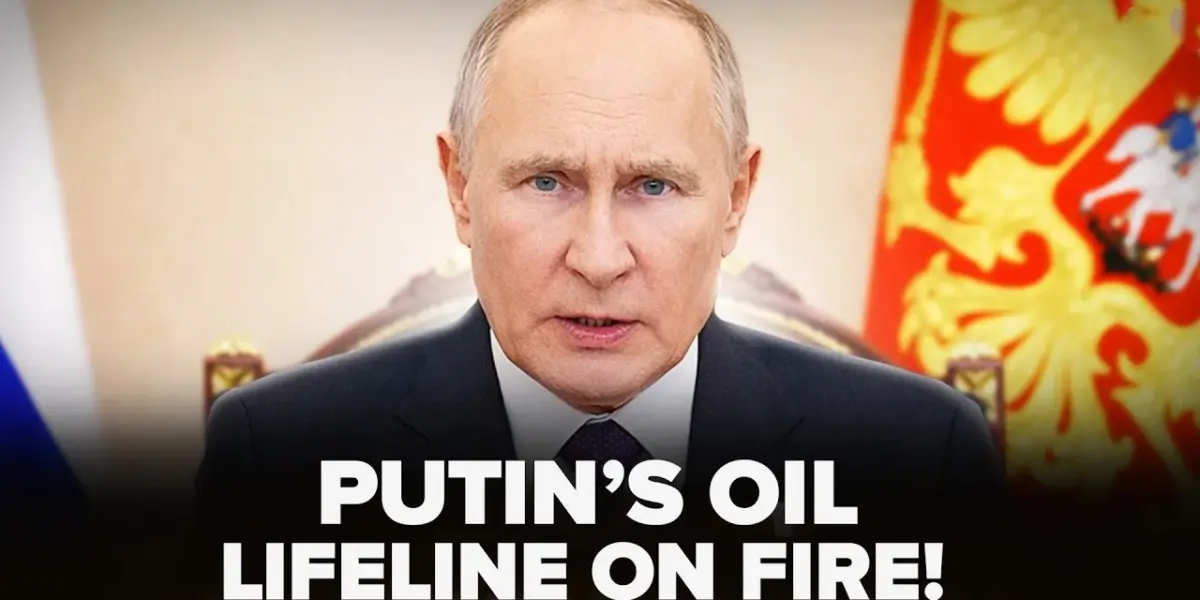
Putin Turns to Oligarchs for War Funds Amid Economic Strain
Russian President Vladimir Putin is reportedly asking wealthy oligarchs to contribute funds to support the ongoing war in Ukraine. This appeal comes as Russia’s national budget faces significant pressure. Sources familiar with the matter told the Financial Times that Putin urged these business leaders to make “voluntary contributions” during a closed-door meeting. The meeting also served as a signal that the Kremlin expects the conflict to continue for a long time.
This move highlights the growing financial strain on Russia. Military spending has increased sharply, while income from vital sectors like energy has become less predictable due to sanctions and changing global markets. Government officials are also planning to cut non-military spending to prioritize defense needs. At least one Russian billionaire, Suleiman Kerimov, has reportedly shown willingness to contribute a large sum, though details of any commitment remain unconfirmed. The Kremlin has not officially commented on the report.
Ukrainian Drone Strikes Cripple Russian Export Capacity
A significant factor contributing to Russia’s budget issues is the impact of Ukrainian drone attacks. These strikes have disrupted approximately 40% of Russia’s total export capacity. This figure reflects the combined effect of several incidents targeting Russia’s energy infrastructure, including oil refineries and storage sites. Some facilities have been forced to temporarily shut down for repairs, reducing their ability to process crude oil.
Further complications have arisen from disruptions to a major oil pipeline, which has slowed the movement of oil. Additionally, some oil tankers linked to Russian shipments have been seized or restricted, creating logistical challenges for delivering crude oil to international buyers. These combined factors have created widespread problems for Russia’s entire export network. The 40% figure represents capacity that is disrupted, delayed, or unavailable, rather than a direct drop in overall oil production.
Strategic Impact on Russia’s War Machine
Lieutenant General David Deptula, a retired U.S. Air Force officer, explained the strategic importance of these attacks. He stated that Ukraine’s strikes on Russian oil infrastructure are significant because they target the revenue source funding Russia’s war effort. Primorsk, a key Baltic export hub for crude oil and fuel products, was reportedly hit, causing a large fire and temporarily suspending tanker loadings.
Deptula noted that even short disruptions can cause economic costs and complicate logistics. More importantly, these attacks demonstrate that Russia’s energy infrastructure is vulnerable. He described these strikes not as random acts but as part of a deliberate Ukrainian strategy to degrade the infrastructure that finances Russian aggression. This effort aims to raise the cost of the war for Moscow, particularly in the crucial energy export sector.
From a broader geopolitical perspective, Ukraine’s actions also aim to counter Russia’s potential benefit from global oil price increases. If instability elsewhere, like in the Persian Gulf, pushes oil prices up, Russia often profits. By striking Russian export facilities, Ukraine seeks to deny Moscow some of this financial gain.
Geopolitical Shifts Bolster Russia’s War Sustainability
Recent geopolitical events may have inadvertently strengthened Russia’s ability to sustain its war in Ukraine. An analysis by The New York Times suggests that the outbreak of conflict involving Iran earlier this year has reshaped the economic and political environment around Russia’s invasion of Ukraine. This shift has reduced some of the pressures that were mounting on the Kremlin.
Before the conflict in the Middle East, Russia’s oil exports were sold at discounted prices, and the costs of the war and sanctions were weighing heavily on its economy. Credit conditions were tightening, businesses were under stress, and concerns about the sustainability of high military spending were growing. There were early indications that Putin might be considering ways to end the war.
However, the conflict in the Middle East disrupted global energy markets, leading to higher oil prices. This provided a financial boost to Russia as a major energy exporter. The increased oil revenue helped stabilize Russia’s finances in the short term and eased some immediate economic pressures. At the same time, the crisis in the Middle East diverted the attention of the United States and its allies away from Ukraine, potentially reducing the urgency for Western governments to push for a resolution to the war.
Reversal of Momentum for Peace Talks
These combined developments have altered the situation for Putin. Before the Middle East conflict, economic pressures might have encouraged negotiations. Afterward, improved revenues and reduced external pressure made it easier for Russia to continue its military campaign. The analysis describes this as a reversal of momentum, effectively undoing conditions that might have pushed Russia toward talks and giving Moscow more room to sustain the war.
The article also places these changes in a broader geopolitical context, noting that conflicts in different regions can have overlapping effects. The war in the Middle East, while indirect, has had significant consequences for the war in Ukraine. It has made the conflict more economically and politically manageable for Russia, increasing the likelihood that the war will continue.
Source: 😱Putin BEGS oligarchs for money! Kremlin’s budget ON EDGE @WorldatStake24 (YouTube)

Related Articles
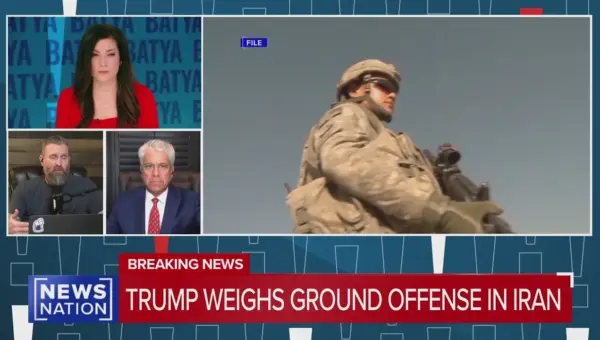
US Deploys Troops, Shakes Global Oil Markets
The U.S. has deployed 2,000 soldiers to the Middle East, aiming to establish a strategic base. This move, coupled with rising oil prices, creates market uncertainty and impacts everyday Americans. The veteran community holds mixed views, while the strategy also targets China's energy deals.

Iran Tightens Strait Grip Amid Escalating US Conflict
Iran is tightening its control over the Strait of Hormuz amid escalating attacks against U.S. forces and allies. Despite U.S. claims of ongoing negotiations, Iran denies talks and demonstrates its power by regulating ship passage. New fronts are opening, with Houthi rebels in Yemen striking Israel, further complicating the volatile regional conflict.


Zelenskyy: Russia Shares War Intel With Iran
Ukrainian President Volodymyr Zelenskyy revealed that Russia is allegedly sharing war intelligence, including satellite images of U.S. bases, with Iran. He also expressed deep concern over vital weapons intended for Ukraine potentially being diverted to the Middle East amid escalating regional tensions.