Putin Offers Easter Truce, But Will Fighting Truly Stop?
Russia announced an Orthodox Easter ceasefire, with Ukraine cautiously agreeing. However, past ceasefires have been marred by violations, raising doubts about the truce's effectiveness. The world watches to see if this holiday pause will bring genuine respite or further broken promises.

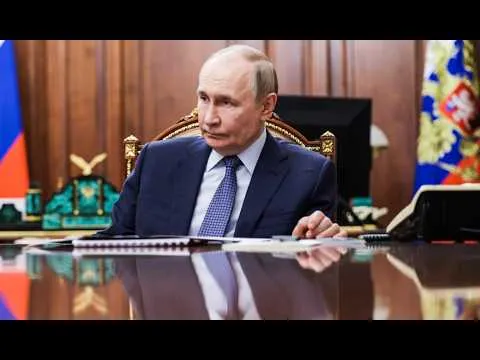
Putin Offers Easter Truce, But Will Fighting Truly Stop?
Russia has announced a temporary ceasefire in its war with Ukraine, timed to coincide with the Orthodox Easter holiday. The Kremlin stated that it expects Ukraine to also pause fighting through the weekend. This move, aimed at allowing for a peaceful observance of the religious holiday, brings a brief moment of potential calm to a conflict that has raged for months.
Ukrainian President Volodymyr Zelenskyy has indicated that Ukraine will respond in kind to the ceasefire. However, his response also carries a strong note of caution. History has shown that previous ceasefire agreements have been fragile, often broken by accusations of violations from both sides. This skepticism is understandable given the realities on the ground.
A History of Broken Promises
The effectiveness of such pauses in conflict is often undermined by a lack of trust. Ukraine has previously reported hundreds of alleged Russian breaches on the very first day of a supposed ceasefire. This pattern of violations makes it difficult for Ukraine to fully embrace the current announcement without reservations. The ongoing fighting, even as the pause is being declared, further fuels these concerns.
The announcement itself highlights the complex nature of the conflict. While a ceasefire offers a glimmer of hope for de-escalation, the immediate continuation of hostilities suggests that deep-seated issues remain unresolved. The Kremlin’s call for a pause is presented as a gesture of goodwill, but its sincerity is being questioned by many, given the ongoing military actions.
Why This Matters
This proposed ceasefire is significant for several reasons. Firstly, it touches upon the religious and cultural importance of Easter for millions in both Ukraine and Russia. A pause in fighting during such a sacred time could offer a moment of reflection and potentially ease some of the immense suffering experienced by civilians. It also presents a symbolic opportunity for both sides to demonstrate a willingness for peace, however temporary.
Secondly, the international community will be watching closely to see if this ceasefire holds. The response to this announcement, and the adherence to any agreed-upon pause, could influence diplomatic efforts and humanitarian aid initiatives. A successful ceasefire, even if short-lived, might build a small amount of trust needed for future, more substantial peace talks.
The Broader Context
The war in Ukraine, which began with Russia’s full-scale invasion in February 2022, has had devastating consequences. Millions have been displaced, thousands have lost their lives, and cities have been reduced to rubble. Numerous attempts at ceasefires and peace negotiations have failed to bring lasting resolution. Each such attempt, whether successful or not, provides valuable lessons about the challenges of ending such a complex and deeply entrenched conflict.
The Orthodox Easter holiday holds deep cultural and spiritual meaning for many in Eastern Europe. This period is typically marked by religious services, family gatherings, and a sense of renewal. The hope that this holiday might bring a brief respite from violence underscores the immense human cost of the ongoing war, where even sacred days are overshadowed by conflict.
Looking Ahead
The immediate future will reveal whether this Easter ceasefire is a genuine attempt at de-escalation or merely a strategic pause. Ukraine’s cautious agreement, coupled with continued fighting, suggests that a full cessation of hostilities is unlikely without more concrete guarantees. The world hopes for peace, but the reality of war often proves more stubborn.
The long-term implications depend heavily on the actions taken in the coming days. If the ceasefire is respected, it could pave the way for further dialogue. If it is violated, it will likely deepen mistrust and prolong the conflict. The coming hours and days are crucial in determining whether this Easter truce offers a true chance for peace or simply another brief, broken promise in a devastating war.
Source: Russia's Putin Announces Orthodox Easter Ceasefire, Ukraine's Zelenskyy Agrees (YouTube)

Related Articles

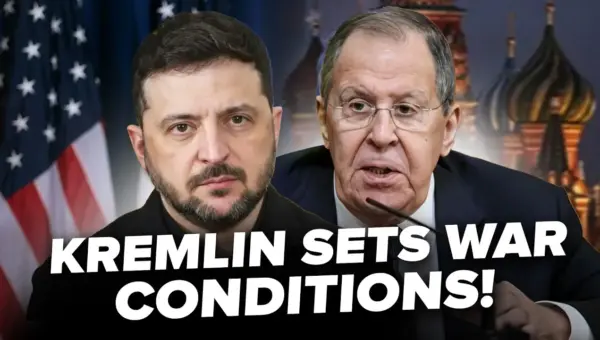
Ukraine Strikes Russian Energy Assets: A New War Tactic
Ukraine is escalating its attacks on Russian energy infrastructure, employing "kinetic sanctions" to pressure Moscow. This strategy aims to cripple Russia's war funding amid stalled peace talks and concerns over allied support.
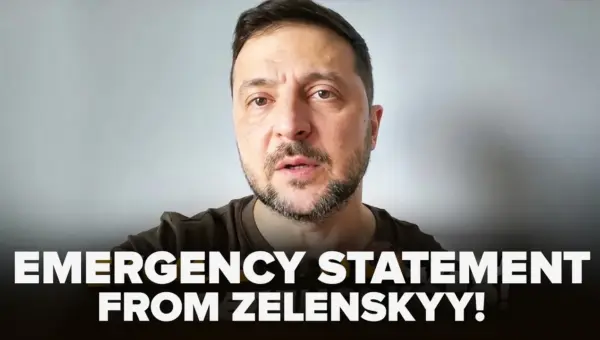
Ukraine Pushes for Easter Ceasefire, Offers Reciprocity
Ukraine has proposed an Easter ceasefire, contingent on Russia's reciprocal de-escalation. Kyiv emphasizes its commitment to prisoner exchanges and diplomatic efforts for security guarantees. The nation also prioritizes domestic energy security.


Trump Threatens Hormuz Blockade Amid Nuclear Talks Failure
President Trump has ordered an immediate U.S. naval blockade of the Strait of Hormuz following the failure of nuclear talks with Iran. Key disagreements over uranium enrichment and frozen assets, coupled with the ongoing conflict in Lebanon, have stalled diplomatic progress. Congressman Gregory Meeks criticized the move as "nonsensical" and called for renewed diplomatic efforts.