Putin Faces Internal Threats Amidst War Woes
Russia faces internal threats as the Ukraine war continues, with President Putin concerned about returning soldiers and the economic fallout impacting his inner circle. Meanwhile, Ukraine's military capabilities are growing, and global instability persists.

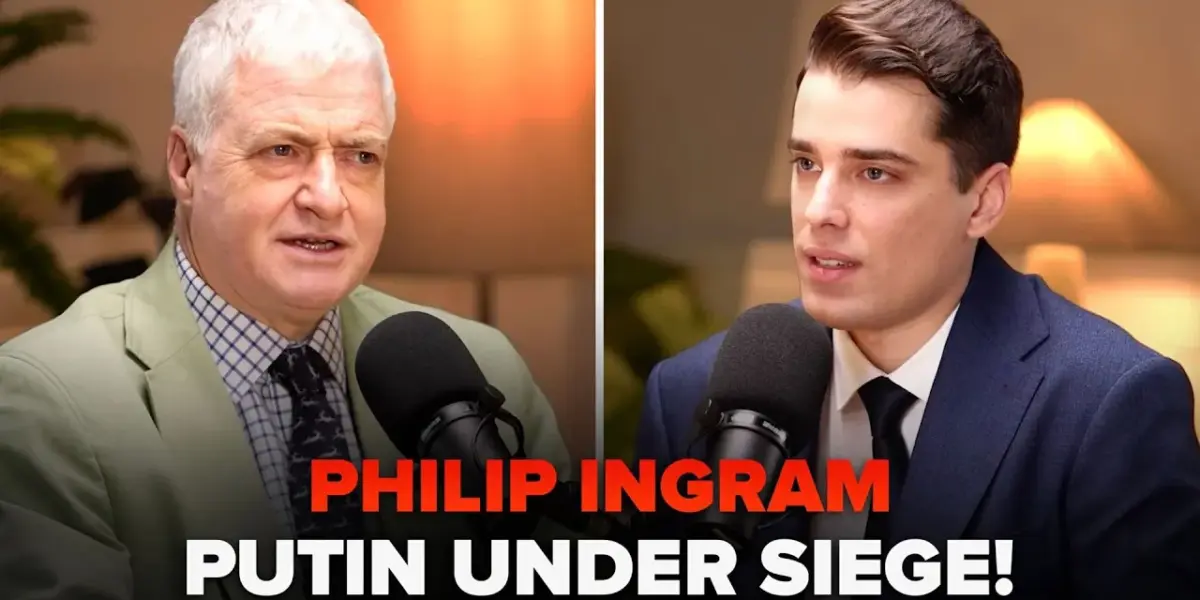
Putin Fears Internal Strife as Ukraine War Continues
The ongoing conflict in Ukraine presents a complex web of challenges for Russian President Vladimir Putin, extending beyond the battlefield. Concerns about internal stability and the potential for unrest loom large, fueled by the war’s economic toll and the return of battle-hardened soldiers to society.
Oligarchs Profit, But Fear the Peace
Putin’s inner circle, deeply invested in the war’s continuation for personal financial gain, fears a peace deal that could expose their corrupt practices. These oligarchs are reportedly making billions through military contracts and maintaining strategic relationships with countries like China, India, and Iran. For them, a return to normal economic activity would significantly diminish their illicit profits.
Returning Soldiers Pose Societal Risk
A significant concern for Putin and his advisors is the potential return of hundreds of thousands of soldiers from the front lines. Many of these individuals have experienced intense combat, potentially suffering from traumatic mental health issues. Without prospects for employment or reintegration into society, these veterans could pose a significant threat to social stability, leading to unrest in cities and towns.
“It’s much better to keep them on the front line and have them dying in numbers so that they’re not going back into their towns, villages and cities and causing real problems in society.”
Prigozhin’s March: A Glimpse of Internal Friction
The aborted march on Moscow by Yevgeny Prigozhin and the Wagner Group in June 2023 highlighted the internal political dynamics and rivalries within Russia. Prigozhin’s actions, reportedly stemming from frustration over his perceived lack of influence and orders to withdraw from Bakhmut, revealed a clear struggle for power and resources among Russia’s elite.
Prigozhin’s gamble appears to have been a calculated attempt to pressure Putin, rather than a full-scale coup. He likely expected a phone call from Putin to de-escalate the situation. However, when this did not materialize, and his forces encountered little resistance, he found himself in an unexpected position, ultimately leading to a negotiated halt and his subsequent death in a plane crash.
Putin’s Isolated Perspective
Despite the mounting pressures, Putin appears to operate within an isolated bubble, receiving information curated to reinforce his worldview. Those who provide his intelligence are reportedly fearful of repercussions should the truth about their deception emerge. While he may receive external updates, he likely dismisses them as propaganda, reinforcing his belief that he remains in control.
The Unwinnable Endgame?
The fundamental challenge for Putin lies in finding a “safe endgame” to the war without losing power. Ending the conflict would mean the collapse of the war-focused economic structures benefiting his inner circle. Furthermore, reintegrating the vast number of combat-experienced, potentially disgruntled soldiers into society presents a significant risk of widespread anger and instability.
Shifting Global Alliances and Russian Influence
Russia’s international standing has also been affected. The loss of influence in regions like Syria and Venezuela, coupled with actions like the seizure of Russian oil tankers by the U.S. Navy, signal a weakening global position. While Putin may downplay these developments, they represent a significant erosion of Russia’s geopolitical reach.
Ukraine’s Growing Military Prowess
In contrast, Ukraine is demonstrating increasing self-sufficiency in weapons production, now manufacturing an estimated 80% of its own armaments. The development of sophisticated long-range cruise and ballistic missiles, such as the FP9 Flamingo and FP7, surpasses existing Western systems in range and warhead capacity. Ukraine is also a global leader in drone technology and its innovative use in naval warfare, effectively neutralizing a significant portion of Russia’s Black Sea fleet.
The Iran Conflict: A Broader Geopolitical Picture
The ongoing conflict involving the U.S. and Iran, while distinct from the Ukraine war, adds another layer of global instability. The U.S. campaign aims to dismantle Iran’s command and control structures and its network of proxy forces. This strategy, characterized by a phased approach and ambiguity regarding ultimate objectives, seeks to weaken Iran’s regional influence and deter further aggression.
The involvement of allies like the UK and France in securing the Strait of Hormuz has been limited due to military readiness, political considerations, and a lack of prior consultation with the U.S. European nations face domestic political pressures and military limitations that hinder their ability to commit to such operations.
A World on Edge
The confluence of conflicts in Ukraine, the Middle East, and the potential for escalation in Southeast Asia paints a concerning picture of global instability. The current geopolitical climate, marked by unpredictability and the breakdown of established world order, raises fears of a wider global conflict. The actions of China, particularly concerning Taiwan, remain a critical factor to monitor in this evolving landscape.
The invasion of Ukraine by Russia in 2022 is seen by many as a pivotal moment that opened a “Pandora’s Box” of global instability. This event, combined with shifts in global power dynamics, has created a volatile environment where multiple flashpoints could potentially ignite a larger conflict.
Source: 💥Putin fears COUP in Kremlin! Soldiers to ignite CHAOS! Ticking time BOMB @WorldatStake24 (YouTube)

Related Articles

Iran War Escalates: Houthis Join Conflict as Civilians Suffer
The conflict involving Iran, the US, and Israel has escalated significantly in its fifth week, with Yemen's Houthi militia officially joining the war and launching missile attacks. Civilian populations in Iran and Lebanon are facing immense suffering, displacement, and destruction as attacks intensify across the region. Diplomatic talks are reportedly underway, but rising oil prices and divergent international goals cast a shadow over prospects for peace.

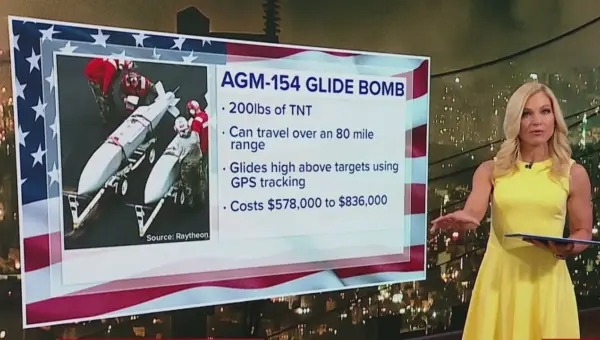
Iran War Costs Soar, Fueling Global Energy Price Hikes
The escalating war involving Iran, the U.S., and Israel has already cost over $11 billion, heavily impacting global energy markets. Missile strikes and drone warfare are driving up gas prices worldwide, with the Strait of Hormuz remaining a critical choke point.

Vance Fuels Fear: Nuclear Vest Claims Echo War-Mongering Tactics
Senator JD Vance's controversial "nuclear vest" claims about Iran are drawing sharp criticism, with many seeing echoes of past fear-mongering tactics used to justify war. The remarks raise questions about scientific feasibility and responsible communication of national security threats.