Putin Declares Easter Ceasefire; Ukraine Demands Reciprocity
Russia declared a unilateral Easter ceasefire, but Ukraine demanded reciprocity, emphasizing that any pause must be mutual. President Zelenskyy warned of catastrophic losses if Russia attempts to fully occupy Donbas. Meanwhile, Russia continues to patrol maritime routes and tighten internet controls, while the UK reinforces Middle Eastern defenses and tracks Russian submarine activity.

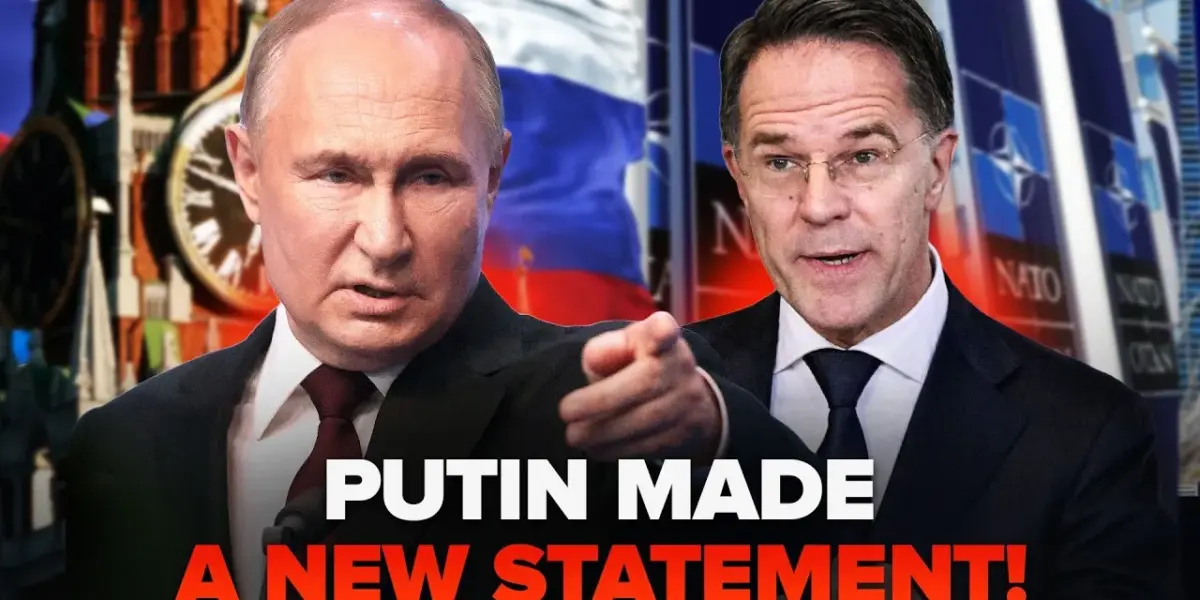
Putin Declares Easter Ceasefire; Ukraine Demands Reciprocity
Russian President Vladimir Putin announced a unilateral, 32-hour ceasefire for the Orthodox Easter holiday, a move met with caution and demands for genuine reciprocity from Kyiv. The Kremlin stated Russian forces would halt fighting from Friday afternoon until Sunday evening. However, they were also ordered to remain ready to respond to alleged “provocations,” a stipulation that Ukraine and Western observers view as a potential loophole to resume hostilities. This announcement follows repeated Ukrainian proposals for holiday ceasefires, emphasizing that any pause in fighting must be mutual.
Ukraine’s Cautious Response
Ukrainian President Volodymyr Zelenskyy responded carefully to the announcement. He reiterated Ukraine’s willingness to observe a ceasefire during the holidays, stating, “Ukraine has repeatedly said, ‘We are ready for mirror steps.’ We proposed a ceasefire during the Easter holidays this year and will act accordingly.” Zelenskyy stressed the population’s desire for an Easter free from threats and a genuine move toward peace. He suggested Russia has an opportunity to avoid returning to combat operations even after the holiday period concludes.
Naval Posturing and Economic Interests
In parallel, Russia signaled its intent to protect its maritime economic interests. This comes after reports from British media detailing a Russian warship, the frigate Admiral Grigorovich, escorting two oil tankers through the English Channel. A British naval ship reportedly observed the escort but did not intervene. Moscow framed this action as a response to alleged “piracy” in international waters. Analysts suggest this represents a normalization of Russian military presence around commercial shipping lanes, with Moscow openly indicating a willingness to use force to safeguard its economic flows.
“In recent months, we have witnessed repeated cases of piracy in international waters. These acts of piracy have caused damage, including to the economic interests of the Russian Federation. The Russian Federation considers itself entitled and will certainly take measures to protect its interests.”
Kremlin Dismisses Western Concerns
The Kremlin also addressed Western concerns regarding potential Russian threats, dismissing them as “groundless.” This familiar pattern of response involves denial, narrative reversal, and the suggestion that opposition itself is the source of the problem. Russian officials stated that Russia poses no threat to countries not actively opposing it or seeking to harm Russian-speaking populations. They expressed a desire for mutually beneficial relations, particularly with European nations, while noting a current refusal of contacts from the other side.
Zelenskyy Warns of Catastrophic Losses in Donbas
President Zelenskyy warned of potentially catastrophic losses if Russia attempts a full occupation of Ukraine’s Donbas region. He estimated potential casualties ranging from 300,000 to 1 million troops, describing such a cost as extreme even for President Putin. Zelenskyy argued that Moscow understands it cannot fully conquer Ukraine but is using diplomatic pressure and misleading signals to international partners to frame the conflict as a victory. He believes Russia is already experiencing heavy losses and lacks sufficient trained forces, leading to increased reliance on diplomatic maneuvers, especially involving the United States.
Strategic Importance of Donbas and National Unity
Zelenskyy emphasized that any Ukrainian withdrawal from Donbas would fracture national unity and invite a renewed large-scale Russian offensive. He cautioned that even a frozen conflict would allow Russia time to regroup, mobilize, expand its military industry, and seek sanctions relief. The Ukrainian president asserted that Donbas is merely a strategic stepping stone within a broader Russian ambition, not the final objective. He highlighted Russia’s refusal to agree to a leader-level meeting to discuss territories or to allow American and European troops along the line of contact, suggesting this reveals a deeper expansionist agenda.
NATO Transformation and Russia-Iran Cooperation
NATO Secretary General Jens Stoltenberg described the alliance as undergoing a serious transformation, moving from “unhealthy codependence” to a partnership based on shared responsibility. He acknowledged that European nations are taking on a greater role in their own conventional defense. Stoltenberg also noted deepening cooperation between Russia and Iran, particularly in military technology. He cited shared efforts in drone technology and other military advancements, with Russia providing financial support to Iran, which he characterized as a major exporter of “chaos” in the Middle East. Concerns were raised about Iran’s progress in ballistic missile and nuclear capabilities.
Attacks on Infrastructure and Civilian Areas
Despite the ceasefire announcement, Russian forces carried out drone attacks on Ukraine’s Sumy region, injuring two people and damaging a residential building. In Odessa, port and energy infrastructure were targeted, causing power disruptions and damage to facilities. These attacks occurred as Russia announced its temporary Easter ceasefire. Separately, Hungary’s upcoming elections are being closely watched by EU officials, who hope for a shift in policy after years of tension with Prime Minister Viktor Orbán’s government, particularly regarding its stance on Ukraine and its use of veto power within the EU.
UK Focus on Energy Stability and Russian Submarine Activity
British Prime Minister Keir Starmer expressed frustration over the volatility of energy prices, linking it to actions by leaders like Putin and Trump. He stressed the need for stability in the Middle East and the restoration of safe shipping routes. The UK government confirmed discussions with former President Trump on coordinated actions to ensure freedom of navigation and stabilize global energy markets. Meanwhile, UK Defense Secretary John Healey announced plans to supply hundreds of interceptor missiles and launchers to the Middle East to bolster air defenses. Healey also reaffirmed that the UK’s focus remains on Russia, highlighting efforts to track and deter Russian submarine activity near critical infrastructure. He warned that Russia is using global distractions to intensify hybrid warfare operations.
Russia’s Tightening Internet Control
Russia continues to tighten its control over the internet, impacting daily life for millions. Authorities are blocking messaging apps, disrupting mobile internet, and hindering basic services like bill payments and appointments. This move toward a “closed digital space” is presented as a security measure but is reportedly causing growing frustration among ordinary citizens and businesses. A new law signed at the beginning of the year by Putin legalizes these shutdowns, with the FSB (Federal Security Service) empowered to disconnect communications and control access to state-approved channels.
Source: 😱Putin announced something UNEXPECTED about the war. Zelenskyy’s urgent reaction. FIRST details (YouTube)

Related Articles
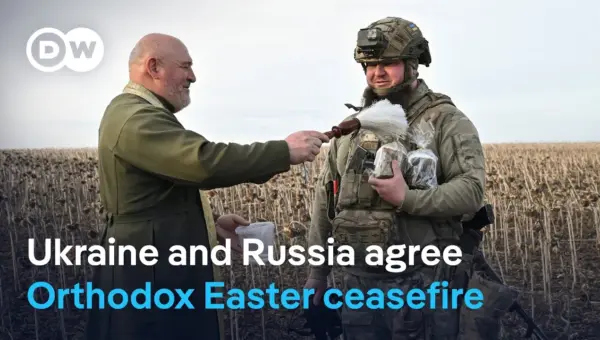
Ukraine Skeptical of Putin’s Easter Ceasefire Offer
Russia's President Vladimir Putin has proposed a 32-hour ceasefire for Orthodox Easter, but Ukraine remains deeply skeptical. Past truces have failed, with both sides accusing each other of violations. Residents and officials in Kyiv express little faith in the current offer, citing a history of broken promises and continued military escalation.
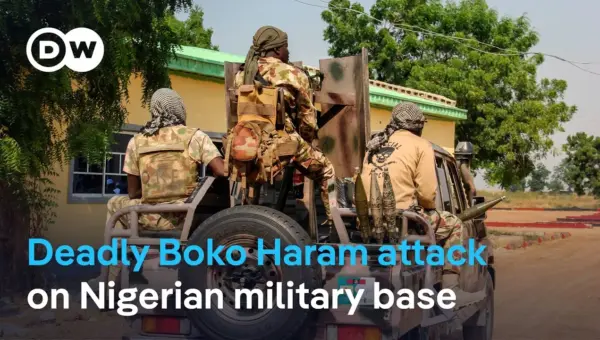
General Slain as Jihadists Attack Nigerian Military Base
A top Nigerian Brigadier General and several soldiers were killed in a brutal jihadist attack on a military base in Borno state. The assault highlights a surge in militant violence and raises concerns about the security forces' ability to counter increasingly bold attacks.
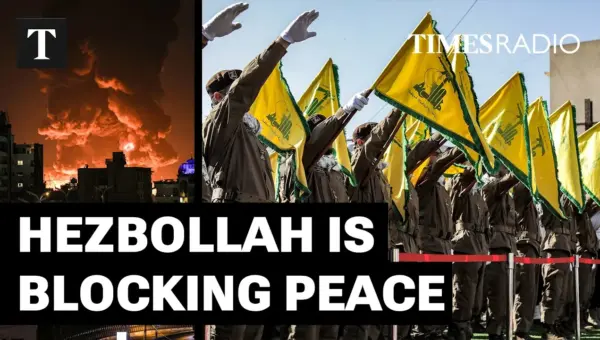
Israel Blames Hezbollah for Ceasefire Blockade
Israel identifies Hezbollah as the sole obstacle to a ceasefire amidst ongoing strikes in Lebanon that have claimed hundreds of lives. Diplomatic efforts are underway, with Lebanon seeking a truce for peace talks, while Israel vows to continue its operations against Hezbollah.