Putin Bolsters Residence Defenses Amid Regional Shortages
President Putin is reportedly significantly enhancing air defense around his Valdai residence, adding seven new systems for a total of 27. This comes as many Russian regions complain of insufficient protection, fueling public discontent and perceptions of unequal security.

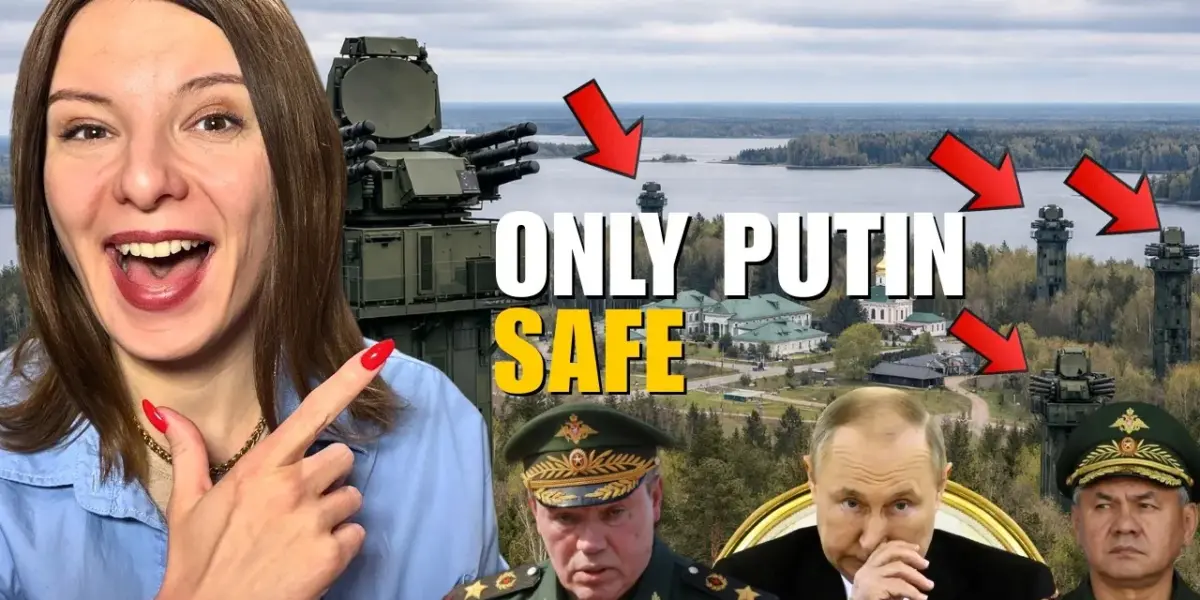
Putin Fortifies Valdai Residence with New Air Defense Systems
Recent reports indicate a significant expansion of air defense systems around President Vladimir Putin’s favored residence in Valdai, located in the Novgorod region. This development comes as many Russian regions reportedly struggle with insufficient air defense capabilities. The fortification efforts highlight a growing disparity in security between the Kremlin and the broader Russian populace.
Escalation of Air Defense Around Valdai
According to a report by Radio Liberty, seven new towers equipped with specific air defense systems were erected around the Valdai residence this past month. These additions bring the total number of protective systems at this location to 27. This residence is known to be a place where Putin spends considerable time, reportedly with his partner Alina Kabaeva and their children. The rapid construction suggests a heightened sense of urgency in protecting this personal sanctuary.
The placement of air defense systems on elevated towers is a tactical choice. It aims to improve surveillance and interception capabilities, particularly against low-flying drones and potentially low-altitude ballistic missiles. Such systems are designed to provide a wider field of vision and a longer engagement window, crucial for defending against modern aerial threats. This layered approach to defense underscores the perceived threat level to this specific location.
Disparities in Regional Security
The focus on fortifying Putin’s residences stands in stark contrast to the reported lack of air defense in many other Russian regions. Areas like Kursk, Belgorod, and Voronezh, which are considered active war zones due to their proximity to Ukraine, have voiced complaints about insufficient protection. Even regions further afield, such as Moscow, Tatarstan, and Bashkortostan, have experienced explosions and destruction, leading to public anger and dissatisfaction.
This disparity is particularly evident in the case of the Belgorod region. Reports indicate that the regional governor directly appealed to the Kremlin for more air defense systems to protect the war-torn area, but this request was reportedly denied. Meanwhile, extensive resources are being allocated to protect a single presidential residence. This situation is fueling a sense of betrayal among ordinary Russians, who witness their strategic economic sites, like the Luga and Primorsk oil export terminals, being targeted while their own communities remain vulnerable.
Strategic Implications and Public Perception
The ongoing fortification of Putin’s residences, while protecting him and his family, sends a powerful message to the Russian public. It suggests that the leadership prioritizes personal security over the safety of its citizens and critical infrastructure. This perception is likely to exacerbate existing discontent, particularly as the war continues and its effects are felt deeper within Russia, far from the front lines.
The expansion of Ukrainian drone warfare and missile capabilities appears to be a significant factor driving these defensive measures. Ukraine’s ability to strike targets deep within Russian territory, including economic infrastructure and, reportedly, even presidential residences, demonstrates a growing military capacity. This evolution of Ukrainian tactics is forcing Russia to adapt its own defense strategies, often prioritizing high-value assets and leadership locations.
Historically, leaders who appear to insulate themselves from the consequences of conflict while their populations suffer often face increased internal pressure. The stark contrast between the lavish protection afforded to the elite and the lack of basic security for ordinary citizens can erode public trust and support for the government. This situation may lead to growing polarization within Russia, as ordinary citizens grapple with economic hardship, increased taxes, and the fear of conscription, while perceiving their leaders as detached and self-serving.
Broader Geopolitical Context
The situation reflects the broader challenges Russia faces in its ongoing conflict. The diversion of resources to protect leadership and personal assets, while potentially necessary from the Kremlin’s perspective, could weaken its overall military posture and economic resilience. The continued attacks on oil infrastructure, vital for Russia’s economy, highlight vulnerabilities that Ukraine is exploiting. This dynamic suggests a long-term struggle where Russia must balance its defensive needs with its offensive objectives and economic stability.
The public’s awareness of these disparities, fueled by independent reporting and social media, plays a crucial role. Information about corruption, lavish lifestyles, and unequal security measures can quickly spread, influencing public opinion. This internal narrative is as important as the battlefield developments in shaping the long-term trajectory of the conflict and the stability of the Russian leadership.
Source: PUTIN PANIC: NO AIR DEFENSE FOR RUSSIANS Vlog 1377: War in Ukraine (YouTube)

Related Articles
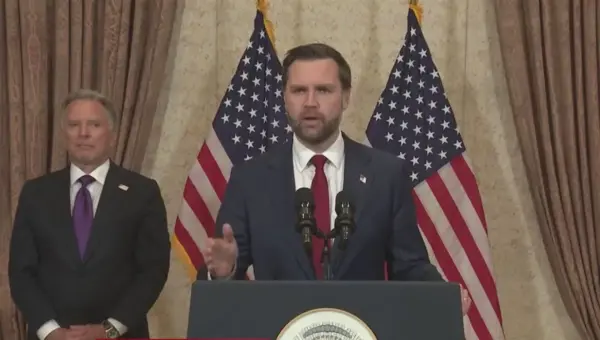
Iran Talks Collapse: US Blocks Strait, Escalates Tensions
Peace talks between the U.S. and Iran have collapsed over Iran's nuclear ambitions. In response, the U.S. Navy has initiated a blockade of the Strait of Hormuz, escalating tensions and threatening global oil supplies. This move follows Iran's refusal to meet key American demands.
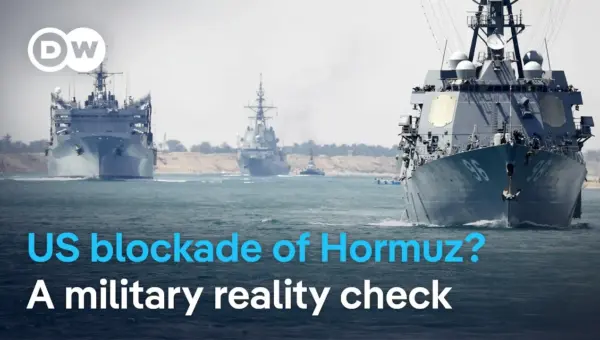
US Navy Blockade of Strait of Hormuz: Power Play or Empty Threat?
President Trump has threatened a U.S. Navy blockade of the Strait of Hormuz after failed peace talks with Iran. While the U.S. possesses significant naval power, the narrow strait presents challenges, and Iran could retaliate by threatening oil supplies. The situation is described as dangerous brinkmanship in ongoing negotiations.

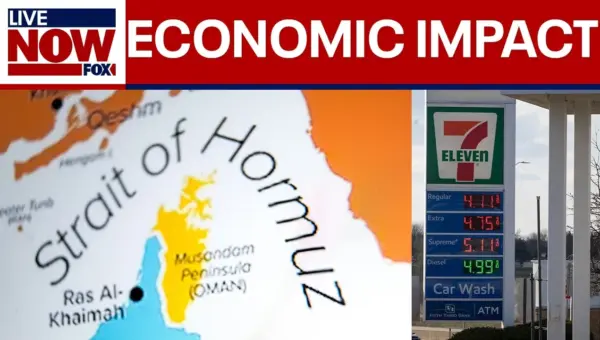
Trump Orders Strait of Hormuz Blockade, Risks Global Oil Shock
President Trump has ordered the U.S. Navy to blockade the Strait of Hormuz, a critical global oil transit point, sparking fears of soaring energy prices and inflation. This strategic move aims to exert pressure on Iran and China, while also addressing domestic economic concerns ahead of midterm elections.