Putin Admits Economic Crisis, Faces Drone Strikes
President Putin has openly acknowledged significant economic problems in Russia for the first time in 26 years, citing inflation and negative GDP growth. This comes as Ukrainian drone strikes target vital oil export terminals, hindering Russia's revenue generation. The combined pressure signals a potential strain on Moscow's ability to fund its war efforts.

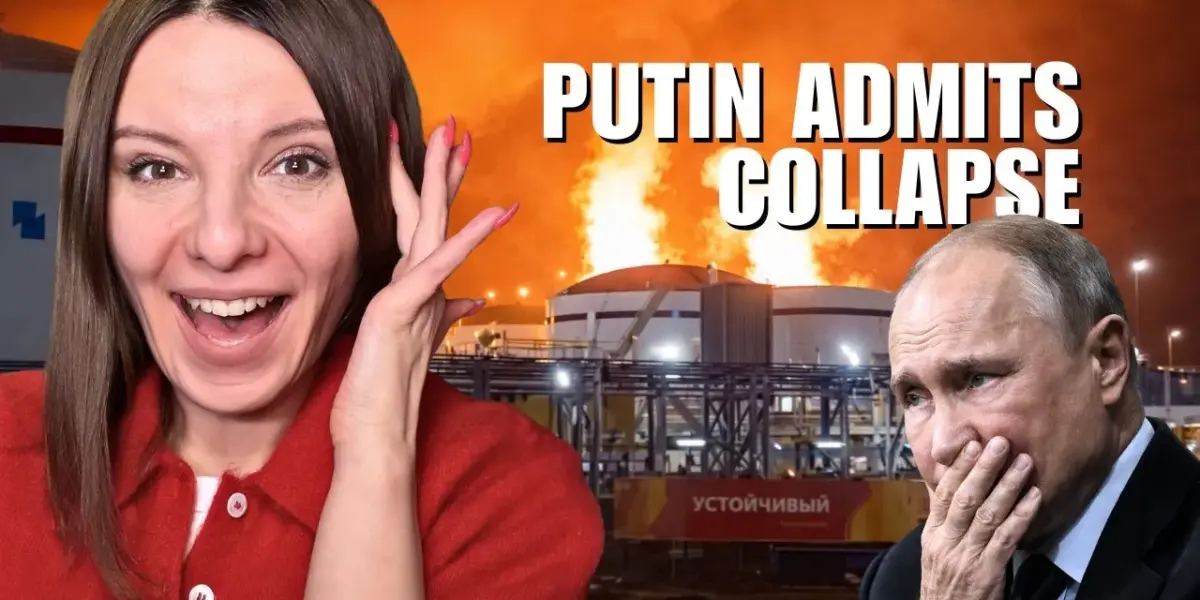
Putin Acknowledges Russian Economic Woes Amidst Drone Attacks
For the first time in 26 years, Russian President Vladimir Putin has publicly admitted to significant problems within Russia’s economy. Speaking with officials from the Ministry of Economy and Finance, Putin described issues like inflation, negative GDP growth, and struggling economic sectors. However, he offered no concrete solutions, instead ordering the problems to be resolved. This public acknowledgment comes as Ukrainian drones continue to target Russia’s vital export terminals, hindering the nation’s ability to generate revenue.
The recent address marks a stark contrast to previous official stances. Just months ago, Russian authorities consistently denied any economic difficulties. Now, the cumulative impact of these issues appears to be forcing a public admission. Reports indicate a rise in business closures and salary delays across various Russian regions, suggesting a deepening crisis. Some analysts suggest Putin’s focus has shifted entirely to military objectives, leading to a disconnect from domestic concerns.
Economic Challenges Mount for Russia
Putin specifically cited negative GDP growth, stating the economy is 2% smaller than anticipated. He also highlighted the alarming state of the federal budget, which is reportedly depleted. The widespread use of the term “trillions” by officials when discussing budgets indicates significant inflation and a devaluation of the Russian ruble. This artificial stabilization of the currency is failing to mask the economic hardship within the country.
The global media has largely overlooked these internal economic discussions within Russia. However, for those observing the conflict, these admissions are significant. They suggest that the immense cost of the war in Ukraine is beginning to strain Russia’s financial resources more severely than previously understood. The Kremlin’s ability to fund its military operations and maintain domestic stability appears increasingly challenged.
Drone Strikes Disrupt Oil Exports
Compounding Russia’s economic difficulties are ongoing Ukrainian drone attacks targeting critical infrastructure. Recent strikes have hit export terminals in Primorsk and Luga, both key facilities in the Leningrad region. These ports are essential for Russia’s oil exports, a primary source of national income. By disrupting these terminals, Ukraine aims to limit Russia’s ability to earn revenue, thereby hindering its war effort.
The timing of these attacks is particularly impactful. Russia may have hoped to capitalize on a temporary lifting of sanctions, potentially increasing oil sales. However, the drone strikes prevent Russia from fully exploiting this window of opportunity. The revenue generated from oil sales is crucial for funding not only the war in Ukraine but also for Russia’s broader geopolitical ambitions, including threats against NATO and EU countries.
Strategic Implications
Putin’s public acknowledgment of economic problems, coupled with the successful disruption of key export terminals, signals a potential turning point. The economic strain could limit Russia’s capacity for prolonged military engagement. Furthermore, it may increase internal dissent as citizens face the direct consequences of the government’s financial decisions.
The targeting of oil export terminals is a strategic move designed to cripple Russia’s financial lifeline. By preventing the sale of oil, Ukraine aims to reduce the Kremlin’s ability to fund its military. This tactic, if sustained, could significantly impact Russia’s long-term war-fighting capabilities and its global influence. The economic pressure also serves to highlight the true cost of the conflict for the Russian population, potentially fueling dissatisfaction.
Historical Parallels
The current situation echoes historical instances where economic pressure has significantly influenced the outcome of conflicts. Prolonged sanctions and targeted disruptions have, in the past, weakened nations’ resolve and capacity to wage war. The focus on crippling export revenues is a modern application of economic warfare, aiming to starve a nation’s war machine of essential funding.
The internal admission of economic hardship by a leader who has long projected an image of strength also bears resemblance to situations where domestic discontent has risen due to external conflicts. When the economic realities on the ground do not match the official narrative, populations can become disillusioned, leading to potential instability. This is a delicate balance for any wartime leader.
Geopolitical Impact
Russia’s economic struggles and its reliance on energy exports have broad geopolitical implications. A weakened Russian economy could reduce its ability to project power globally and support allied regimes. This could alter the balance of power in various regions and potentially lessen tensions in others.
The international community is watching closely. The effectiveness of sanctions and the impact of targeted attacks on Russian infrastructure will influence future diplomatic and economic strategies. A struggling Russia may be less able to pursue its aggressive foreign policy objectives, potentially leading to a more stable international environment in the long run. The narrative that Russia is an invincible power is being challenged, both economically and militarily.
Source: PUTIN’S BIG PROBLEM: RUSSIA ON FIRE & ECONOMIC COLLAPSE Vlog 1359: War in Ukraine (YouTube)

Related Articles

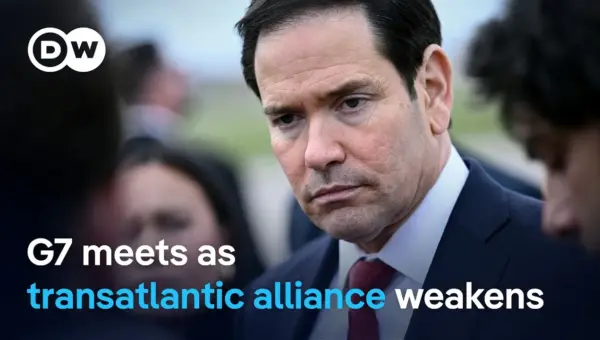
G7 Allies Clash Over Iran War Strategy, Urge Focus on Russia
G7 foreign ministers met in Paris, revealing deep divisions over the U.S. war with Iran. European allies urged the U.S. to pressure Russia, linking its actions to the conflict and fearing support for Ukraine will wane.

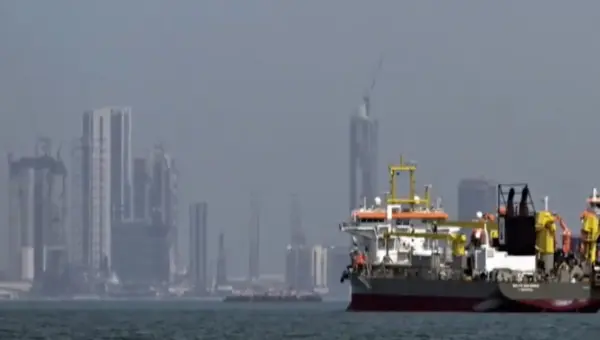
Iran Blocks China Ships, Exposing Beijing’s Weak Grip
Iran's recent decision to block Chinese ships at the Strait of Hormuz is exposing the limits of Beijing's influence in the Middle East. This action is causing delays and cancellations for Chinese manufacturers, turning a perceived geopolitical win into an economic strain.
Trump’s “Walk Away” Tactic Signals Tougher Stance on China
Retired Air Force Brigadier General David Stillwell believes President Trump's strategy of being willing to walk away from negotiations puts pressure on China. This tactic, combined with US global actions and strengthened alliances, signals a more assertive American foreign policy.