Psaki Mocks Trump’s Familiar ‘Two Weeks’ Iran Ceasefire Claim
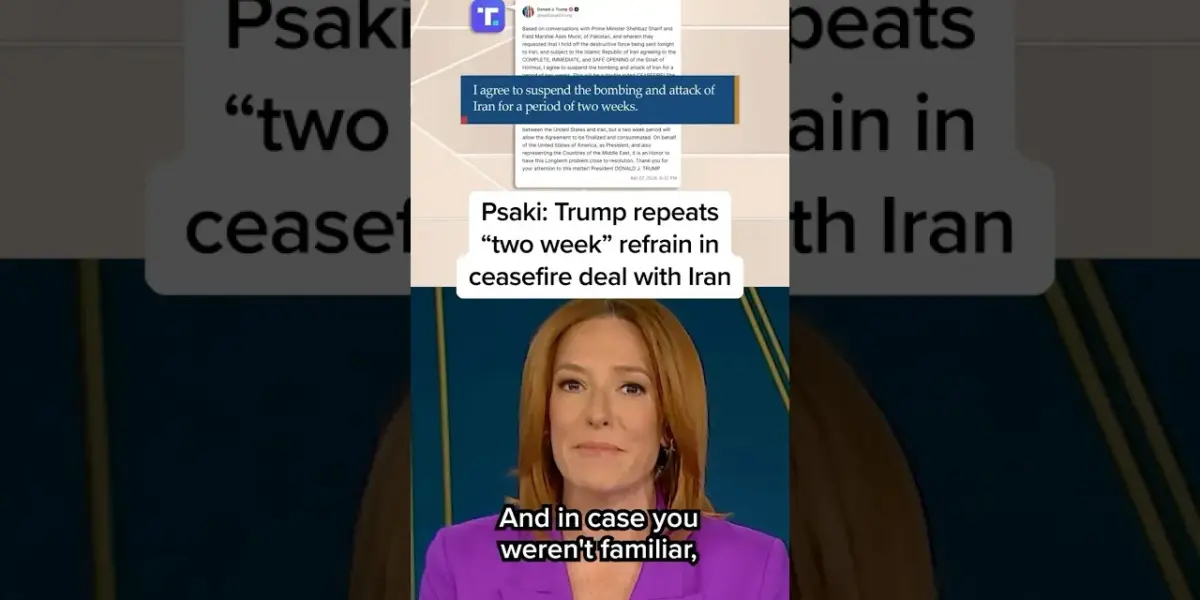
Former White House Press Secretary Jen Psaki highlighted a familiar pattern in Donald Trump's recent statements about a potential Iran ceasefire deal. Psaki noted Trump's repeated insistence on a 'two-week' timeline, suggesting it echoes past rhetoric without substantive backing. This observation points to the recurring nature of his diplomatic talking points.

Psaki Mocks Trump’s Familiar ‘Two Weeks’ Iran Ceasefire Claim
Former White House Press Secretary Jen Psaki pointed out a striking similarity in former President Donald Trump’s recent statements regarding a potential ceasefire deal with Iran. During a segment on MSNBC, Psaki highlighted that Trump’s repeated insistence on a ‘two-week’ timeline for such an agreement echoes a pattern seen during his previous presidency.
A Recurring Timeline
Psaki noted that Trump has consistently used the ‘two-week’ timeframe when discussing diplomatic efforts or potential deals, particularly concerning Iran. This specific period has become a familiar refrain, suggesting a lack of genuine progress or a rhetorical tactic rather than a concrete strategy. Psaki implied that this repetition might be a way for Trump to appear decisive without committing to specific actions or outcomes.
Context of Iran Negotiations
The issue of Iran’s nuclear program and its role in regional stability has been a major foreign policy challenge for multiple U.S. administrations. Trump’s presidency saw significant shifts in policy, including the withdrawal from the Joint Comprehensive Plan of Action (JCPOA), commonly known as the Iran nuclear deal. This move led to increased tensions and sanctions.
During his term, Trump often expressed a desire for a new deal with Iran, frequently suggesting that negotiations would be swift. The ‘two-week’ promise was a recurring theme, often made in public statements and rallies. Critics at the time, and now Psaki, viewed these timelines with skepticism, questioning their feasibility and the substance behind them.
Psaki’s Analysis
Psaki’s comments suggest that Trump’s approach to foreign policy, particularly in high-stakes negotiations, relies on a predictable set of talking points. The ‘two-week’ ceasefire timeline serves as a recognizable soundbite that can generate headlines and project an image of strong leadership. However, Psaki implied that this repetition might mask a lack of detailed planning or a willingness to engage in the complex, long-term diplomacy required for such sensitive issues.
The former press secretary’s observation serves as a reminder of the rhetorical strategies employed in political discourse, especially concerning international relations. The familiarity of Trump’s statements allows for easy recognition but also invites scrutiny regarding their actual impact and potential for success. Psaki’s commentary aligns with broader critiques that have often characterized Trump’s foreign policy as transactional and reliant on personal diplomacy rather than established institutional processes.
Broader Implications
The repeated use of the ‘two-week’ timeline raises questions about the seriousness of any proposed deal. For international relations, such timelines can create uncertainty and undermine the credibility of negotiations. When dealing with complex geopolitical issues like Iran’s nuclear ambitions, lasting solutions typically require extensive dialogue, expert input, and a willingness to navigate intricate challenges over extended periods. A short, fixed timeline might suggest a superficial engagement or an attempt to manage public perception rather than achieve tangible, sustainable outcomes.
Psaki’s analysis, delivered in her characteristic direct style, highlights how political communication can become a performance. The repetition of a specific phrase like ‘two weeks’ can become a brand for a particular approach, even if it lacks depth. This tactic can be effective in rallying a base but may not translate into effective foreign policy or lasting diplomatic achievements. The focus on the timeline, rather than the specific terms of a potential deal, underscores the importance of looking beyond the rhetoric to assess the substance of political proposals.
Looking Ahead
As the political landscape continues to evolve, attention will remain on how former President Trump discusses foreign policy and potential international agreements. Whether his familiar talking points will lead to substantive diplomatic breakthroughs or remain rhetorical devices will be a key aspect to watch. The effectiveness of such communication strategies in achieving real-world results in complex international arenas will continue to be a subject of public and expert analysis.
Source: Psaki: Trump repeats 'two week' refrain in ceasefire deal with Iran (YouTube)

Related Articles

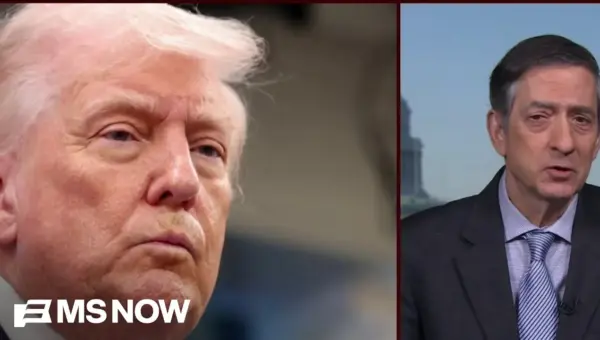
Trump Faces Political Peril as Polls Sink, Experts Warn
President Trump faces mounting political pressure as his approval ratings plummet. Experts warn he may react aggressively to his declining standing, potentially undermining election integrity. Concerns are high about his actions in the final years of his presidency.

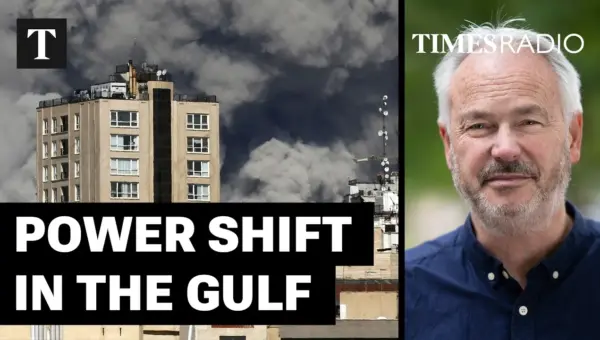
Iran Controls Persian Gulf After US Ceasefire, Analyst Claims
Iran has asserted control over the Persian Gulf following a US-declared military victory and ceasefire, according to analyst Tim Marshall. Despite US claims of success, Marshall argues Iran's actions demonstrate its regional dominance, particularly concerning its nuclear program and control of the Strait of Hormuz.
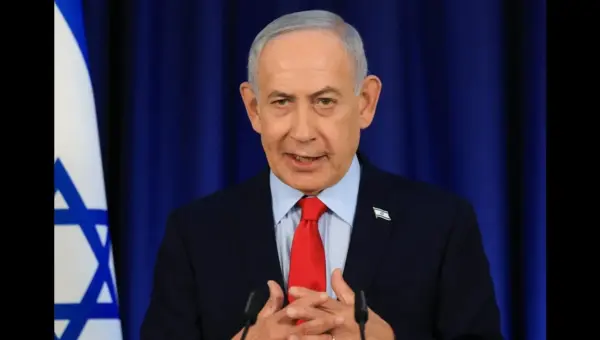
Trump Halts Iran Strikes, Hopes for Mideast Peace
President Trump has agreed to a two-week pause on planned attacks against Iran, contingent on Iran opening the Strait of Hormuz. This move, supported by Israeli Prime Minister Netanyahu, aims to foster peace talks. The President also vowed to investigate reports of 'fake news' regarding the deal.