Protests Show Real Power vs. Online Echo Chambers
A large protest demonstrated the power of real-world action, contrasting it with online political movements. The analysis suggests that genuine grassroots movements connect people to the country in ways that digital echo chambers cannot. It calls for unity and collective action to counter authoritarianism.

Protests Show Real Power vs. Online Echo Chambers
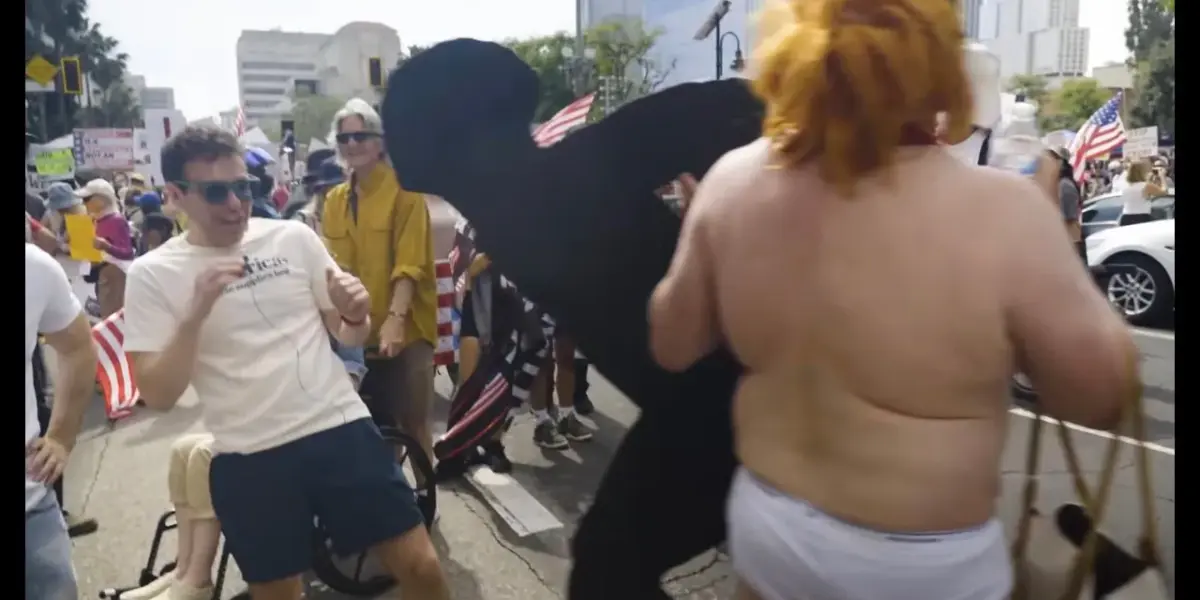
A recent large protest, described as potentially the biggest in American history, offered a stark contrast between online political movements and real-world action. John, a podcast host, observed the event and shared his thoughts on what makes these gatherings significant. He noted that while the right-wing is often labeled a “nationalist blood and soil party,” it often lacks genuine connection. John believes many on the right are simply consuming online content that agitates and radicalizes them, creating a movement that is anti-democratic.
He contrasted this with the people he saw at the protest. These were “real people with actual butt on the actual soil coming together.” John felt this demonstrated a connection to the country that online movements often miss. He pointed to politicians like Ted Cruz and Mike Johnson as examples of those who capitulate to a populist movement without truly having the people behind them. For John, the real country, and the majority of its people, were present at the protest, not glued to screens.
The Disconnect of Online Politics
John argued that the election results did not reflect a desire for policies like war in Iran, aggressive border control, or a government influenced by personal financial gain. He sees events like this protest as a reminder of what America truly stands for. It’s a call to action, urging people not to give in to cynicism or defeatism, especially with important elections approaching.
“There’s no blood and there’s no soil. It’s a bunch of people in their houses consuming right-wing news, propaganda, filth on social media that has agitated them and radicalized them and made them part of this big unamerican frankly uh anti-democratic movement that we have to stop.”
This perspective highlights a growing concern: that online political engagement, while widespread, can lack the substance and real-world impact of physical gatherings. It’s easy to feel connected and informed through social media, but John’s observations suggest that this can create an illusion of movement without true grassroots power.
Lessons from Popular Movements
The conversation touched on how popular movements have evolved, especially in the lead-up to recent elections. While there was significant street action on the right in the past, that presence seems to have vanished. Now, the most attended protests are on the side John was observing. He sees two major challenges when facing a strong authoritarian movement. First, you rely on institutions that the opposing side wants to destroy, trying to prove they work even as they’re being undermined.
The second, and perhaps more critical, challenge is building a broad pro-democracy movement. This movement needs to include everyone from anti-Trump Republicans to those on the furthest left. John acknowledged that this can be frustrating, as there are real disagreements within such a diverse coalition. However, he stressed that showing up and remembering this shared goal is crucial for defeating authoritarianism and the political forces it leaves behind.
Bridging Divides for a Common Goal
Events like these protests can give people permission to participate, even if they don’t identify strongly with traditional political parties. John suggested that many people are not hardcore partisans. For them, politics has often seemed like an ugly, ineffective slog on television. The sense that the government didn’t work and that voting didn’t matter as much as claimed was prevalent.
He believes that people didn’t take the threat posed by figures like Donald Trump seriously enough. This protest, however, shows it’s not just about well-known politicians. It’s a grassroots movement of people wanting change. The Democratic Party, he explained, is a tool to achieve this change, not the end goal itself. This perspective offers a way to redefine political engagement, moving beyond party labels to focus on shared objectives.
Looking Ahead: Hope and Action
As elections approach, John feels that Donald Trump is currently on the defensive. He pointed to issues like high gas prices and ongoing conflicts as evidence of the current administration’s negative impact. The job, he stated, is to tell a story about how the corruption and cruelty of the current leadership is hurting people. He believes there are individuals capable of stopping this and building something better.
The focus must be on unity, avoiding distractions from infighting, and facing hard questions. Getting everyone to understand the stakes is paramount. While big primaries can be contentious, the goal after they conclude is to put differences and egos aside to win. This includes encouraging Democrats to step aside in crowded races to support the broader cause. The ultimate aim is to make change happen, not through predictions, but through collective effort.
Why This Matters
This analysis underscores the vital role of physical presence and collective action in political movements. It challenges the notion that online engagement alone can drive meaningful change. By highlighting the disconnect between online rhetoric and real-world impact, the piece encourages a deeper understanding of what constitutes a genuine popular movement. It suggests that building broad coalitions, even with differing views, is essential to counter authoritarian tendencies. The future outlook points towards a need for continued grassroots organizing and a focus on shared democratic values over partisan divides. This historical context of protests shaping national discourse is critical, reminding us that visible, united action can remind people of what a country truly stands for and inspire them to fight for it.
Source: Obama official drops BOMB on Trump at No Kings (YouTube)

Related Articles
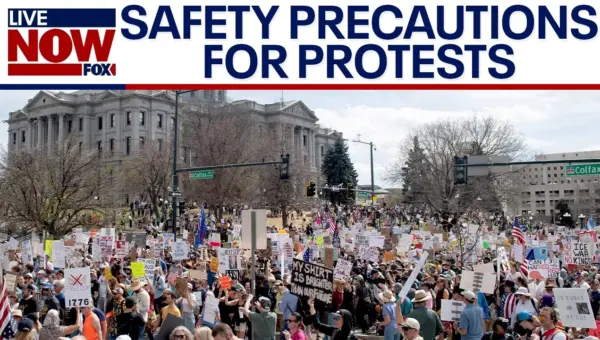
Protesters March Nationwide; Police Focus on Safety
Millions of Americans participated in nationwide 'No Kings Day' protests, with organizers prioritizing peaceful demonstrations. Law enforcement employed a multi-faceted strategy involving intelligence, undercover officers, and direct communication to ensure safety and protect First Amendment rights. Challenges arose as night fell and potential 'bad actors' posed risks, requiring enhanced vigilance and resources.
Millions Protest Trump Administration Amidst Economic Woes
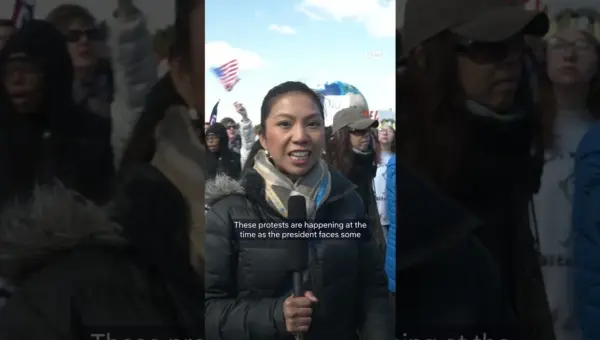
Millions of Americans are protesting the Trump administration nationwide over rising gas prices and the conflict in Iran. The "No Kings" movement spans all 50 states, with participants citing economic hardship and foreign policy as key concerns. The protests come as President Trump faces declining approval ratings, raising questions about their potential impact on upcoming midterm elections.

Nationwide Protests Challenge Immigration Policy and War
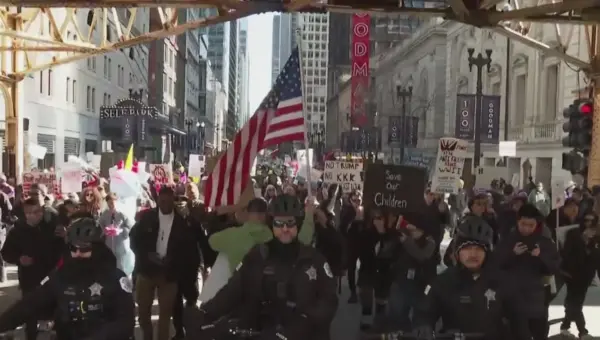
Thousands have protested nationwide against ICE policies and the Iraq war. The "No Kings" rallies, spanning cities like Chicago and Philadelphia, demand policy changes and reflect deep public concern over immigration enforcement and military actions.