Protests Explode Across Middle East Amid War Escalation
Millions are protesting across the Middle East against the Trump and Netanyahu administrations. Large demonstrations in Baghdad, Syria, Yemen, and even Tel Aviv show widespread opposition to the ongoing war. Analysts criticize the aggressive rhetoric and strategy, warning of further escalation and regional instability.

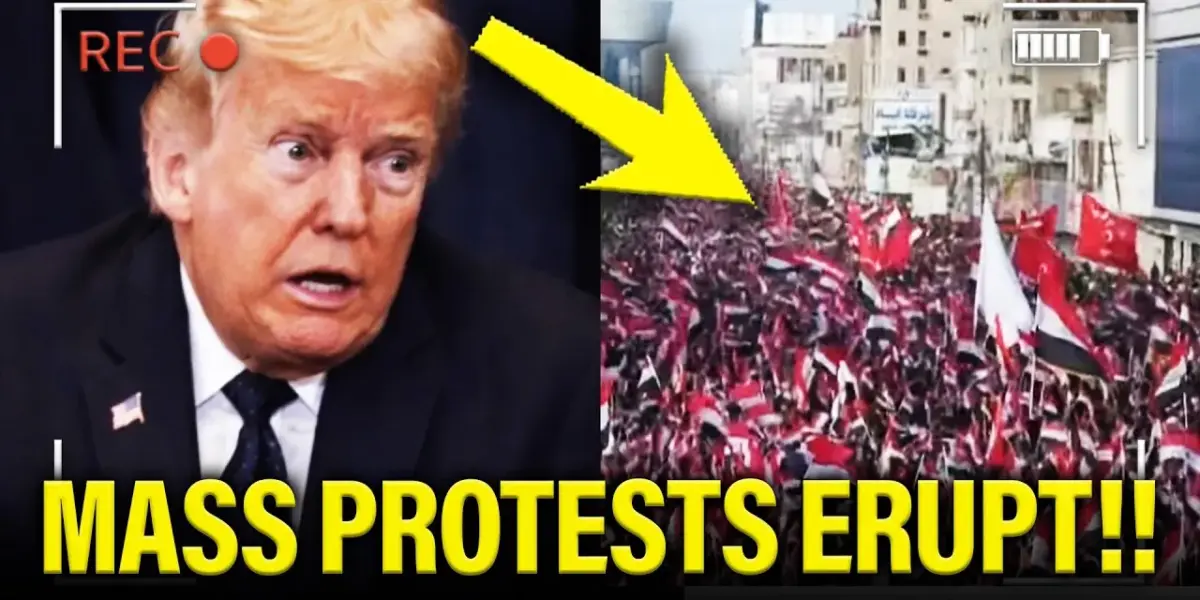
Massive Protests Erupt Across Middle East Against War
Millions of people are taking to the streets across the Middle East. They are protesting the actions of the Trump and Netanyahu administrations. These large gatherings show widespread anger. The protests are happening in many countries, showing a united front against the current conflict. Many are calling for an end to the violence and destruction.
Baghdad Sees Huge Anti-War Demonstration
In Baghdad, Iraq, a massive protest drew a million people. Shiite clerics led the crowd, calling for Iraq to support Iran in the war against the United States and Israel. This shows a strong sense of solidarity among people in the region. It also highlights growing opposition to foreign intervention. The sheer size of the crowd, with hundreds of thousands to millions of people, was striking. The people of Iraq showed their support for the people of Iran.
Escalation Sparks Regional Division
Instead of being welcomed as heroes, Trump and Netanyahu have fueled further division. The Shiite community across the Middle East is standing up and protesting. This movement is not limited to Iraq. Protests are also happening in Syria and Yemen. In Yemen, the Houthis organized large rallies. Hundreds of thousands of people participated, showing the widespread discontent.
Anti-War Sentiment Grows in Israel
Even in Tel Aviv, Israel, people are protesting. They are demanding an end to the war. These protests stand in contrast to Prime Minister Benjamin Netanyahu’s public statements. Netanyahu has been boasting about Israel’s military actions. He claimed Israel and the U.S. destroyed 70% of Iran’s steel production. He also stated plans to attack Iran’s petrochemical plants. This aggressive language has caused damage to civilian areas in places like Beirut, Lebanon.
Protests in Tel Aviv Demand Peace
Footage from Tel Aviv shows large crowds calling for an end to the conflict. Al Jazeera has reported on these significant protests. Many people may not be hearing about these demonstrations from other news sources. Hundreds gathered in Tel Aviv’s main square and other cities like Jerusalem and Haifa. These protests against the Netanyahu government happen every Saturday.
Syria and Yemen Join Anti-War Movement
Syrian cities have also seen daily protests. Citizens are demonstrating against the war in Iran and the attacks in the Middle East. They are also protesting Israeli laws regarding the execution of Palestinian captives. In Yemen, massive Houthi rallies are taking place. These are happening as the Houthis prepare for potential actions, like shutting down the Red Sea. This adds another layer of complexity to the escalating conflict.
Critique of Trump’s Strategy
Some observers believe Donald Trump views these protests as a sign of submission. However, the reality appears to be the opposite. Trump’s framing of the conflict as an attack on Iranian civilization, rather than the regime, is seen as a major strategic error. This approach alienates potential allies. It could prevent people who might otherwise oppose the Iranian government from supporting the U.S. or Israel. This strategy is considered a poor choice.
“Trump has really chosen the worst of all possible options and approaches for the Gulf States. He has chosen to escalate gratuitously against Iran’s civilian infrastructure, pledging to bomb them back to the stone age and to take out their electricity and oil infrastructure.”
– Hassan T. Alasan, Senior Fellow for Middle East Policy at the International Institute of Strategic Studies
Expert Analysis on Escalation
Hassan T. Alasan, a Senior Fellow at the International Institute of Strategic Studies, criticizes Trump’s strategy. He argues that Trump has chosen the worst possible path for Gulf States. This gratuitous escalation risks more Iranian attacks against them. It also leaves the Strait of Hormuz vulnerable to Iran. Alasan suggests Trump’s focus is too narrow, prioritizing Israeli interests. Israel doesn’t have the same direct stake in the Strait of Hormuz as Gulf States do. Israel’s goal seems to be degrading Iran’s military and economic capacity.
Religious Rhetoric Fuels Conflict
The language used by Trump and his allies often frames the conflict in religious terms. This ‘crusade’ rhetoric can inspire a broader religious response. It has galvanized millions of Shiites and others in the Middle East. They are rallying against what they see as an attack on their civilization. Trump’s statements about opening the Strait of Hormuz and threatening power plants have been seen as provocative. His administration has also involved religious figures, like Paula White-Cain, who frame the conflict in spiritual terms. This approach can be counterproductive.
Iran’s Response and Warnings
Iran’s parliament leader issued a warning. If Iran doesn’t receive a credible signal that Trump is reconsidering his attack plans, Iran will retaliate. They threatened to target Saudi Arabia’s electricity and oil infrastructure, as well as Israel’s. Iran has held back from this to avoid a wider regional war. However, this restraint might end soon. Iran’s foreign ministry spokesperson responded to Trump’s ‘civilization clash’ language. They emphasized Iran’s historical role as guardians and highlighted their culture of growth and creation. They condemned attacks on infrastructure as war crimes, comparing them to ISIS terrorism. Iran asserts its strength and pride despite efforts to destroy it.
Escalation Continues
Iranian strikes on infrastructure in Kuwait and Bahrain have already been reported. The Bahrain Petroleum Company (BAPCO) was significantly affected. These events indicate a dangerous escalation. The strategy employed appears to be the worst possible option, leading to increased instability and conflict in the region.
Why This Matters
The widespread protests and strong rhetoric signal deep dissatisfaction with the current military actions. The framing of the conflict as a civilizational or religious war risks further alienating populations and escalating tensions. The potential for a wider regional conflict involving multiple countries is a serious concern. The economic impact, particularly on oil and gas infrastructure, could be significant. The focus on aggressive military action over diplomatic solutions may lead to prolonged instability. It is crucial to understand these dynamics to grasp the full implications of the conflict.
Implications and Future Outlook
The current path suggests a continued cycle of escalation and retaliation. This could lead to more direct confrontations and broader regional involvement. The economic consequences for global energy markets could be severe. Diplomatically, the situation appears challenging, with little sign of de-escalation. The involvement of religious rhetoric on both sides could harden positions and make peaceful resolution more difficult. The future outlook points towards continued volatility unless a significant shift in strategy occurs.
Historical Context
Tensions between Iran, the U.S., and Israel have a long history. Decades of political maneuvering, sanctions, and proxy conflicts have shaped the current landscape. Previous incidents, like the downing of drones or attacks on oil tankers, have brought the region close to wider conflict. The current escalation builds upon this existing framework of mistrust and hostility. Understanding this historical background is key to recognizing the patterns of behavior and the potential for future conflict.
Source: Trump PANICS as MILLIONS PROTEST WAR in MIDDLE EAST!!! (YouTube)

Related Articles

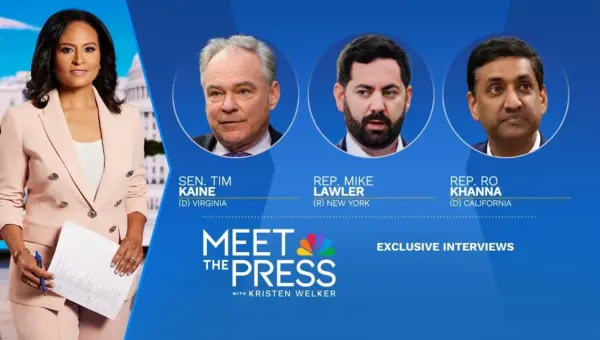
US Rescues Pilot From Iran, Trump Hints at Escalation
U.S. forces executed a daring rescue of a downed pilot from Iran, while President Trump signaled an escalation of military action against the country. The operation and the President's rhetoric sparked debate among lawmakers about the war's rationale, duration, and congressional oversight.


Trump’s Birthright Citizenship Plan Risks Undoing Progress
Kermit Roosevelt III, a constitutional law professor, argues that Donald Trump's challenge to birthright citizenship echoes post-Civil War efforts to undermine civil rights. The debate centers on the 14th Amendment's "subject to the jurisdiction" clause, with Roosevelt asserting the administration's interpretation is historically inaccurate and legally unsound. He believes the Supreme Court will likely reject the argument, but warns of broader implications for national identity and civil rights.
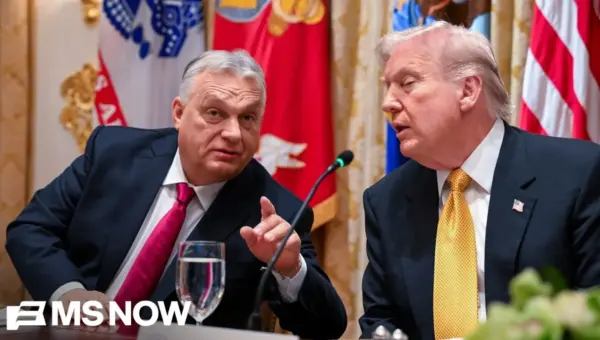
Vance Visits Hungary: A ‘Model’ for Trump’s America?
Vice President J.D. Vance's visit to Hungary signals support for Prime Minister Viktor Orban, raising questions about the U.S. embrace of Orban's governance model. Expert Anne Applebaum criticizes the move, linking it to a MAGA agenda for a European right-wing alliance and highlighting Orban's record of corruption and authoritarianism. The visit occurs amid concerns about Hungary's alignment with Russia and its impact on NATO cohesion.