Protests Erupt: Is Trump’s Populist Promise a Scam?
Massive protests across the nation signal deep public frustration with Donald Trump's administration and a perceived betrayal of populist promises. Critics argue that economic hardship and a focus on war over domestic needs show the populist message to be a "con." Organizers hope these demonstrations will fuel a broad coalition committed to democratic principles and lasting political change.

Protests Erupt: Is Trump’s Populist Promise a Scam?
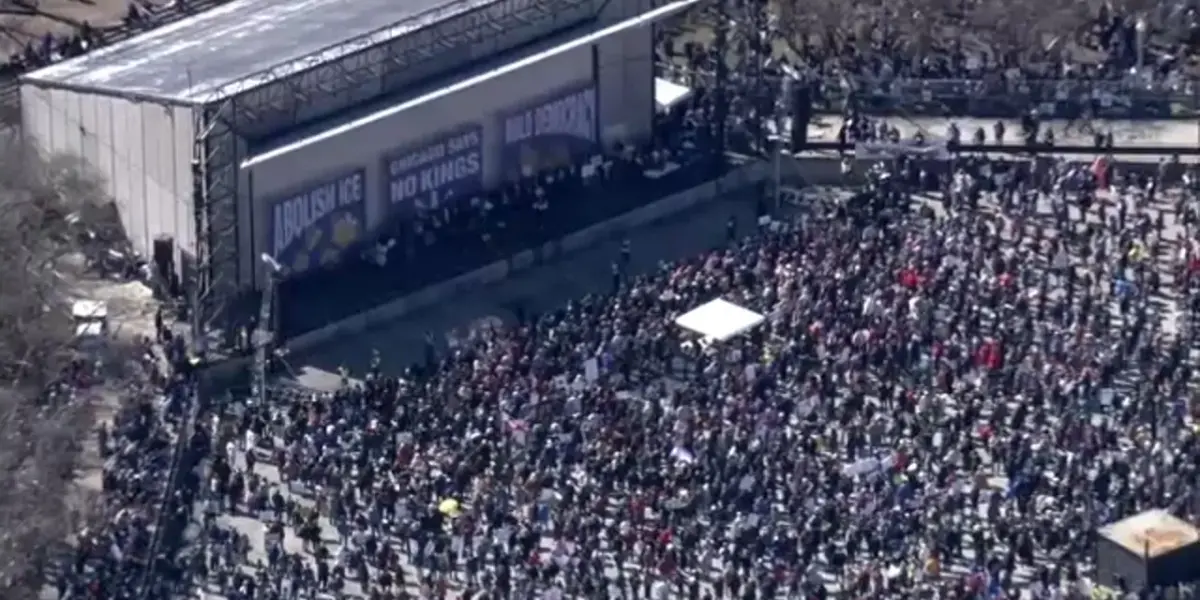
Thousands of Americans recently took to the streets in what was described as the largest protest in Southern California’s history and one of the biggest in the nation’s history. This widespread public outcry signals deep dissatisfaction with the current political climate, especially concerning promises made by Donald Trump’s administration. The protests highlight a growing belief among many that the populist message, which resonated with millions during Trump’s rise, may have been a deliberate deception.
A Broken Promise?
Donald Trump came into office on a wave of promises aimed at his supporters. He pledged to lower costs, end wars, reduce inflation, protect healthcare, and even release classified files related to Jeffrey Epstein. However, the reality on the ground appears to be quite different for many Americans. Despite these promises, the speaker points to several key areas where conditions have worsened.
- Epstein Files: Three months after the Epstein Files Transparency Act was signed into law by Trump himself, millions of documents remain unreleased, suggesting a potential cover-up.
- Rising Costs: Prices for everyday goods have surged, impacting household budgets across the country.
- Healthcare Cuts: Millions have seen their healthcare access reduced, with cuts to Medicaid affecting 17 million Americans and ACA subsidies impacting 24 million.
- Food Assistance: Significant cuts to food assistance programs, totaling $186 billion, have left many struggling to afford basic necessities.
War and Waste
While domestic programs face cuts, the administration has found substantial funds for military action. The speaker criticizes the push for another war in the Middle East, labeling it a “forever war.” This decision is seen as benefiting military defense contractors and figures like Don Jr. and Jared Kushner, rather than the American people. The resources, it is argued, could have been better used to address the needs of citizens.
Furthermore, taxpayer money is reportedly being spent on amenities for the president, such as renovating the White House ballroom and retrofitting jets for the Department of Homeland Security. These expenditures, along with projects like repaving the Rose Garden and building an arch, are presented as examples of prioritizing personal comfort and luxury over the well-being of the nation.
The “Con” of Populism
The core of the speaker’s argument is that the populist movement, led by Trump, was a “con from day one.” The idea is that Trump tapped into the pain and frustration of ordinary Americans but had no intention of solving their problems. Instead, this pain was allegedly exploited as a political tool. An example given is the push for the “Save America Act,” described as a voter suppression bill, which the speaker believes Trump supports to gain political advantage rather than to genuinely help people.
This perspective suggests that Trump’s primary concern is his own self-interest, using the struggles of his constituents to further his own political goals. The protests, therefore, are seen not just as a reaction to current policies but as a realization by many that they have been misled.
Public Pressure and Political Shifts
The protests are presented as a powerful message to Donald Trump and the Republican party. The speaker asserts that despite appearances, politicians are not immune to public pressure. Evidence for this is seen in recent election results, where Democrats have experienced significant gains, particularly among Latino voters. These shifts are attributed to people recognizing the gap between the promises made and the reality delivered.
The speaker also extends criticism to Republican leaders like Mike Johnson and John Thune, accusing them of ceding their autonomy to Trump instead of acting as checks and balances on the executive branch. This is framed as a betrayal of their constituents, prioritizing loyalty to Trump over the needs of the people they represent.
A New Coalition for Democracy
The protests are viewed not as an endpoint but as an “on-ramp” to greater political engagement. The presence of numerous tents at the demonstration, where people can sign up for organizations and volunteer, highlights a desire to channel this energy into lasting action. The atmosphere at these events is described as upbeat and inclusive, contrasting sharply with what the speaker characterizes as Trump’s “demagoguery” which relies on fear of minority groups and immigrants.
This new movement aims to be a “big tent” coalition, welcoming people of diverse backgrounds and political views. While disagreements may exist on minor issues, the fundamental belief in democracy unites participants. This broad coalition is seen as crucial for the upcoming midterm and general elections, with the goal of “toppling Trumpism” and preventing figures like JD Vance and Marco Rubio from carrying on its legacy.
The Illusion of “MAGA”
The speaker contends that the “MAGA” and “America First” movements are illusions that primarily benefit a select few – donors, campaign financiers, and those implicated in the Epstein files. The people attending the protests, on the other hand, represent the broad base that has been overlooked or exploited. The gatherings are thus a display of community and a testament to the energy that can translate into high voter turnout.
The ultimate aim is to relegate “Trumpism” to history and build a more inclusive and effective form of governance. The speaker also promotes a new book, “The Day After: How to Wield Power in a Post-Trump World,” which explores how to use political power effectively for progressive change.
Why This Matters
These protests and the sentiments expressed within them are significant because they represent a potential turning point in American politics. They signal a growing disillusionment with populist rhetoric when it fails to deliver tangible improvements in people’s lives. The focus on government accountability, the critique of unchecked executive power, and the call for a more inclusive, action-oriented political movement are vital themes. If these protests and the energy they generate can be effectively channeled into organized political action and voter mobilization, they could indeed reshape the political landscape. The challenge lies in sustaining this momentum beyond single events and translating public frustration into concrete policy changes and electoral victories. The historical context of populist movements often shows a rise and fall; the question is whether this current wave will lead to lasting change or fade away.
Implications and Future Outlook
The implications of this widespread dissent are considerable. It suggests a potential erosion of support for leaders who prioritize performative politics over substantive solutions. The call for a “big tent” coalition focused on democratic principles could lead to new political alliances and strategies. The future outlook depends on the ability of organizers to convert this public energy into sustained engagement, voter turnout, and ultimately, electoral success. The success of this movement will likely be measured by its ability to address the core concerns of the people who feel left behind and to offer a compelling alternative to the politics of division and personal gain.
Source: Trump gets the news he FEARED MOST at No Kings protest (YouTube)

Related Articles

Trump’s Mueller Jab Shows Ruthless Drive
Former President Trump's harsh reaction to Robert Mueller's death highlights his combative political style. This approach, though controversial, is seen by some as the driving force behind his pursuit of policies aimed at helping working-class Americans.

Protesters Demand “Take Back Power” at “No Kings Day” Rallies
Citizens across the U.S. participated in "No Kings Day" protests, demanding a return of power to the people and expressing deep dissatisfaction with current leadership. Democratic Representative Becca Ballant observed widespread discontent, noting calls for systemic change and a rejection of control by billionaires and corporations. The movement seeks to build a better future and includes disillusioned voters from various political backgrounds.


Shutdown Squeezes Essential Workers, Threatens Security
TSA agents are working longer hours without pay during the U.S. government shutdown, forcing them to take on second jobs and seek financial relief. The shutdown creates significant stress for essential workers and raises concerns about national security and the government's ability to function.