Protesters Rally Nationwide Against Trump’s Iran War
Thousands protested nationwide against President Trump's military actions in Iran, citing anger over war spending and unaccountable governance. The demonstrations saw a diverse turnout, including significant participation from rural and suburban areas, labor, and civil rights groups.

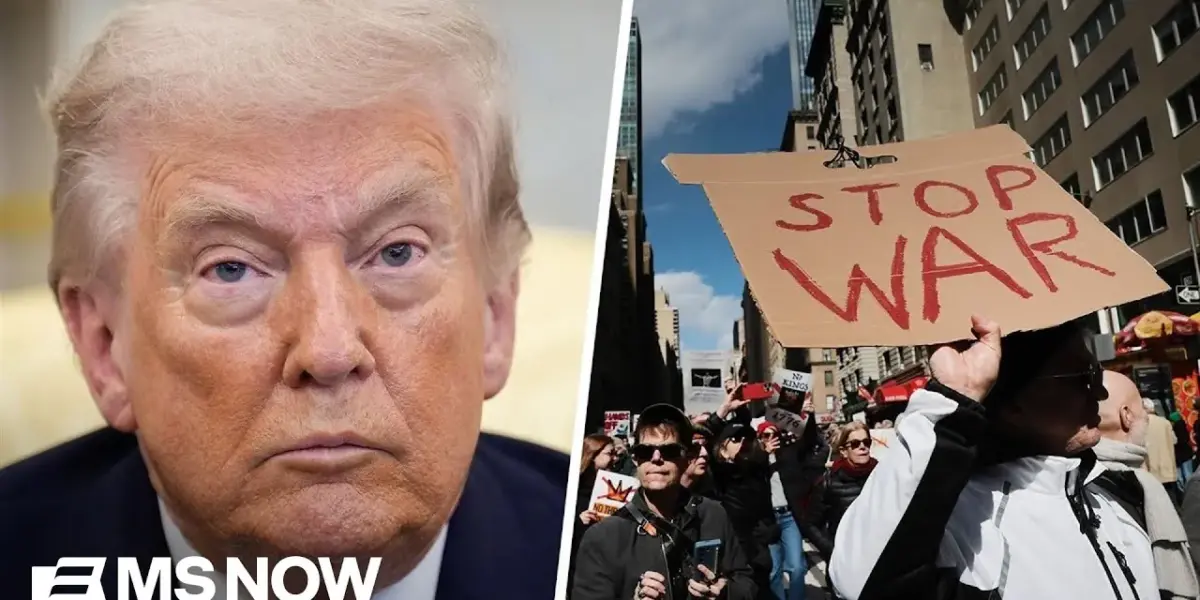
Massive Outrage Fuels Anti-War Protests Across U.S.
Thousands of Americans took to the streets nationwide on [Date of Protest – inferred from transcript context], driven by widespread anger over President Trump’s military actions against Iran. Organized by groups like Indivisible, the protests voiced strong opposition to what organizers called an “illegal, catastrophic war.” The demonstrations highlighted a deep dissatisfaction with the administration’s policies, extending beyond foreign conflict to domestic concerns.
Concerns Over War Spending and Domestic Needs
Leah Greenberg, co-founder of Indivisible, stated that a “massive groundswell of outrage” fueled the protests. She pointed to the billions of dollars allocated for military action abroad while many Americans struggle with hunger and healthcare at home. “People are going hungry and people are going about health care at home,” Greenberg said, explaining the connection between foreign policy and domestic hardship. This sentiment suggests a growing public demand for government resources to be prioritized for citizens’ well-being.
Broad Dissatisfaction with Trump Administration
The protests reflect a broader discontent with the Trump administration’s style of governance. Greenberg described the public’s frustration with “imperious, unaccountable governance that doesn’t take into account their needs.” The anger is not limited to war; people are also fed up with what they perceive as heavy-handed tactics, including confrontations with law enforcement. This widespread discontent is pushing people from various backgrounds to demand change, not just from the President but also from their elected officials.
Diverse Turnout Signals Growing Movement
Organizers noted that the current wave of protests is notably diverse, drawing larger and more varied crowds than previous anti-Trump demonstrations. The movement is seeing significant participation from labor unions, civil rights organizations, and faith communities. Additionally, veterans have joined in large numbers, expressing their opposition to the war. “We’ve had an extraordinary amount of labor organizing and folks throwing in,” Greenberg reported. This broad coalition suggests the anti-war message is resonating across different segments of society.
Surge in Rural and Suburban Participation
A key aspect of these protests is the significant increase in participation from rural and suburban areas. For the first time, a majority of the organized events are taking place outside of major city centers. This expansion into traditionally less politically active areas indicates that the Trump administration’s agenda of “chaos and cruelty and corruption is stretching everywhere,” as Greenberg put it. This wider reach suggests a growing dissatisfaction that transcends urban political strongholds.
Artists Join the Cause
The movement has also attracted support from the arts community. Musician Bruce Springsteen performed his anti-ICE single “Streets of Minneapolis” at an event in Minnesota. Greenberg highlighted that artists are “just as appalled as regular people are.” She believes their involvement helps amplify the message and bring attention to the power of ordinary citizens standing up against what they see as oppressive actions. The participation of artists underscores the broad appeal and emotional resonance of the anti-war and anti-administration sentiment.
Call for Action from Elected Officials
Beyond expressing outrage, protesters are demanding concrete action from both the Trump administration and their Democratic representatives. There is a clear call for all those in positions of power to work towards halting the conflict. The energy seen in these demonstrations, fueled by the courage of individuals, is inspiring others to join the cause. “When you stand up in that way, other people answer the call,” Greenberg observed, highlighting the ripple effect of citizen action.
Looking Ahead
The widespread and diverse nature of these protests suggests that opposition to President Trump’s foreign policy and governance is deepening. Future actions will likely focus on sustained pressure on lawmakers to de-escalate tensions with Iran and re-evaluate military spending priorities. The growing engagement from rural and suburban communities could also signal shifts in political landscapes leading up to future elections.
Source: ‘No Kings’ Organizer: ‘Massive groundswell of outrage’ against Trump’s war with Iran (YouTube)

Related Articles
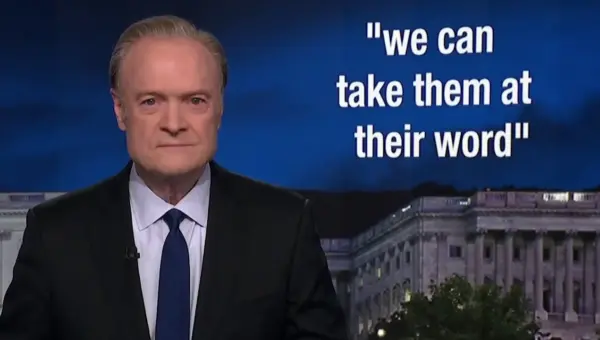
Trump’s Iran War Stumbles: Officials Admit Confusion
The Trump administration's strategy in its conflict with Iran is under fire for perceived confusion and a lack of understanding of complex geopolitical issues. Key figures have made contradictory statements, and the credibility of official pronouncements is being questioned amidst escalating tensions.
Trump’s Costly Iran War Sparks MAGA Revolt, Lacks Public Support
President Trump's escalating war in Iran, costing $1 billion daily, faces a growing MAGA revolt and historic public disapproval. With shifting war aims and concerns over potential U.S. troop deployment, the conflict's geopolitical implications, including Russian involvement, are raising alarms among military leaders and allies.
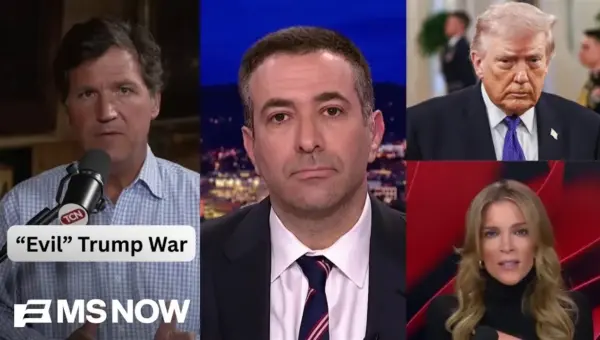
Trump’s Iran War: MAGA Revolt Over Shifting War Aims
President Trump's military actions against Iran are sparking a 'MAGA Revolt' due to shifting war justifications and a lack of clear objectives. Critics argue the conflict isn't serving U.S. national interests, while regional dynamics see an unexpected coalition forming against Iran.