Property Taxes Soar: Which States Feel the Pinch?
Property taxes are surging across the U.S., with Florida seeing a 47% jump since 2019. While rising home values play a role, tax policies are a major driver, leading 16 states to consider reforms. This trend adds significant financial pressure on homeowners already facing higher mortgage and insurance costs.

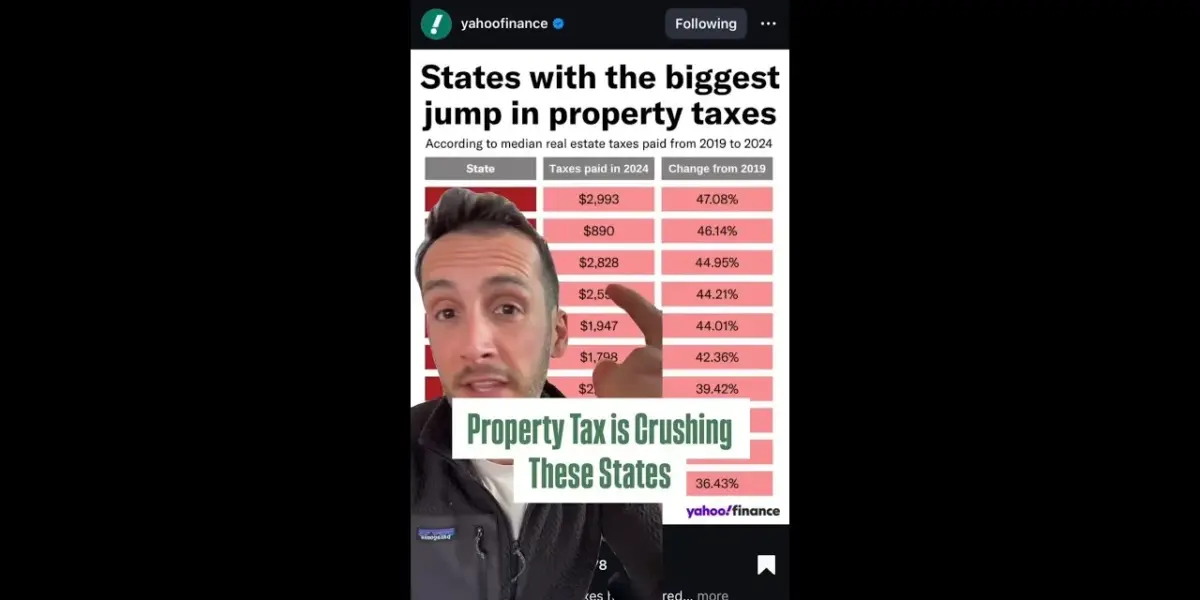
Property Taxes Surge Across U.S.
Homeowners are feeling the squeeze as property taxes climb rapidly nationwide. Recent data from the Census Bureau highlights the states where this burden is heaviest. This increase comes on top of already high housing costs, rising mortgage rates, and increasing insurance premiums, making homeownership a significant financial challenge for many.
Florida Leads the Way in Tax Hikes
Florida has experienced the most dramatic rise in property taxes. From 2019 to 2024, taxes in the Sunshine State jumped by a staggering 47%. This sharp increase means homeowners in Florida are paying significantly more to fund local services than they were just a few years ago.
Other States Face Steep Increases
Florida is not an isolated case. Several other states have also seen property taxes climb by more than 40% during the same five-year period. These include Alabama, Colorado, Georgia, Wyoming, and Indiana. This widespread trend suggests a national issue rather than a localized problem.
Regional Differences Emerge
However, not all states are experiencing such dramatic tax hikes. In stark contrast, states like Minnesota, Connecticut, and Wisconsin have seen much smaller increases, with property taxes rising only about 10% between 2019 and 2024. This shows a significant regional difference in how property taxes are managed and how they impact homeowners.
Understanding the Drivers of Tax Increases
While rising home values certainly contribute to higher property taxes, they don’t tell the whole story. Even in states like Connecticut and Wisconsin, which have seen substantial home price growth, tax increases have been far more moderate than in states like Florida. This suggests that state and local tax policies play a crucial role in determining the final tax bill homeowners receive each year. Tax policy decisions directly affect how much revenue local governments collect and how much homeowners must pay.
Policy Debates Intensify
The growing financial pressure on homeowners has sparked a movement to address these rising property taxes. Currently, 16 states are considering new laws. These proposals aim to either cap, reduce, or even eliminate property taxes altogether. The debate centers on finding a balance between easing the burden on homeowners and ensuring local governments have sufficient funds to provide essential services like schools, roads, and public safety.
The Role of Property Taxes
Property taxes are a primary source of funding for local governments. They pay for schools, police and fire departments, road maintenance, and other vital community services. Without this revenue, local governments would need to find alternative funding sources, which could include sales taxes or income taxes, potentially shifting the tax burden to different groups of taxpayers.
Economic Factors at Play
The surge in property taxes is happening alongside broader economic challenges. Higher mortgage interest rates make buying a home more expensive. Increased construction costs and supply chain issues have driven up the price of new homes and renovations. Additionally, rising insurance costs, particularly for homeowners in flood-prone or wildfire-risk areas, add another layer of expense. Together, these factors create a challenging environment for prospective buyers and existing homeowners alike.
Who is Most Affected?
These rising property taxes disproportionately affect certain groups. Long-time homeowners on fixed incomes may struggle to afford the increased costs, even if their home values have risen. New buyers face a higher overall cost of homeownership from the outset. Investors in real estate also need to factor these rising costs into their calculations for potential returns on investment. Property taxes directly impact the profitability of rental properties.
Looking Ahead
As more states grapple with these issues, the conversation around property tax reform will likely continue. Finding solutions that support homeowners while maintaining essential public services remains a key challenge for policymakers across the country. The decisions made now will shape the future of homeownership and local government funding for years to come.
Source: Property Tax Is Crushing These States 🚨 (YouTube)

Related Articles


Denver Housing Market Faces Steep Drop
Denver's housing market is facing a significant downturn, with home sales at a 10-year low and inventory surging. Rising prices have eroded affordability, prompting an exodus of residents. Experts predict further price drops, marking a potential major correction for the city.

Red States Face Tax Dilemma as Voters Demand Services
Voters in Republican-led states are signaling a change in priorities, indicating they'd rather pay higher taxes for essential services like roads and schools than continue with tax cuts. This marks a significant shift from decades of anti-tax rhetoric and presents a new challenge for politicians.

Money Control Key to Iran, Venezuela Policy
Former Energy Secretary Dan Brouillette stressed that controlling financial flows from Iran and Venezuela is key to policy success. Economist Art Laffer remains optimistic about markets despite geopolitical concerns, while Steve Moore criticizes high-tax states for driving residents away.