Propaganda Over Truth: The War on Journalism Explodes
The Trump administration's war on "fake news" is escalating, with figures like Pete Hegseth advocating for a patriotic media that acts as a government mouthpiece rather than an independent watchdog. This analysis explores the implications of prioritizing propaganda over truth for democratic society.

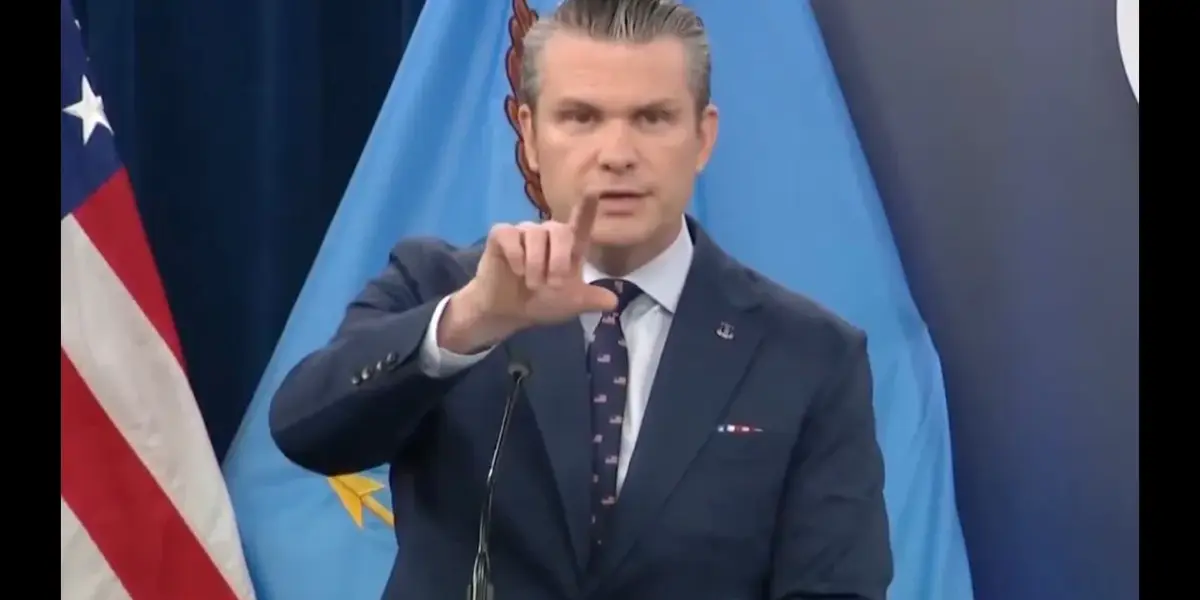
Hegseth’s Meltdown: A Symptom of a Larger War on Truth
The Trump administration’s relationship with the press has long been characterized by a deep-seated animosity, frequently labeling reputable news organizations as “fake news.” While this administration often laments the perceived decline of quality journalism, the reality presented in recent discourse suggests a more deliberate effort to shape, rather than engage with, the narrative. This analysis delves into the implications of a media environment where sycophantic interviews are lauded and critical reporting is decried as unpatriotic, as exemplified by the vocal criticisms of figures like Pete Hegseth.
The Art of the Compliant Interview
The transcript highlights a stark contrast between what the Trump administration deems a “good interview” and the tenets of traditional journalism. An exchange with a reporter, where the conversation revolves around trivialities like the size of a TV on Air Force One, is presented as exemplary by the administration. This is juxtaposed with the implied expectation that reporters should echo talking points and avoid challenging inconsistencies. The interview with Jake Paul, though sarcastically dissected, serves as a satirical representation of the administration’s ideal journalistic encounter: one that is devoid of genuine scrutiny and serves to amplify pre-approved narratives.
Brian Kilmeade and the Tomahawk Missile Contradiction
A key example of this dynamic is the interview with Fox News’s Brian Kilmeade. During the segment, President Trump asserts the unparalleled technological superiority of American weaponry, specifically mentioning Tomahawk missiles. Kilmeade, rather than probing this claim or highlighting a recent contradictory statement by Trump regarding the same missile, allows the president’s narrative to stand unchallenged. The transcript points out that just days prior, Trump had made statements suggesting the Tomahawk missile was a common weapon, even used by Iran. The failure to address this direct contradiction underscores the perceived preference for narrative control over factual accuracy.
Pete Hegseth: The Patriotism of Stenography
Pete Hegseth emerges as a central figure in this critique, embodying a particular view of patriotism that equates it with uncritical support for the administration. His commentary suggests that journalists should not merely report facts but should frame them in a manner that aligns with a specific, pre-approved patriotic narrative. Hegseth’s suggested headlines, such as “Iran increasingly desperate” or “Iran shrinking, going underground,” are presented as patriotic alternatives to more neutral or critical reporting like “Middle East war intensifies.” This perspective, the analysis argues, redefines patriotism not as holding leaders accountable but as acting as a stenographer for their pronouncements.
The “American Language” and the Erosion of Meaning
Hegseth’s dismissal of the English language in favor of an “American language” – one where words are manipulated to serve political ends – is a potent symbol of this broader trend. The assertion that in this “American language,” words “don’t really have much meaning” and are interpreted based on personal preference, reflects a concerning disregard for objective truth and consistent communication. This rhetorical maneuver is framed as an attempt to legitimize the bending of language to fit a desired political narrative, rather than engaging with the complexities of reality.
The FCC and the Push for Pro-America Programming
The involvement of the FCC, particularly through initiatives like the “Pledge America” campaign championed by Chair Brendan Carr, is presented as a governmental effort to encourage patriotic, pro-America programming. While the initiative is framed as voluntary, the underlying message suggests a preference for content that celebrates the nation and its leadership. The analysis raises concerns that this environment could implicitly discourage critical reporting, creating a chilling effect on journalists who might feel pressured to conform to these expectations to avoid scrutiny or professional repercussions.
David Ellison and the Future of CNN
The potential acquisition of Warner Bros. Discovery, including CNN, by David Ellison, a Trump supporter, is discussed as a significant development. The implication is that such a transition could lead to more favorable coverage of the administration, aligning with the broader desire for propaganda over independent news. This possibility highlights the vulnerability of major news organizations to political influence, particularly when ownership changes hands and financial interests align with political agendas.
Historical Context: The War on the Press
The current climate of animosity towards the press is not entirely unprecedented. Throughout history, political leaders have often clashed with journalists, especially during times of conflict or significant political upheaval. However, the current administration’s consistent and often aggressive attacks on the credibility of news organizations, coupled with efforts to shape media narratives through both direct appeals and potential regulatory influence, represent a heightened and more systematic approach. The legacy of figures like Spiro Agnew, who famously attacked the media in the Nixon era, offers a historical parallel, but the digital age and the current administration’s communication strategies add new dimensions to this ongoing tension.
Why This Matters
The erosion of trust in journalism and the increasing pressure on media outlets to conform to political narratives have profound implications for a democratic society. An informed citizenry is the bedrock of democracy, and this requires access to reliable, fact-based information. When reporting is diluted with propaganda, or when critical inquiry is branded as unpatriotic, the public’s ability to make informed decisions is compromised. This dynamic can lead to political polarization, a decline in civic engagement, and a weakening of the checks and balances essential for a healthy democracy.
Implications, Trends, and Future Outlook
The trend towards a more politicized media landscape is concerning. We are witnessing a growing divide between news organizations that strive for objective reporting and those that align themselves with partisan agendas. The financial pressures on independent media, coupled with the administration’s ability to leverage social media platforms and exert influence through regulatory bodies like the FCC, create a challenging environment for journalists. The future outlook suggests a continued struggle to maintain journalistic integrity in the face of these pressures. The success of independent media may increasingly rely on direct audience support, such as subscriptions to newsletters and direct engagement through platforms that are less susceptible to overt political manipulation.
The Foundation of Democracy
Ultimately, the core issue is the fundamental role of journalism in a democracy. Seeking truth, holding elected officials accountable, and reporting on inconsistencies and falsehoods are not anti-American acts; they are essential functions that underpin a free society. The attempt to reframe these activities as unpatriotic is a dangerous rhetorical tactic that seeks to silence dissent and control the flow of information. The resilience of democratic institutions depends on the ability of citizens to access and trust information, a process that is directly threatened by the current administration’s approach to the press.
Source: Pete Hegseth finally SNAPS, LOSES IT in meltdown | Another Day (YouTube)

Related Articles
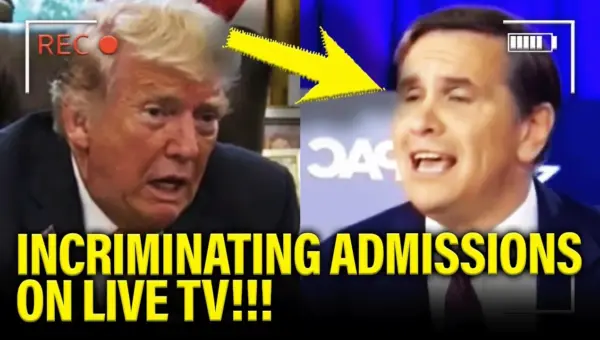
DOJ Official’s Remarks Spark Outrage Over Political Allegations
A top Trump DOJ official's speech at CPAC has sparked controversy, with claims of incriminating admissions regarding fears of prosecution and alleged political motivations. The remarks have raised serious questions about impartiality within the Department of Justice.
Americans Rally for Democracy Amidst War and Economic Woes
Thousands of Americans are participating in "No Kings" rallies nationwide, demanding accountability from leaders and drawing parallels to historical movements that spurred significant change. The protests occur amidst a controversial war with Iran, economic uncertainty, and a partial government shutdown. Organizers emphasize solidarity, joy, and the power of collective action in defending democracy.
Pentagon Chief Blocks Black, Female Officers’ Promotions
Pentagon chief Pete Hegseth is reportedly blocking the promotions of four Army officers, two Black and two women, to one-star general. This decision follows reports of alleged discriminatory remarks made by a top aide to Secretary Hegseth regarding President Trump's comfort standing with Black female officers.