Progressive Policies Fuel San Francisco’s Urban Decay
San Francisco's transformation from a city of acceptance to one facing significant urban decay is analyzed. The piece links this decline to the rise of progressive politics and specific legal measures, such as Proposition 47, which have impacted public order and safety.

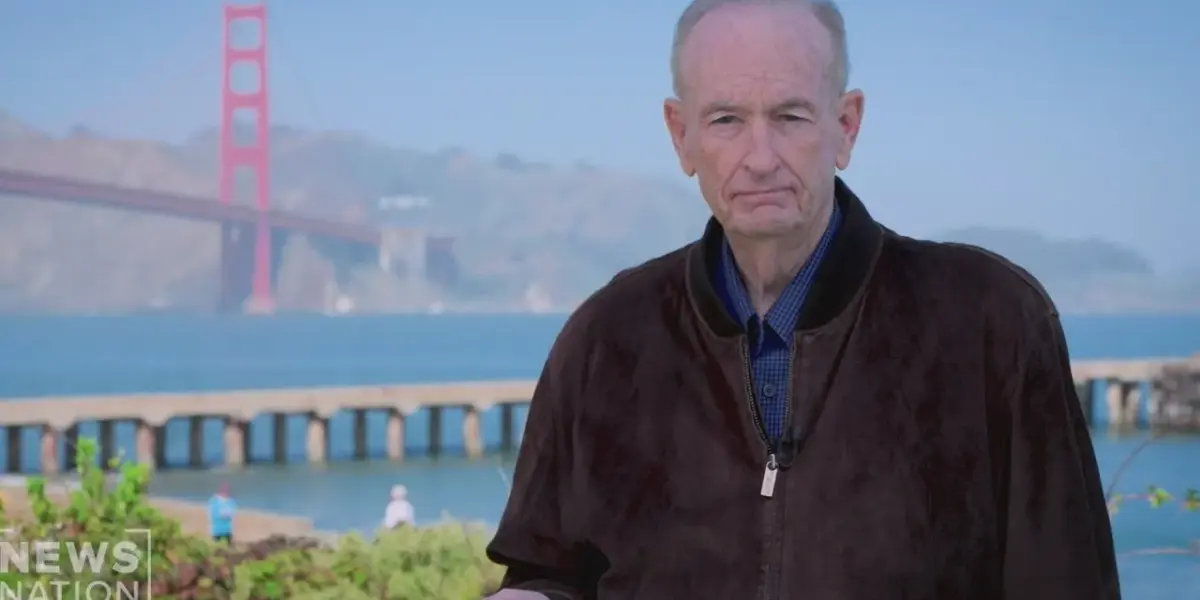
San Francisco’s Shifting Landscape: From Haven to ‘Free Fire Zone’
San Francisco was once known as a place of acceptance, a city where people who didn’t quite fit elsewhere found a home. This spirit of openness helped the city grow. However, a significant change began with the rise of progressive, left-wing politics, especially during the anti-Vietnam War era. This shift slowly led to a decline in civility and social order, transforming the city’s atmosphere.
The San Francisco of the past, while not perfect, presented a much different picture than it does today. This change has not gone unnoticed, even drawing the attention of former President Donald Trump. He recently shared a video on his platform, True Social, showing disturbing before-and-after images of the city. These images highlight a stark contrast between its former state and its current condition.
A City Divided: Safety vs. Chaos
While parts of San Francisco, like the Presidio, remain beautiful and safe, other areas have dramatically deteriorated. The contrast is striking; just three miles away from serene beauty, one can find what is described as a ‘free fire zone.’ This area is reportedly overrun by a large number of individuals struggling with drug addiction and mental illness, along with those engaging in criminal activity.
The situation is characterized by a sense of lawlessness, with many feeling that authorities are not taking adequate action. This perceived inaction allows a significant population, estimated to be around 10,000 people facing mental health challenges and substance abuse issues, to operate with apparent impunity. This includes public acts like defecating in the streets, contributing to a breakdown of public order.
Legal Loopholes and Their Consequences
A key factor contributing to this decline appears to be a specific legal measure passed by the people of California. Proposition 47, passed in 2014, reclassified certain non-violent offenses as misdemeanors. Crucially, it set the felony theft threshold at $950, meaning that stealing items valued under $1,000 is generally not prosecuted as a felony.
This policy has led to widespread shoplifting, where individuals can reportedly walk into stores, take merchandise, and leave without consequence. This situation is described as a form of anarchy, reflecting a breakdown in the basic rules that govern societal behavior. The current state of affairs in San Francisco is presented as a cautionary tale for 2026, suggesting a future shaped by these policies.
Historical Context: Shifting Political Tides
San Francisco’s history is deeply tied to social movements and political change. In the mid-20th century, it became a beacon for counterculture and alternative lifestyles, fostering an environment of liberation and experimentation. This era attracted diverse populations seeking freedom from more rigid social norms found elsewhere.
However, the rise of progressive political ideologies in the latter half of the century brought new challenges. The focus on social reform and addressing root causes of crime, while well-intentioned, has, in this view, inadvertently created an environment where public safety and order have been compromised. This reflects a broader national debate about how to balance social justice with law enforcement and public order.
Economic and Social Impact
The deterioration of public spaces and the rise in crime have significant economic consequences. Businesses face losses from shoplifting and may be hesitant to invest in or remain in areas perceived as unsafe. Tourism, a vital industry for San Francisco, can also suffer as visitors are deterred by the visible signs of decay and disorder.
The social fabric of the city is also strained. Residents may feel less safe, leading to a decrease in quality of life. The presence of widespread drug use and homelessness can overwhelm public services and create a challenging environment for everyone. This creates a cycle where the visible problems further discourage solutions and investment.
Future Scenarios
One possible future scenario is a continuation of the current trajectory, where progressive policies remain dominant and the city’s problems persist or worsen. This could lead to further economic decline and a continued erosion of public order.
Another scenario involves a significant policy shift. If there is a strong public demand for change, voters and policymakers might re-evaluate current laws, particularly those related to theft and public order offenses. This could lead to stricter enforcement and a potential restoration of safety and cleanliness.
A third possibility is a gradual improvement, driven by a combination of targeted interventions. This might include increased funding for mental health and addiction services, alongside more effective, yet humane, approaches to managing public spaces and addressing petty crime. The path forward for San Francisco remains uncertain, depending heavily on the choices made by its residents and leaders.
Source: The factors that drove San Francisco’s decline: Bill O’Reilly | On Balance (YouTube)

Related Articles
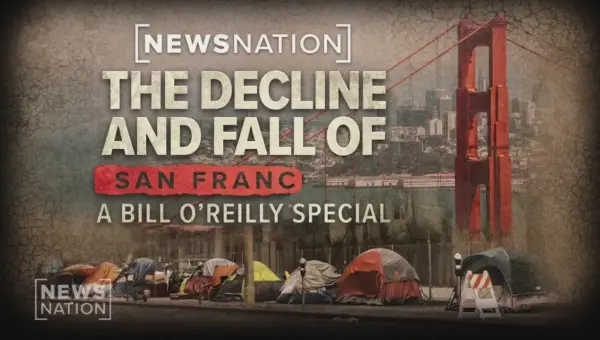
San Francisco’s Collapse Fuels National Debate
San Francisco is facing a severe social crisis marked by homelessness, drug use, and crime. Critics blame progressive policies like 'Housing First' and lax law enforcement for incentivizing these issues. The city's approach to mental illness and criminal justice is also under intense scrutiny.


Immigration Debate Ignites Over Murder Suspect’s Status
A Venezuelan national accused of murder has become a focal point in the U.S. immigration debate. Prosecutors presented evidence of his alleged involvement in a student's death, while the defense highlighted his difficult background. The case raises questions about public safety and migrant support.

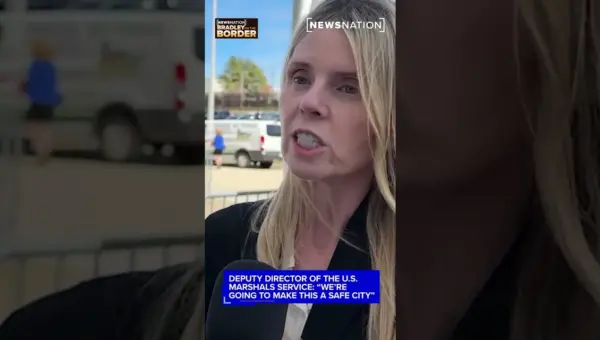
US Marshals Target Memphis Crime Surge
The U.S. Marshals Service has launched a major crime-fighting initiative in Memphis, aiming to unite law enforcement agencies and build community trust. The task force's primary goal is to reduce violent crime and make the city safer for its residents. This effort highlights the importance of collaboration between federal and local authorities in addressing public safety concerns.