Pro Detailing Secrets for Your Aston Martin (and Any Car!)
Unlock professional-level car detailing secrets to make any vehicle shine. Learn essential techniques like foam pre-washes, safe contact washing, interior cleaning processes, and paint protection that go beyond a basic wash.

Beyond the Wash: Unlocking Your Car’s True Shine
We’ve all been there. That moment you look at your beloved car, whether it’s a pristine Aston Martin Vantage or your trusty daily driver, and realize it’s seen better days. Fingerprints mar the paint, swirl marks tell tales of improper washing, and the engine bay looks like it survived a sandstorm. While a simple wash might seem sufficient, true automotive enthusiasts know that detailing is an art form – one that preserves your investment and brings out its inherent beauty. This isn’t about achieving unattainable perfection; it’s about careful preservation and mitigating damage.
For the average car owner who wants their vehicle to gleam without resorting to professional services, understanding the core principles of detailing is key. It’s a process that requires patience, the right techniques, and a focus on safety for your car’s surfaces. Forget the rush jobs in direct sunlight; proper detailing is a methodical approach to cleaning and protecting your automotive asset.
The Foundation: Pre-Wash and Foam Magic
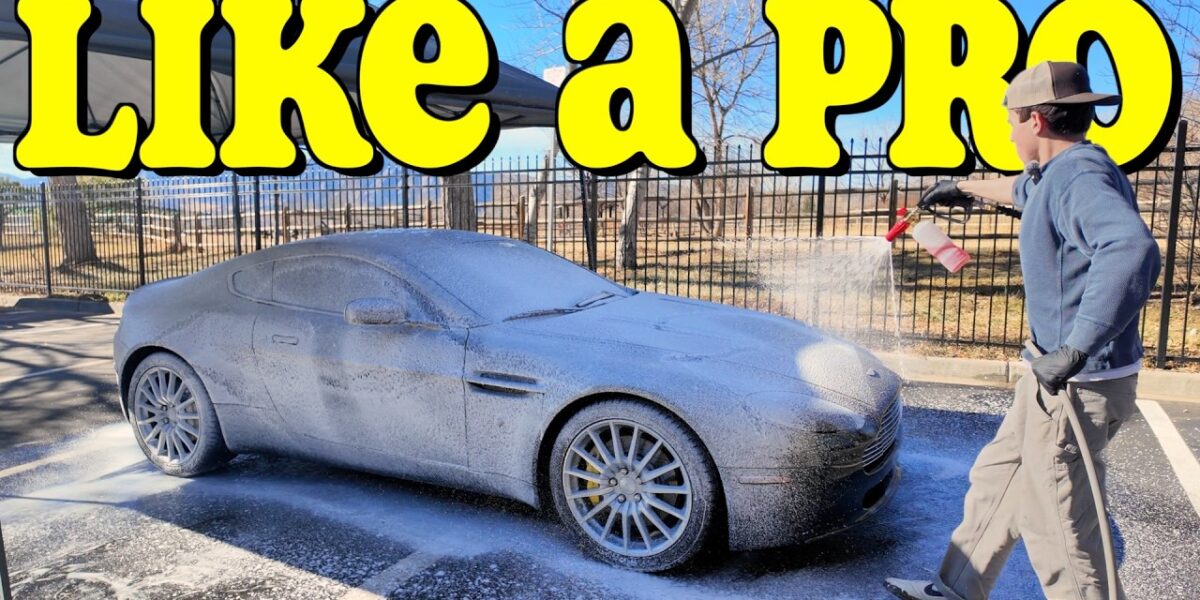
The first crucial step in safe and effective car washing is the pre-wash, often achieved through a foam cannon. This initial step is designed to lift and encapsulate as much dirt and grime as possible before any physical contact is made with the paint. Why is this so important? Imagine rubbing sandpaper over a dusty surface – that’s essentially what happens when you try to wash a dry, dirty car without loosening the contaminants first. High-pressure water alone can push dirt particles into the paintwork, causing microscopic scratches that lead to those dreaded swirl marks.
By applying a thick layer of foam, you give the dirt a chance to be lifted and suspended. Allowing this foam to dwell for a few minutes lets the cleaning agents work their magic, breaking down road film, bug splatter, and general grime. After the initial rinse, you can foam the car again before proceeding to the contact wash. This two-stage foaming process dramatically reduces the risk of scratching your paint during the washing phase.
Tackling Tough Areas: Engine Bays and Wheels
The engine bay and wheels often present unique challenges. For the engine bay, high-pressure water should be used with extreme caution. Sensitive components like airboxes, electrical connectors, and delicate wiring harnesses can be easily damaged. The key here is gentle scrubbing with a soft-bristle brush, supplemented by a light dusting with water from a distance (3-5 feet). Most of the cleaning should be done through mechanical agitation rather than brute force water pressure.
Wheels, being the ‘armpits’ of the car, are notoriously dirty and can contaminate your wash mitts and towels if not handled properly. It’s essential to use dedicated brushes and separate cleaning tools for wheels. Never cross-contaminate your wheel brushes with your paint brushes. This segregation ensures that the harsh brake dust and road grime from your wheels don’t end up on your car’s paintwork.
The Contact Wash: Minimizing Risk
When it comes to the actual washing of the paint, the mantra is lubrication and minimizing contamination. While the traditional two-bucket method is effective, a more advanced technique involves using multiple clean microfiber wash mitts or towels. The idea is to fold a plush microfiber towel eight times, providing a fresh, clean surface for each panel of the car. As you wipe down a section, you flip the towel to a clean side. This significantly reduces the amount of dirt transferred back onto the paint.
Lubrication extends to the drying process as well. Instead of sliding a dry towel across the paint, use a damp towel or a drying aid. Gently ‘pat’ or ‘blot’ the water off the surface. This approach minimizes friction, which is the enemy of a scratch-free finish. Even your drying towels should be plush and clean, never the same ones used for wheels or lower body panels.
Interior Deep Dive: Process and Precision
The interior cleaning follows a similar philosophy: process and precision. A top-to-bottom approach is generally recommended. Start by using compressed air (or a vacuum with a brush attachment) to dislodge dust and debris from crevices, vents, and seams. Let this loosened dirt fall to the floor or seats, where it can be vacuumed up later. This prevents simply pushing dirt around.
For actual grime and stains, an All-Purpose Cleaner (APC) is an invaluable tool for DIY detailers. Diluted correctly, an APC can tackle a wide range of interior surfaces, from dashboards to upholstery, without causing damage. Always test in an inconspicuous area first. Follow up with a dry microfiber towel to wipe away the loosened dirt and cleaner. The key is to work methodically, using the right tools and products for each task.
The Finishing Touch: Protection and Enjoyment
The final step in any detailing process is protection. Once the car is immaculate, applying a sealant or wax preserves the finish and makes future cleaning easier. A short-term spray sealant is an excellent option for those looking for a quick, affordable way to add shine and protection. These products don’t require extensive application time but offer noticeable benefits.
When applying sealants, use clean, plush microfiber towels. Spraying the product directly onto the towel rather than the paint offers more control, preventing overspray onto glass or plastic trim, which can sometimes cause staining or residue. Apply in even strokes, allow it to haze slightly, and then gently buff off the excess with a separate clean towel. The goal is to level the product without applying excessive pressure.
Value and Who It’s For
Detailing isn’t just for show cars. It’s for anyone who takes pride in their vehicle. The techniques described here, while demonstrated on an Aston Martin, are universally applicable. The ‘average Joe’ can achieve stunning results by adopting these principles. The investment in good quality microfiber towels, a foam cannon, and a reliable APC will pay dividends in the long run, preserving the car’s appearance and potentially its resale value.
The true value of detailing lies not just in the visual transformation but in the mindful process. It’s an opportunity to connect with your car, to appreciate its design, and to ensure it remains in the best possible condition. It can be a therapeutic activity, a chance to switch off and focus on a tangible, rewarding task. So, whether you own a supercar or a sedan, embrace the art of detailing – your car will thank you for it.
Source: 5 Tips for the Average Joe to Detail & Make Your Car SHINE Like a Pro! (YouTube)

Related Articles


Aston Martin DBX S: The Super SUV Gets Even More Super
The Aston Martin DBX S elevates the super SUV with a potent 717 hp V8, significant weight reductions, and enhanced agility. While its $400,000+ price tag is steep, it offers a unique, uncompromised driving experience for the ultra-wealthy.


Aston Martin V12 Vanquish: A British Beast Reborn
The Aston Martin V12 Vanquish redefines the grand tourer with a thunderous V12, breathtaking design, and exhilarating performance. Despite its stratospheric price and a few quirks, it stands as a compelling, albeit extravagant, statement of automotive passion.


Aston Martin’s Electric Future is Here: The RapidE
Aston Martin has officially launched the all-electric RapidE, marking a significant step into the EV market. Boasting impressive performance figures and luxurious craftsmanship, the RapidE aims to redefine the electric luxury sedan segment.