Primaries Set Stage for 2024 Election Battle
Early primary results are setting the stage for a closely contested 2024 election cycle, with significant implications for the balance of power in Washington. The outcomes will dictate the legislative agenda and the ability of President Trump's policies to advance.

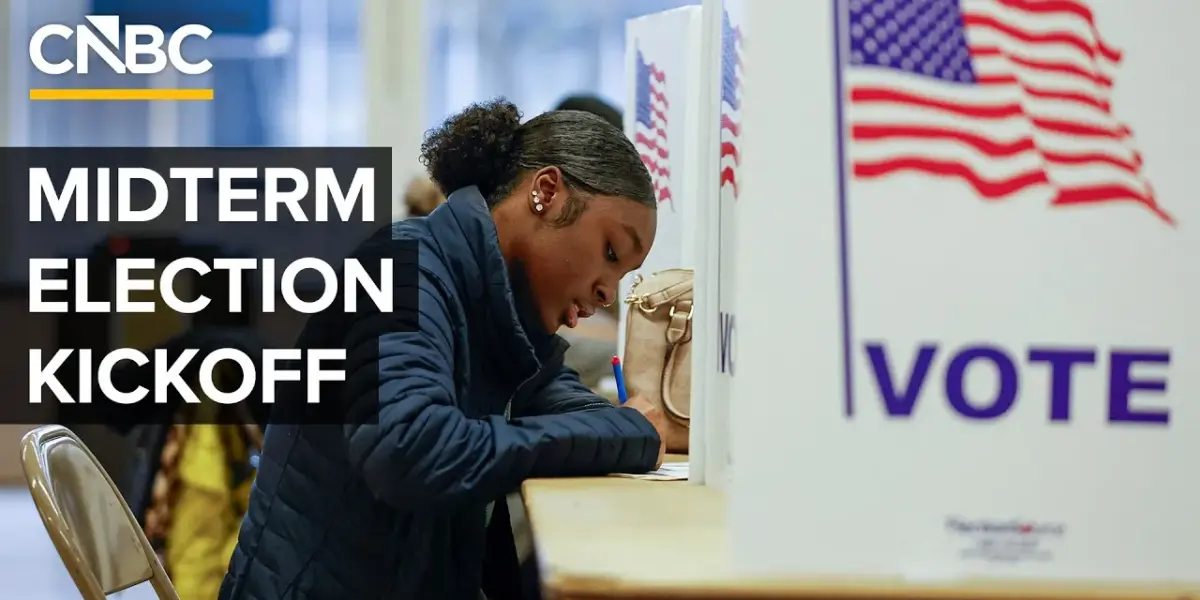
Primaries Signal Fierce 2024 Electoral Landscape
The upcoming primary elections are poised to shape the political landscape and dictate the legislative possibilities in Washington D.C. for the next two years. The outcomes of these initial contests, beginning March 3rd in Arkansas, North Carolina, and Texas, will set the tone for how effectively President Donald Trump’s agenda can be advanced or challenged.
A Democratic victory in either or both chambers of Congress would empower them to act as a significant check on the current administration. Conversely, Republican retention of both the House and Senate would ensure continued support and advancement of President Trump’s policies.
Texas Takes Center Stage in Early Primaries
Texas stands out as the most consequential state in this initial round of primaries. Both major parties are experiencing highly competitive and, at times, contentious intra-party battles, underscoring the closeness of the stakes.
On the Republican side, incumbent Senator John Cornyn faces a significant challenge from Texas Attorney General Ken Paxton and Congressman Wesley Hunt. Paxton, a staunch ally of the Trump administration and a prominent figure within the MAGA movement, presents a more ideologically aligned alternative to Cornyn, who is perceived as a more traditional Republican figure.
The Democratic primary is equally intense, featuring a competitive race between Congresswoman Jasmine Crockett and State Representative James Talarico. This contest highlights the deep divisions and vigorous engagement within the Democratic party as it seeks to field its strongest candidates.
Midterm Outlook: House Majority in Play
The general midterm elections, scheduled for November 3rd, will see all 435 House seats and 35 Senate seats up for re-election. The Democratic party currently holds a slight advantage heading into the midterms and is widely considered likely to regain control of the House of Representatives.
Factors Favoring Democrats in the House
Several key factors contribute to this outlook:
- Historical Precedent: Historically, the party out of power tends to perform exceptionally well in midterm elections. In the current cycle, this advantage falls to the Democrats.
- Favorable Math: Democrats need to flip only three additional seats to secure a House majority. This is an achievable target given the current distribution of power. The Cook Political Report identifies 18 races as toss-ups, with 14 of these held by Republicans and only four by Democrats, indicating more opportunities for Democratic gains.
- National Political Climate: National polling data indicates a majority of Americans currently express a preference for voting Democrat, reflecting a national atmosphere that may favor the party.
The Senate Battle: A Higher Hurdle
Winning control of the Senate presents a more formidable challenge for the Democrats. Beyond flipping seats in states like Maine and North Carolina, they would need to secure victories in two of the following four states: Alaska, Ohio, Iowa, or Texas. While Democrats have fielded strong candidates in these races, the path to a Senate majority is considerably more difficult.
Furthermore, Democrats must defend their existing Senate seats, which could prove challenging in states such as Michigan, where a contentious primary is already underway, as well as Georgia and New Hampshire.
Challenges for the Republican Party
The Republican party faces significant headwinds, including a decline in President Trump’s popularity and high disapproval ratings. Several policies enacted by the Trump administration have faced criticism, even from within his own party. For instance, the impact of tariffs on prices has been a persistent concern for Republicans.
Recent events, such as the shootings in Minnesota, have also generated unease among Republicans on Capitol Hill, with some expressing concerns that such incidents could negatively affect their electoral prospects in November.
Intra-Party Dynamics and Future Concerns
Looking ahead, the Democratic party may face challenges in the 2026 midterm elections, particularly if it struggles to achieve party unity following the 2024 elections. Internal divisions, exemplified by contests between moderate and progressive Democrats in various primaries, highlight ongoing debates about the most effective strategies to engage the electorate.
The outcomes of these primaries will not only determine immediate legislative power but also signal the broader political trends and voter sentiments that will shape national policy for years to come.
Market Impact
The political alignment of Congress has direct implications for market stability and policy direction. A divided government, or a government controlled by a single party, can lead to different economic outcomes. For instance, shifts in tax policy, regulatory frameworks, and government spending priorities are all influenced by which party controls the legislative agenda. Investors often react to perceived stability or instability in policy, which can translate into volatility across various asset classes, including equities, bonds, and commodities. The potential for either a check on presidential power or a continuation of the current administration’s agenda can influence investor confidence and strategic allocation decisions.
What Investors Should Know
Investors should monitor the primary results closely as they provide early indicators of the potential political landscape for the upcoming general election. The control of Congress, particularly the House, is a key determinant of legislative action. A Democratic House could lead to increased scrutiny of the executive branch and potentially different legislative priorities, such as infrastructure spending or environmental regulations. Conversely, a Republican-controlled Congress would likely continue to prioritize deregulation and tax policies favorable to businesses. Understanding these potential shifts is crucial for assessing sector-specific risks and opportunities, as well as for anticipating broader economic policy changes that could impact investment portfolios.
Source: Here’s What’s At Stake In Tuesday’s Big Primaries (YouTube)

Related Articles


MTG’s Warning: Trump Eyes Midterm Election Sabotage
Even Marjorie Taylor Greene is now voicing concerns that Donald Trump might attempt to cancel the upcoming midterm elections. This alarming sentiment, echoed by conservative podcaster Shannon Joy, highlights a worrying willingness within some political circles to explore extreme measures. While legal barriers exist, the uncertainty surrounding the potential response from Congress and the courts creates a deeply unsettling scenario for the future of democratic processes.


Trump Faces MAGA Backlash Over Iran War Stance
President Trump is facing internal backlash from key MAGA figures over the rationale behind the strikes on Iran. Critics cite confusing messaging and a disconnect with base priorities like the economy and the Epstein case. This dissent comes as analysts note falling Republican enthusiasm and potential Democratic gains with young male and Latino voters.


Dem Rep: Trump Ignores Congress on Iran War
Democratic Congressman Gregory Meeks criticizes President Trump's unilateral approach to the military conflict in Iran, demanding transparency and adherence to congressional oversight. Meeks questions the administration's unclear objectives and draws parallels to past failed military interventions.