President’s War Rhetoric Sparks 25th Amendment Calls
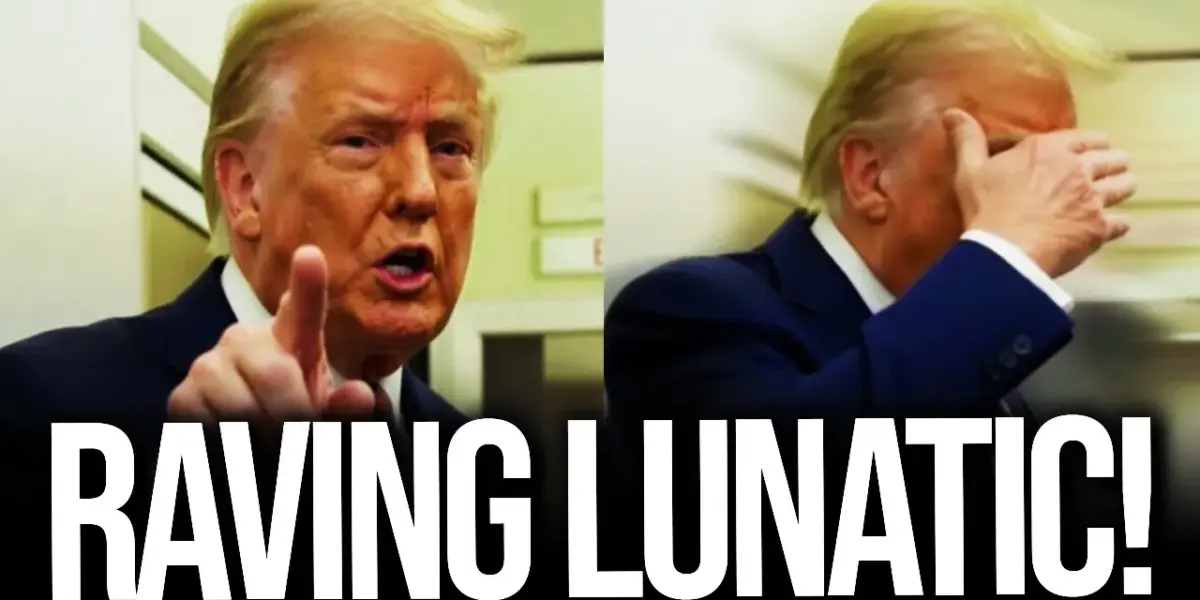
President Trump's aggressive response to questions about fallen service members and the ongoing war has reignited calls for the 25th Amendment. The situation highlights concerns over leadership, international relations, and the role of media in holding power accountable.

President’s War Rhetoric Sparks 25th Amendment Calls
The recent actions and statements by President Donald Trump surrounding a conflict he initiated have ignited a fervent debate, with critics calling for the invocation of the 25th Amendment. The core of the concern centers on the President’s reported reaction to the deaths of US service members and his handling of questions regarding the ongoing war and its economic and human costs.
A Commander-in-Chief Under Fire
Reports from Air Force One depict a president visibly agitated, allegedly snapping at reporters who sought to inquire about the loss of life and the strategic direction of the conflict. The narrative suggests a pattern of dismissing legitimate journalistic inquiries as “fake news” and questioning the presence of reporters on official travel. This behavior, according to critics, indicates a detachment from the gravity of the situation and a lack of a clear plan, leading to the assertion that the President is no longer serving the country’s best interests.
The 25th Amendment: A Last Resort?
Section 4 of the 25th Amendment to the U.S. Constitution provides a mechanism for removing a president from office if they are deemed unable to discharge the powers and duties of their office due to “inability.” Proponents of invoking this amendment argue that the President’s alleged erratic behavior, including what is described as an “apathetic” stance towards fallen soldiers and a perceived “mental break,” warrants such action. The transcript highlights specific instances of the President allegedly ignoring questions about service members’ deaths and reacting defensively to inquiries about troop deployments.
Concerns Over Presidential Demeanor and Health
Beyond the political and strategic implications, the transcript also touches upon the President’s physical appearance and demeanor. Observations of alleged physical ailments, such as swollen ankles and the application of makeup or concealer, are presented as indicators of a broader struggle with health that may be exacerbating his psychological state. While these details are personal, they are framed within the context of leadership, suggesting that personal well-being is intertwined with the capacity to govern effectively, especially during times of national crisis.
Exploitation of Tragedy and Fundraising Tactics
A particularly contentious point raised is the President’s campaign’s alleged use of a photo from a “dignified transfer” of fallen service members in a fundraising email. Critics deem this act as profoundly inappropriate and exploitative, capitalizing on national tragedy for political gain. The President’s reported response to questions about this tactic—denying knowledge or deflecting by asserting his strong support for the military—is seen by detractors as further evidence of a disconnect from ethical standards and public sentiment.
International Relations and Alliances Under Strain
The analysis extends to the President’s interactions with international allies. The transcript details a perceived pattern of alienating key partners, including NATO members and other nations, through critical rhetoric and demands for assistance. When the President subsequently sought multinational support for naval operations in the Strait of Hormuz, a significant number of countries reportedly rejected or expressed hesitation. This isolation is attributed to the President’s prior disparagement of these same allies, creating a paradox where assistance is needed but trust and cooperation have been eroded.
“The commander-in-chief of our military cannot even give an answer about service members dying.”
Historical Context and Precedents
While the 25th Amendment has been proposed for previous presidents, its actual invocation remains a rare and significant event in American political history. The current debate echoes past concerns about presidential fitness and conduct during times of war and national stress. The transcript draws parallels between the President’s current communication style and his past use of power dynamics to silence dissent or criticism, particularly in interactions with the press.
The Role of Media and Public Discourse
The transcript underscores the critical role of the media in holding power accountable. The President’s repeated attacks on news organizations as “corrupt” and his labeling of specific outlets as the “most corrupt news organizations on the planet” are presented as attempts to undermine journalistic integrity and control the narrative. This dynamic is viewed as particularly dangerous when the nation is engaged in conflict and requires accurate information to be disseminated to the public.
Why This Matters
The events described have profound implications for national security, international diplomacy, and the stability of democratic institutions. A president’s perceived inability to engage constructively with allies, to acknowledge the sacrifices of service members, or to communicate clearly and empathetically during a crisis can have far-reaching consequences. The debate over the 25th Amendment, while extreme, highlights deep-seated anxieties about presidential competence and the potential for individual actions to destabilize both domestic and foreign policy.
Implications, Trends, and Future Outlook
The current situation points to an ongoing trend of heightened political polarization and a challenging media environment. The President’s communication style, characterized by aggressive rhetoric and a dismissive attitude towards criticism, has become a defining feature of his presidency. If this approach continues, it could lead to further erosion of trust in institutions, increased international isolation, and a persistent questioning of leadership effectiveness during critical junctures. The future outlook suggests a continued struggle to balance presidential authority with the need for accountability and stable governance, particularly when faced with complex geopolitical challenges and domestic divisions.
Source: Trump SNAPS on EVERYONE over 25th AMENDMENT SHOCK (YouTube)

Related Articles
Trump’s “Walk Away” Tactic Signals Tougher Stance on China
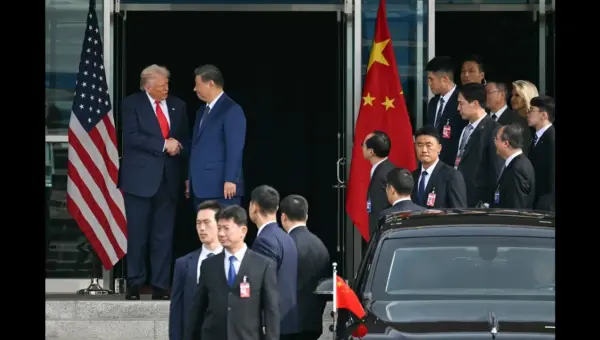
Retired Air Force Brigadier General David Stillwell believes President Trump's strategy of being willing to walk away from negotiations puts pressure on China. This tactic, combined with US global actions and strengthened alliances, signals a more assertive American foreign policy.
Trump’s Name Everywhere: A ‘Stain’ on GOP Legacy?
Former President Donald Trump's efforts to brand national symbols, including a proposed signature on dollar bills, spark debate. Critics view this as an authoritarian attempt to embed his legacy, potentially staining the Republican Party's history and contrasting with democratic ideals of public ownership.
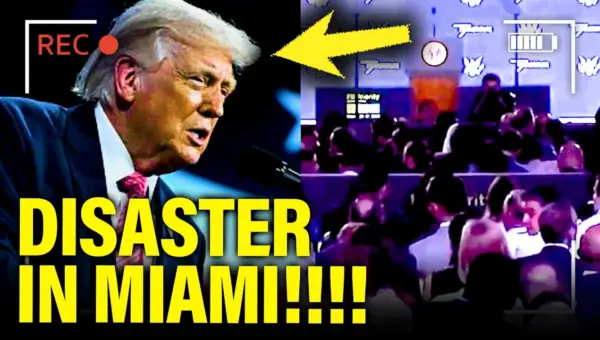
Trump’s War Talk Stuns Financial Crowd
Donald Trump's recent speech in Miami focused on his foreign policy, particularly his critical views on NATO and his vision for international relations. He declared the U.S. would no longer defend NATO allies, questioned the value of existing alliances, and suggested renaming the Strait of Hormuz. The speech also touched on his personal views of success, his allies, and his perceived role as a global peacemaker.