Presidential Slumber: Was Trump’s Nap a Security Risk?
A video showing former President Trump appearing to doze during a war briefing has ignited debate. While some dismiss it as fatigue, critics question his focus on national security. The incident highlights intense public scrutiny on political leaders.

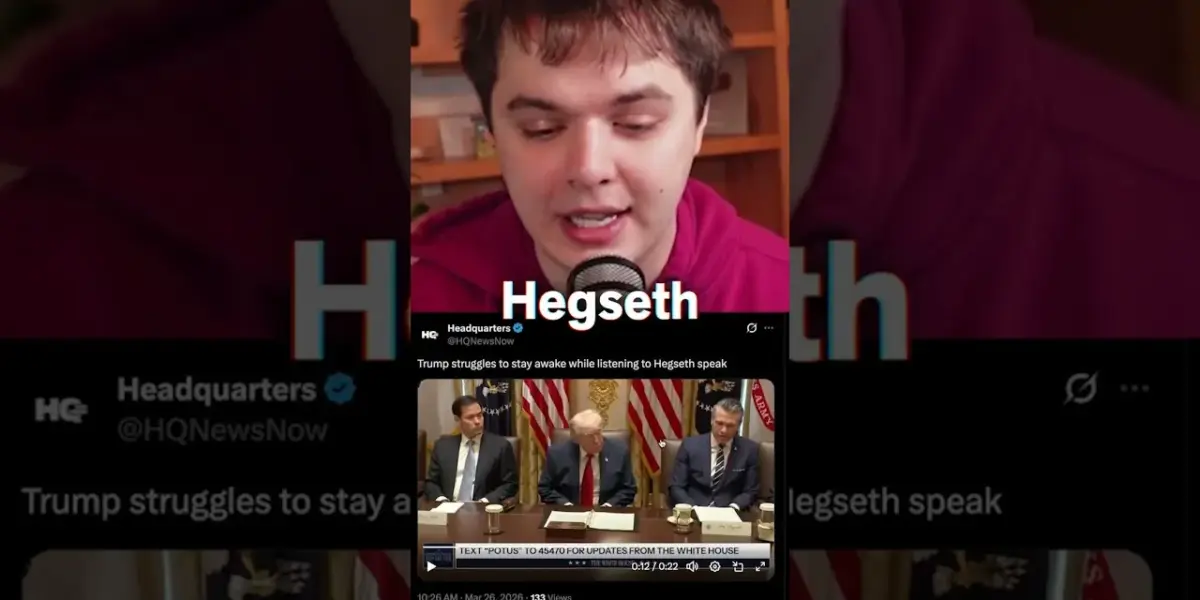
Presidential Slumber: Was Trump’s Nap a Security Risk?
A recent video clip has sparked a debate about former President Donald Trump’s attentiveness during a war briefing. The footage shows Trump appearing to doze off while General Pete Hagerty, identified as a speaker, outlines military objectives. This moment, captured and shared online, raises questions about focus and readiness in high-stakes government meetings.
The video highlights a specific instance where General Hagerty is explaining “Operation Epic Fury.” He describes it not as a lengthy conflict but as a “decisive campaign with clear objectives to destroy.” The general’s speaking style is characterized by one observer as “ChatGPT military slam poetry,” suggesting a dramatic or perhaps overly performative delivery.
Debate Over Delivery and Demeanor
The commentary accompanying the clip criticizes Hagerty’s presentation, stating, “Every single time Pete Hagath speaks, it’s military slam poetry.” The observer further notes that “nobody likes him speaking like this,” implying a general dissatisfaction with his approach, even from those in attendance. The core issue, according to this viewpoint, is Trump’s apparent lack of engagement, with the observation, “He’s falling asleep.” This is framed as a significant event, with the remark, “This is stuff for the history books.”
Historical Context of Presidential Focus
Presidential attentiveness during briefings is not a new concern. Leaders throughout history have faced scrutiny over their engagement levels. The demands of the presidency are immense, requiring constant vigilance and the ability to process vast amounts of complex information. Briefings on national security, military operations, and international crises are critical. A leader’s ability to stay alert and absorb these details directly impacts decision-making, which can have far-reaching consequences.
Past presidents have also dealt with challenges related to fatigue and maintaining focus during long days and demanding schedules. The presidency is often described as the most stressful job in the world. The sheer volume of information and the weight of responsibility can be overwhelming. Therefore, moments of perceived inattention, whether due to fatigue or other factors, often draw public attention and scrutiny.
Interpreting the Event
The interpretation of Trump’s actions in the video varies. Supporters might argue that he was simply resting his eyes for a moment, a common occurrence for anyone facing long periods of intense listening. They might also point to his overall record and argue that his strategic thinking and decision-making capabilities were not diminished by this brief moment. The focus, from this perspective, should be on the substance of the briefing and the effectiveness of the military operation, not on a fleeting visual.
Critics, however, see this as further evidence of a lack of seriousness or dedication to national security matters. They might argue that a president, or a former president involved in national security discussions, should always be alert and engaged, regardless of the speaker’s style or the length of the meeting. For them, the visual of a leader appearing asleep during a war briefing is deeply concerning and reflects poorly on their fitness for duty or their respect for the gravity of the situation.
Why This Matters
The attentiveness of a leader during security briefings is paramount. These are not ordinary meetings; they involve critical information that shapes national defense policy and can affect the lives of soldiers and civilians. A lapse in attention, however brief, could theoretically lead to missed crucial details or a misunderstanding of complex threats. The perception of a leader’s focus also impacts public confidence and the perception of national strength by allies and adversaries alike.
This incident also touches on the broader public discourse surrounding political figures. Moments like these are often amplified by social media, becoming symbols that are used to reinforce pre-existing opinions about a candidate or leader. The way such events are framed and shared can significantly influence public perception, sometimes overshadowing the actual issues at hand.
Implications, Trends, and Future Outlook
The incident reflects a trend where even brief moments captured on video can have significant political repercussions. In the age of instant communication and viral content, every action, or perceived inaction, of public figures is under constant observation. This puts immense pressure on individuals in the public eye to maintain a flawless appearance, even in private or semi-private settings.
Looking ahead, the scrutiny on political leaders’ focus and engagement is likely to intensify. As technology advances, more moments will be captured, and the ability to control narratives will become even more challenging. Future leaders will need to be acutely aware of their public image and the potential impact of even minor perceived lapses in judgment or attentiveness. The question of how much focus is ‘enough’ during demanding governmental duties will continue to be a subject of public debate.
Ultimately, the video of Trump appearing to sleep during a war briefing serves as a stark reminder of the intense public scrutiny faced by political figures. It raises important questions about leadership, focus, and the perception of readiness in critical national security contexts. While interpretations may differ, the event underscores the lasting impact of visual moments in shaping political narratives.
Source: Trump Falls Asleep During War Briefing #politics #fyp #new (YouTube)

Related Articles

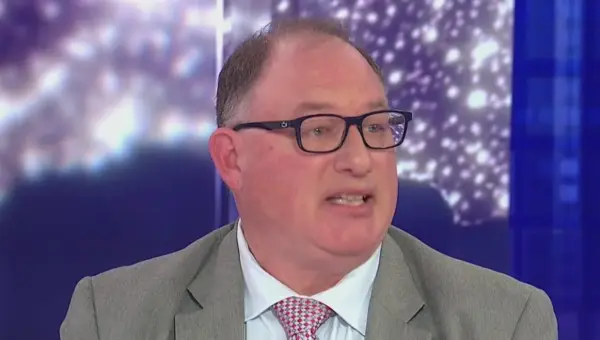
Iran Hacks FBI Chief, Exposing U.S. Cyber Vulnerabilities
A recent hack of FBI Director Kash Patel's personal email by an Iran-linked group highlights Iran's growing cyber threat to the U.S. Experts explain how simple security oversights are exploited, emphasizing the need for basic defenses like two-factor authentication to protect against propaganda and potential infrastructure attacks.
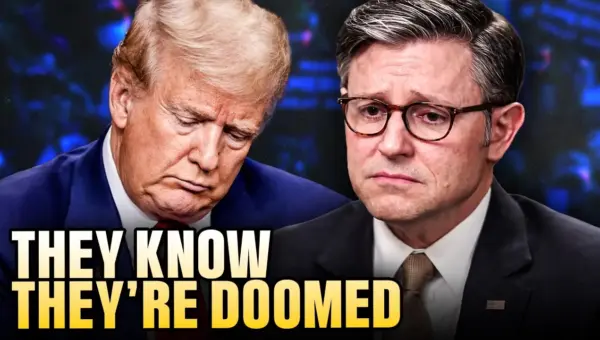
Polls Spell Doom: Republicans Face Voter Backlash
New polling data reveals a sharp decline in public confidence regarding the economic impact of Republican policies, particularly under Donald Trump. A significant majority now feel financially worse off, a trend that is especially pronounced among independent voters. This economic discontent poses a major challenge for the Republican party heading into future elections.

DHS Funding Crisis Sparks Chaos, Congressman Blames Poor Communication
Congressman Darrell Issa blames "failure to communicate" for the DHS funding crisis leading to unpaid TSA agents and airport chaos. The House is preparing a short-term bill as security concerns rise.