President vs. Iran: Markets Doubt US Leader
Financial markets recently showed skepticism towards US President's statements, appearing to trust Iran's denials more. This unusual event highlights the critical role of credibility in global affairs and market reactions.

Markets Question US President’s Word Over Iran’s
Financial markets recently sent a surprising message. They seemed to trust the word of Iran’s leaders more than the President of the United States. This happened during a time when the US President claimed to be talking with Iran. However, Iran denied any such conversations took place. This situation left many wondering who was telling the truth about future events.
A Tale of Two Statements
The confusion began when the US President announced he had been speaking with Iranian officials. Almost immediately, Iran’s representatives stated that no one from the US had contacted them. This created a stark disagreement. People then had to decide who to believe. Was the US President accurately sharing information, or was Iran’s denial the real story?
This wasn’t just a simple political argument. The reaction of financial markets showed how serious this was. When the President made his announcement, stock markets rose. This suggested investors felt some confidence. But when Iran denied the talks, markets fell. This sharp drop indicated that traders believed Iran might be telling the truth. They seemed to think the President’s statement was not reliable.
Trust and Transparency in Global Affairs
This event raises important questions about trust. In global politics, clear communication is vital. When leaders speak, the world listens, especially financial markets that react quickly to news. These markets try to predict the future based on the information they receive. If the information is mixed or contradictory, it creates uncertainty. This uncertainty can lead to financial instability.
The situation also highlights a potential disconnect. It seems the President’s words were not seen as the most credible source of information about US actions. Instead, the market found more reason to believe the opposing side. This is an unusual position for any national leader. It suggests a possible lack of confidence in the official statements coming from the highest levels of government.
Historical Context: The Baghdad Bob Effect
This kind of situation can be compared to what some call the ‘Baghdad Bob’ effect. This nickname came from a former Iraqi information minister during the 2003 invasion of Iraq. He famously made statements that seemed to deny reality, even as events unfolded differently. In essence, it describes a situation where official statements seem out of touch with what is actually happening.
In this recent case, the financial markets acted as the ultimate judge. They reacted to the denial from Iran, showing they were skeptical of the US President’s claims. This implies that the markets were prepared to believe the US President might have been misleading the public. They also thought Iran was more likely to be honest about the situation.
Why This Matters
The trust placed in a nation’s leader is crucial for its stability. When financial markets doubt the word of their own president, it can have serious consequences. It affects investor confidence, which can impact economic growth. It also influences how other countries view the United States. If other nations believe US statements are unreliable, it can complicate international relations and negotiations.
This event suggests a moment where clarity and truthfulness are being tested. It forces a re-evaluation of how information is presented and received. In a world that relies heavily on accurate information for decision-making, such doubt can be destabilizing. The markets’ reaction serves as a powerful signal about perceived credibility.
Implications and Future Outlook
The implications of this event are far-reaching. It points to a need for greater transparency and consistency in official communications. Leaders need to ensure their words align with reality to maintain public and global trust. The markets’ willingness to question the President suggests a growing public and investor demand for truth.
Looking ahead, this incident could influence how political leaders communicate. It might encourage more careful wording and a greater effort to ensure accuracy. The financial world will likely continue to watch closely, ready to react to any discrepancies. The balance of trust between governments and markets remains a key factor in global economic health.
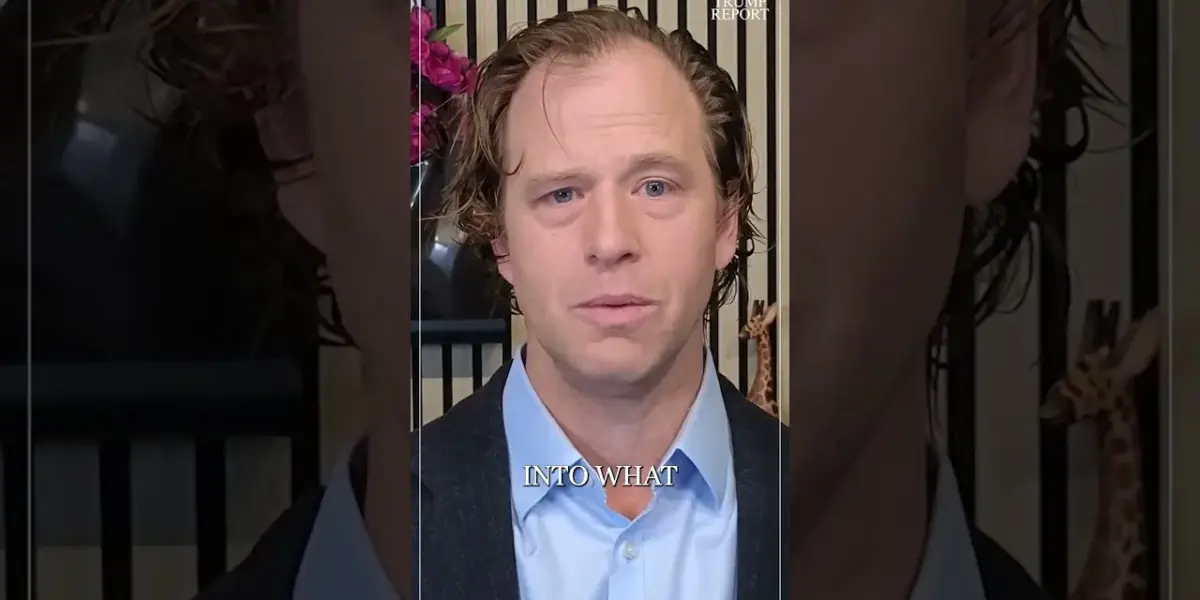
Source: 'Who do I believe more, the America President or Iran?' Justin Wolfers (YouTube)

Related Articles
House Republicans Reject Senate Deal, Sparking Government Funding Clash
House Republicans have rejected a Senate bill to end the government shutdown, citing insufficient border security measures. Congressman Randy Fine called the Senate deal a "disgrace" and highlighted the ongoing fight for full government funding. President Trump's executive order to pay TSA agents offers temporary relief, but the core disagreement over border security continues to paralyze Washington.
Voter ID: Common Sense or Suppression?
A growing debate surrounds voter ID laws, with proponents calling them a common-sense measure against fraud and opponents fearing voter suppression. Many countries and U.S. states already require ID to vote.

MAGA Voters Divided Over Potential Iran War
The potential for a US war with Iran has sparked debate at CPAC, revealing a divided MAGA base. While some support military action, many express concerns over prolonged conflicts and rising economic costs, particularly higher gas prices.