President Golfs as Middle East War He Ignited Escalates
Former President Donald Trump's decision to golf amidst a raging Middle East conflict, reportedly initiated by him, has drawn sharp criticism. His choice of attire at a dignified transfer ceremony for fallen soldiers has further ignited public outrage.

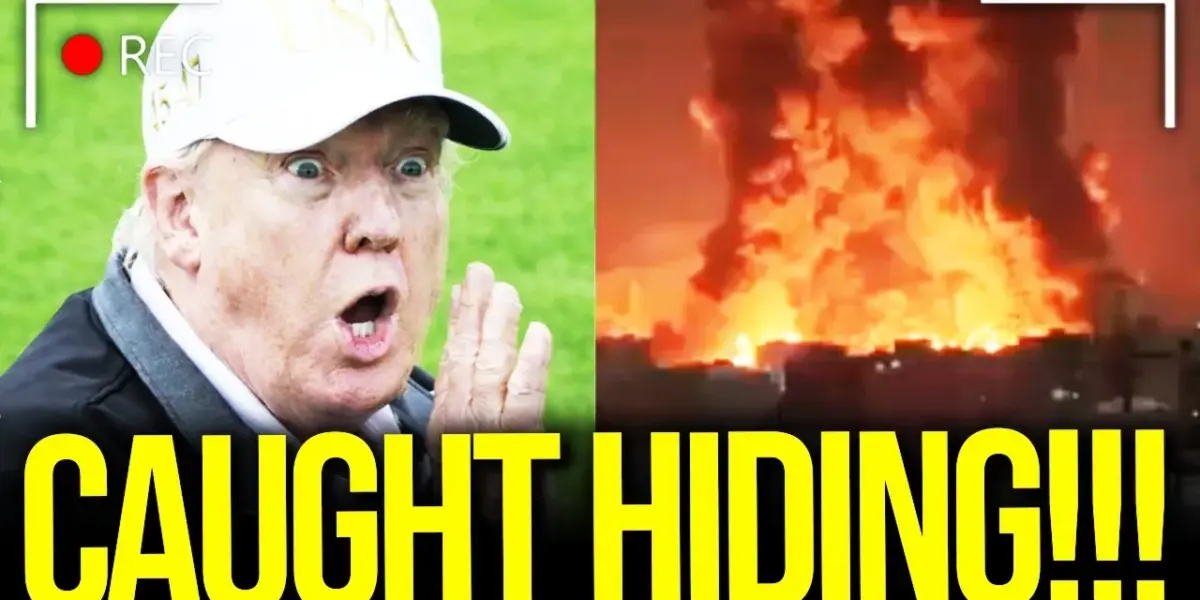
President Golfs as Middle East War He Ignited Escalates
In a stark display of what critics are calling apathy and a disturbing prioritization of personal leisure over national crisis, former President Donald Trump has been observed engaging in rounds of golf at his Florida resort while a significant regional conflict, which he is accused of initiating, rages in the Middle East. The situation has led to thousands of deaths, strained international relations, and significant economic repercussions, including a substantial spike in oil prices.
A War Ignited, A President at Play
The conflict, now in its eighth day at the time of this report, has drawn condemnation for its origins and the perceived detachment of the former president. Reports indicate that Trump, alongside Israeli Prime Minister Netanyahu, played a key role in escalating tensions that led to the current hostilities. The human cost has been immense, with thousands of lives lost not only in Iran and Lebanon but also among US service members. This grim reality stands in stark contrast to Trump’s chosen activities.
The Hat Incident: A Symbol of Disrespect?
One of the most contentious aspects highlighted by observers is Trump’s attire during this period. On the same day he was seen golfing at his Doral, Florida resort, he was reportedly wearing the same ‘USA’ emblazoned baseball cap he had worn the previous day at a dignified transfer ceremony for six fallen US service members. This detail has been widely decried as deeply offensive and disrespectful to the sacrifices made by those in uniform. The visual juxtaposition of a leader engaging in leisure activities in the same cap worn to honor the war dead has ignited outrage among critics, who view it as a profound lack of solemnity and a dismissive attitude towards the gravity of the situation.
A Pattern of Golfing Amidst Crisis
This is not an isolated incident. The transcript suggests a pattern of Trump prioritizing golf, even during critical moments of national and international import. Reports indicate he has golfed approximately six times since the onset of the conflict, with officials allegedly adjusting schedules to accommodate his golfing activities. Instances cited include golfing on February 28th while overseeing initial operations, on March 1st amidst criticism of optics, on March 2nd at a course adjacent to Mar-a-Lago, and on March 3rd reportedly opting for golf over returning to Washington D.C. for briefings. Further rounds were noted on March 7th and March 8th.
Estimates suggest that Trump has spent a significant portion of his presidency on the golf course, with figures cited as high as 97 out of 413 days, equating to nearly a quarter of his term. This has reportedly cost taxpayers an estimated $135 million, a figure that pales in comparison to the escalating costs of the current war, estimated at $1 billion per day, with a $50 billion funding request pending before Congress.
International Ramifications and Shifting Alliances
The conflict’s reach extends far beyond its immediate theater. Thirteen countries have reportedly been affected or involved, with other nations stepping in to support the United States. British Prime Minister Keir Starmer reportedly discussed the Middle East situation with Trump, highlighting the international dimension of the crisis and the diplomatic engagements occurring, even as the former president engages in recreational activities.
Calls for Escalation and the Specter of a Draft
Adding to the alarm are reports that Trump has privately expressed serious interest in deploying US ground troops into Iran. This prospect has been met with significant concern, particularly in light of hawkish statements from figures like Senator Lindsey Graham, who, according to the transcript, has been vocal on Fox News about escalating the conflict, even suggesting potential financial gains. The possibility of a military draft has also been raised, a move that critics fear would disproportionately affect ordinary Americans and the children of Trump supporters, rather than those who advocate for war from a distance.
Media’s Role and Public Perception
The media’s coverage of these events has also come under scrutiny. Fox News, for instance, is accused of misrepresenting the dignified transfer ceremony by showing older footage, allegedly to obscure the fact that Trump wore the same cap to honor fallen soldiers as he did to golf. The network later issued an apology for airing incorrect footage, a move that some interpret as an attempt to manage the narrative surrounding Trump’s actions.
The transcript posits that if Joe Biden were to golf during a war, the MAGA base would react with intense criticism, drawing parallels to January 6th. However, the current situation, with Trump golfing amidst a raging conflict, has reportedly been met with less public outcry from his supporters, a double standard that critics find deeply troubling.
Why This Matters
The events described raise critical questions about leadership, priorities, and accountability during times of national crisis. The perceived disconnect between the gravity of a burgeoning regional war and the leisure activities of a former president is not merely a matter of optics; it speaks to the fundamental responsibilities of those in positions of influence. The economic impact of escalating conflicts, including rising oil prices and the immense financial cost of military operations, directly affects the lives of ordinary citizens, particularly those already struggling. Furthermore, the potential for wider escalation, including the deployment of ground troops and the specter of a draft, carries profound implications for national security and the well-being of American families.
Implications, Trends, and Future Outlook
This situation highlights a concerning trend of political figures appearing detached from the realities of conflict and its human cost. The normalization of such behavior, particularly when coupled with aggressive rhetoric advocating for escalation, poses a significant risk to international stability. The economic consequences of prolonged conflict in the Middle East are likely to be far-reaching, impacting global energy markets and potentially triggering broader economic downturns. The future outlook suggests a continued need for vigilant scrutiny of leadership decisions, a demand for transparency in foreign policy, and a public discourse that prioritizes the sober assessment of risks and consequences over partisan loyalty.
Historical Context and Background
The current conflict echoes historical patterns of escalating Middle Eastern tensions and the complex interplay between geopolitical interests, regional dynamics, and domestic political considerations. The history of US involvement in the Middle East is replete with examples of interventions that have led to unforeseen and often devastating consequences. The decision-making processes leading to military action, the justification for such actions, and the public’s perception of these events are all shaped by this historical context. The current situation demands a careful examination of whether past lessons are being heeded or whether history is indeed poised to repeat itself, with potentially dire outcomes.
The transcript also touches upon the broader societal implications, particularly the potential for a draft. Historically, calls for conscription have been highly contentious and have often divided the nation. The notion that a draft could target specific demographics or that it could be initiated by those who have not themselves served raises concerns about fairness and equity in the burdens of war.
Ultimately, the narrative presented is one of profound concern regarding the leadership’s response to a critical international crisis. The perceived indifference of a prominent political figure to the unfolding tragedy, juxtaposed with the immense human and economic costs, serves as a potent symbol of the challenges in maintaining a responsible and accountable foreign policy in an increasingly volatile world.
Source: Trump RUSHES TO GOLF as TERROR ERUPTS (YouTube)

Related Articles
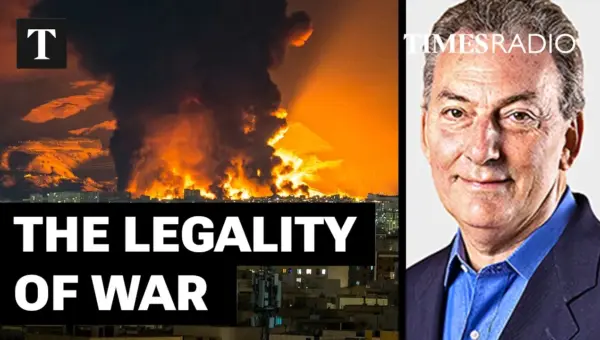
Trump’s Iran Attack: Legal or Illegal War? Experts Weigh In
Experts are questioning the legality of the US-led offensive in Iran, noting that true 'legal gold standard' wars, authorized by UN Security Council resolutions, are exceptionally rare. The conflict's objectives, potential for internal unrest in Iran, and the differing strategies between the US and Israel are under intense scrutiny as the situation develops.

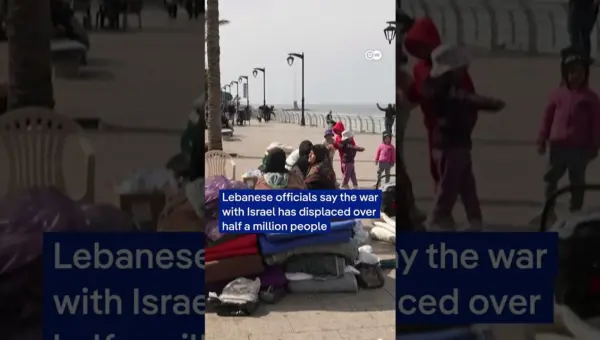
Israel Strikes Beirut Suburbs, Escalating Regional Tensions
Israel has renewed airstrikes on Beirut's southern suburbs, targeting financial institutions linked to Hezbollah. This escalation follows Hezbollah's retaliatory attacks on Israel after the killing of Iranian Supreme Leader Ayatollah Ali Khamenei.
Iran Conflict Backfires: Trump’s War Fuels Unrest, Profits
Donald Trump's approach to Iran is reportedly backfiring, fueling public unrest in Tehran and sparking accusations of family members seeking to profit from a new drone company. The conflict's economic impact is evident with disruptions to oil infrastructure, while political rhetoric focuses on internal divisions.