Powell’s Fed Stance Sparks Investor Concern, Economic Debate
Federal Reserve Chairman Jerome Powell's comments about his tenure are creating market uncertainty and a potential legal battle with President Trump. Expectations for Fed rate cuts have diminished, impacting investor outlook. Economic forecasts remain divided on recession risks.

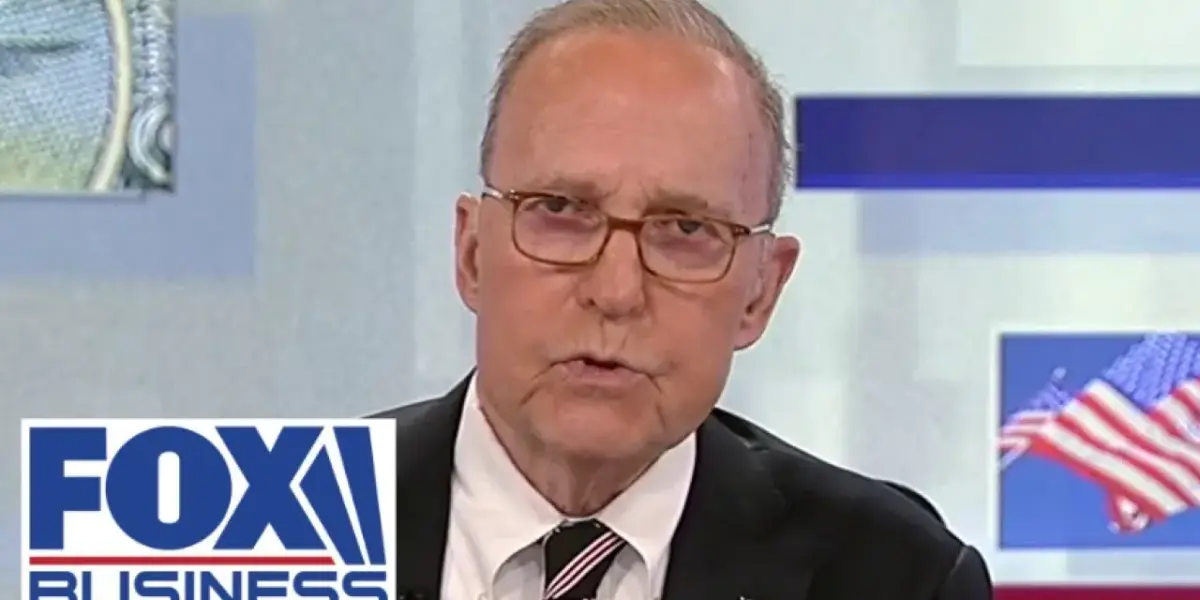
Powell’s Fed Stance Sparks Investor Concern, Economic Debate
Federal Reserve Chairman Jerome Powell’s recent comments and actions are creating ripples in the financial markets, overshadowing economic forecasts and potentially leading to a legal showdown with President Donald Trump. Powell’s assertion that he has no intention of leaving the Fed until a Justice Department investigation is resolved has raised eyebrows among economists and investors alike.
Powell’s Remarks Sink Stocks
Dan Clifton, an observer of Washington’s political scene, noted that Powell’s press conference had a more negative effect on stock prices than a major attack on a large natural gas plant. This suggests that the market is highly sensitive to the Federal Reserve’s policy signals and leadership stability.
Economic Outlook Mixed, Forecasters Divided
Despite the market’s jitters, a recent survey by The Wall Street Journal indicates that economists do not currently predict a recession. The survey projects GDP growth slightly above 2% for the year, with inflation expected to remain under 3%. These forecasts are based on assumptions of a roughly three-month duration for the Iran war and average oil prices below $150 per barrel. However, the article’s author disagrees with these optimistic estimates.
The author believes current conditions, including oil price fluctuations and the ongoing war, are not being fully captured by mainstream economic forecasts.
The author points out that while oil prices have risen, they have not reached the levels seen under the Biden administration, nor the extreme highs of over $200 per barrel briefly seen in 2008. The current situation is described as far less severe.
Pro-Growth Policies Ignored by Legacy Media
A critique is leveled against traditional media’s economic forecasts for often neglecting supply-side advocates and pro-growth proponents. These groups emphasize the economic benefits of policies like tax cuts, immediate depreciation write-offs for businesses, broad deregulation, increased domestic energy production (often summarized as “drill, baby, drill”), and reciprocal free-trade agreements.
Business Boom Continues Despite Uncertainty
The article suggests that a business boom is currently underway, characterized by increased capital spending, factory construction, and solid consumer spending prior to the recent geopolitical tensions. This momentum is expected to continue after the conflict ends. The author predicts that as oil prices return to more normal levels, perhaps around $60 per barrel or less, temporary wartime inflation will rapidly decline.
Fed Rate Cut Expectations Diminish
One significant development, aside from Powell’s desire to remain Fed Chairman indefinitely, is the drastic reduction in expected Federal Reserve interest rate cuts. Markets had anticipated three rate cuts before the recent events. Now, the likelihood is for no rate cuts this year, or at best, a single cut. This shift in policy expectations is a major change for investors.
Powell’s Stance on Fed Tenure
Powell stated he has “no intention of leaving the Fed until the Justice Department investigation of him is well and truly over.” He also expressed his expectation to serve as “Chairman Pro Tempore” even after his current term as Chairman ends on May 15. However, he does not have the authority to appoint himself to such a position indefinitely. The role of Fed Chairman is a presidential appointment.
Legal Battle Looms Over Fed Leadership
While legal disputes may arise, Powell could remain on the Fed’s board of governors until his term ends in 2028. The ultimate decision of who chairs the Fed rests with the President, who appoints from existing board members. Kevin Warsh is mentioned as a potential candidate.
Warsh’s Confirmation in Doubt
Warsh’s path to a potential leadership role is complicated. He must be confirmed by the Senate by May 15, and his confirmation hearings likely need to start by May 1. This process could be delayed by the ongoing legal dispute between the Justice Department and the Fed.
Market Discontent with Powell
The financial markets, it is argued, do not want Jerome Powell to remain as Fed Chairman or even a board member indefinitely. The article criticizes Powell’s actions as egotistical and foolish, not only challenging presidential authority but doing so during a critical international conflict.
Call for Powell to Step Down
The author concludes that it is time for Powell to comply with established law, custom, and tradition. By doing so, he would help maintain the Fed’s true independence and step down gracefully.
Market Impact
The uncertainty surrounding Fed leadership and policy is a significant factor for investors. The potential for fewer or no interest rate cuts this year could impact borrowing costs for businesses and consumers, potentially slowing economic growth. Investors are closely watching the legal and political developments involving Fed Chairman Powell and the potential appointment of new leadership.
What Investors Should Know
Investors should be aware that the Federal Reserve’s decisions on interest rates are heavily influenced by economic data and geopolitical events. The current situation highlights the importance of Fed independence and the potential for political factors to affect monetary policy. The author’s contrasting economic outlook suggests that investors should consider a wider range of economic scenarios beyond mainstream forecasts, particularly concerning inflation and oil prices.
Source: Larry Kudlow: This looks like a legal battle between President Trump and Jerome Powell (YouTube)

Related Articles
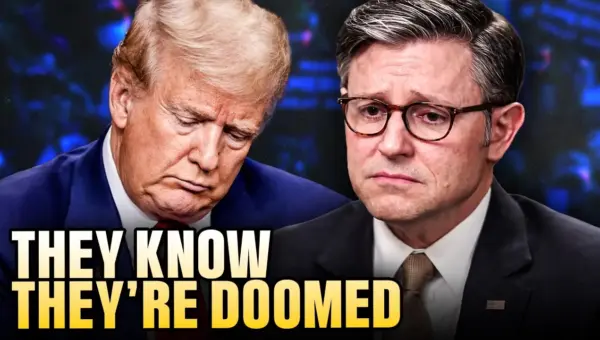
Polls Spell Doom: Republicans Face Voter Backlash
New polling data reveals a sharp decline in public confidence regarding the economic impact of Republican policies, particularly under Donald Trump. A significant majority now feel financially worse off, a trend that is especially pronounced among independent voters. This economic discontent poses a major challenge for the Republican party heading into future elections.
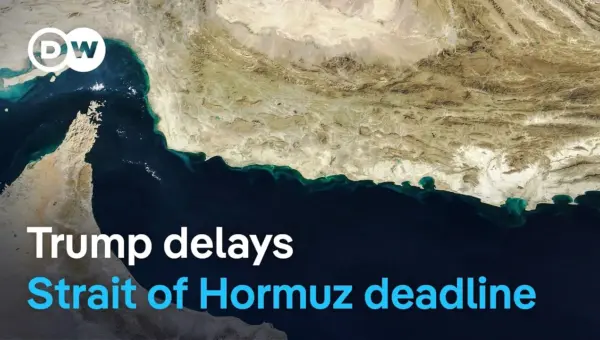
Trump Delays Iran Strike Deadline Amidst Shifting Diplomacy
President Donald Trump has extended his deadline for potential strikes on Iranian energy plants to April 6th, amid reports of U.S.-Iran diplomatic talks mediated by Pakistan. This move comes as Israel continues its strikes on Iran and the U.S. deploys additional military assets to the region. Analysts point to mixed signals, economic pressures, and strategic miscalculations as key factors shaping the evolving situation.
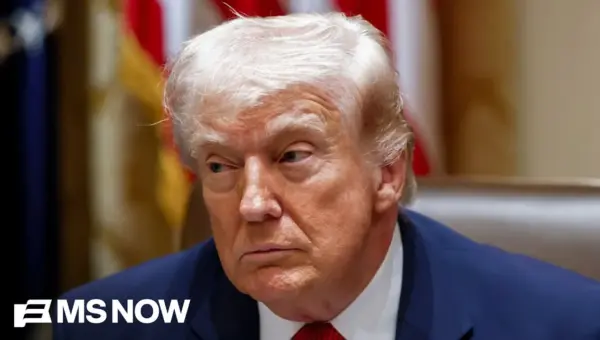
Iran War Claims Ring Hollow as US Troops Injured in New Attack
Days after Donald Trump claimed "we've won" the war with Iran, a new attack injured approximately a dozen U.S. troops and damaged aircraft. This incident contradicts Trump's assertions of victory and raises serious questions about the strategy and reality of the ongoing conflict.