Powell Stays: Dow Plunges 700 Points on Fed Uncertainty
The Dow Jones Industrial Average plunged 700 points as Federal Reserve Chair Jerome Powell signaled his intention to remain on the board, sparking investor concerns. Current Fed projections suggest a shift towards higher interest rates and slower economic growth than previously anticipated.

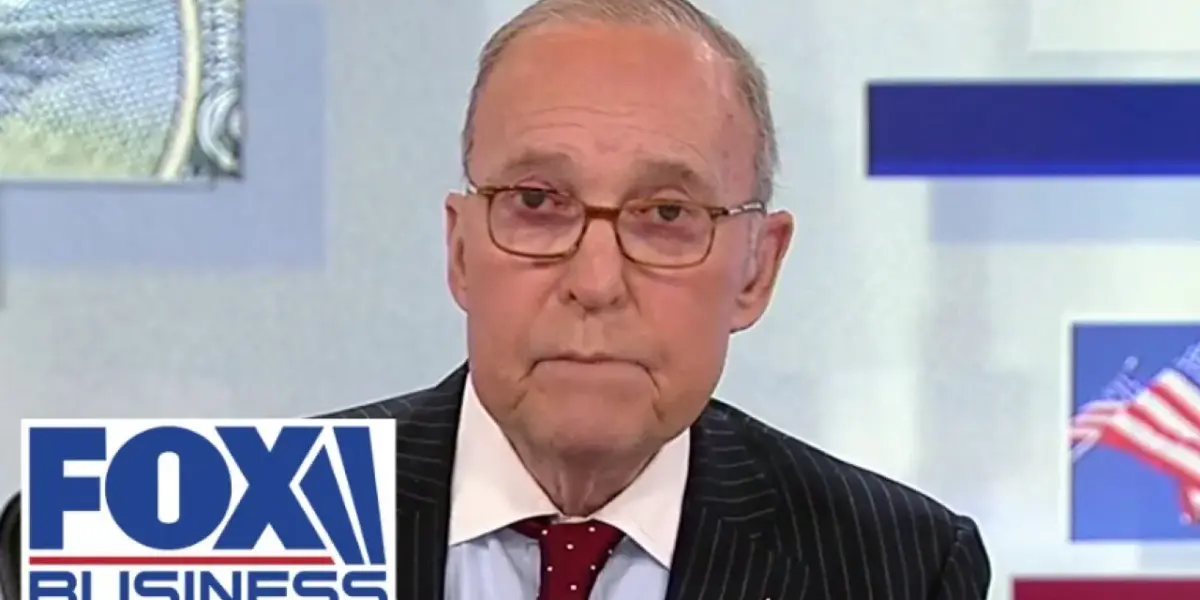
Dow Tumbles 700 Points Amid Fed Leadership Fears
The stock market experienced a significant downturn today, with the Dow Jones Industrial Average plummeting 700 points. This sharp decline occurred after Federal Reserve Chair Jerome Powell indicated he would remain on the Board of Governors until an ongoing investigation concludes. The Dow reached a new 2026 low, shedding 300 points following Powell’s statement about his extended tenure. Bond rates also moved higher, while oil prices saw an increase.
Fed Projections Signal Higher Rates, Slower Growth
Economic projections released by the Federal Reserve suggest a shift in policy outlook. The Fed now anticipates only one interest rate cut this year, a notable change from the three cuts previously expected before recent global conflicts. Additionally, the projections indicate slightly higher inflation and a modest increase in economic growth. This outlook contrasts with the desire for oil prices to return to pre-conflict levels, which could help stabilize inflation.
What Investors Should Know: Fed Policy and Economic Impact
The Federal Reserve’s stance on interest rates has a direct impact on the economy. Higher interest rates make borrowing more expensive for businesses and consumers. This can slow down spending and investment, potentially hindering economic growth. The Fed’s current projections suggest a cautious approach, balancing inflation concerns with the need to support the economy. Investors are closely watching these signals to understand the future direction of interest rates and their effect on market performance.
Calls for Leadership Change at the Federal Reserve
Some market observers are advocating for a change in leadership at the Federal Reserve. There is a call for Kevin Warsh, a former Fed governor, to take the helm of the central bank. Proponents believe Warsh understands the economic benefits of lower taxes and deregulation. They argue that policies like increased domestic energy production, often referred to as “drill baby drill,” could boost economic growth and reduce inflation simultaneously. This perspective suggests that current Fed models may be flawed, overestimating the link between strong growth and rising inflation.
The Complex Path to Fed Appointments
The process for appointing Federal Reserve officials can be complex. For Warsh to be considered for a leadership role, the Justice Department would need to resolve disagreements with the Federal Reserve. Without this, his path to the Senate Banking Committee, where he is reportedly well-regarded, could be blocked. Powell, meanwhile, might remain on the board indefinitely. There is also the possibility that the FOMC, the Fed’s policy-setting committee, could vote to keep Powell as chairman. This situation could lead to Steve Mnuchin, the Treasury Secretary, having to vacate his board seat to make room for a new appointment, though not necessarily as chairman.
Economic Outlook: Optimism vs. Fed Projections
There is a divergence in economic forecasts. Some believe that in the post-war period, the U.S. economy has the potential for around 5% growth. They also anticipate that with normalized energy prices, the inflation rate could fall below 2%. Current indicators, such as money supply growth at 3.5% and a rising dollar, are seen as counter-inflationary forces. However, the current Federal Reserve outlook, which predicts only 2% economic growth, relies on models that critics describe as unreliable. The phrase “garbage in, garbage out” is used to suggest that flawed data or assumptions in these models lead to inaccurate conclusions.
Market Reaction and Future Uncertainty
The market’s sharp reaction to Powell’s comments highlights investor sensitivity to Federal Reserve policy and leadership. The Dow’s significant drop signals investor concern about prolonged periods of uncertainty or a policy path that could stifle economic recovery. As the situation with the Federal Reserve leadership unfolds, investors will be looking for clarity on future monetary policy decisions. The interplay between global events, energy prices, inflation, and Fed actions will continue to shape market sentiment in the coming months.
Source: Larry Kudlow: This would do DAMAGE to the US economy (YouTube)

Related Articles

Tiger Woods Arrested for DUI After Crash
Golf legend Tiger Woods was arrested for DUI in Florida following a dramatic rollover crash. Meanwhile, a government shutdown continues as House Republicans block a Senate deal, leading to airport chaos and TSA worker pay issues. The stock market also plummeted into correction territory amid fears of a prolonged Iran conflict.
Markets Tumble Amid Iran Tensions and Shutdown Gridlock
Wall Street experienced a significant slide today, with the Dow and Nasdaq entering correction territory, driven by escalating tensions with Iran and market uncertainty. Meanwhile, a government shutdown continues to cause chaos at airports nationwide, leaving thousands of workers unpaid and travelers facing long delays. The global energy supply is also under pressure, impacting prices and availability worldwide.

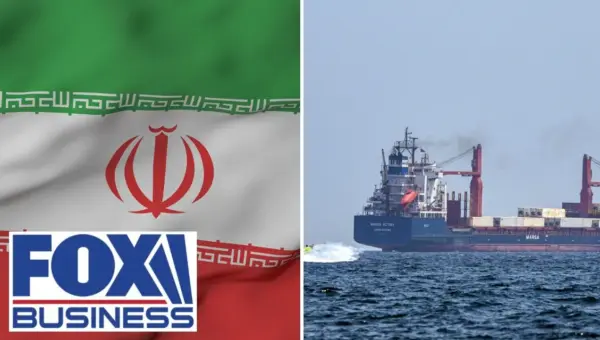
Iran Conflict Sparks Market Volatility, Experts Weigh In
Geopolitical tensions in the Middle East have rattled global markets, with stocks falling and safe-haven assets like the U.S. dollar strengthening. Experts suggest the market may have overreacted, creating potential buying opportunities, but warn of a "bumpy journey" ahead due to infrastructure damage and potential oil shortages. Concerns also linger about the Federal Reserve's independence amidst political commentary.