Porsche Macan EV vs. BMW iX: Electric Luxury SUV Showdown
The Porsche Macan EV and BMW iX offer distinct luxury electric SUV experiences. The Macan EV prioritizes sporty dynamics and familiar controls, while the iX focuses on advanced technology, comfort, and a quiet, spacious cabin. Your choice depends on whether you value driving engagement or refined cruising.

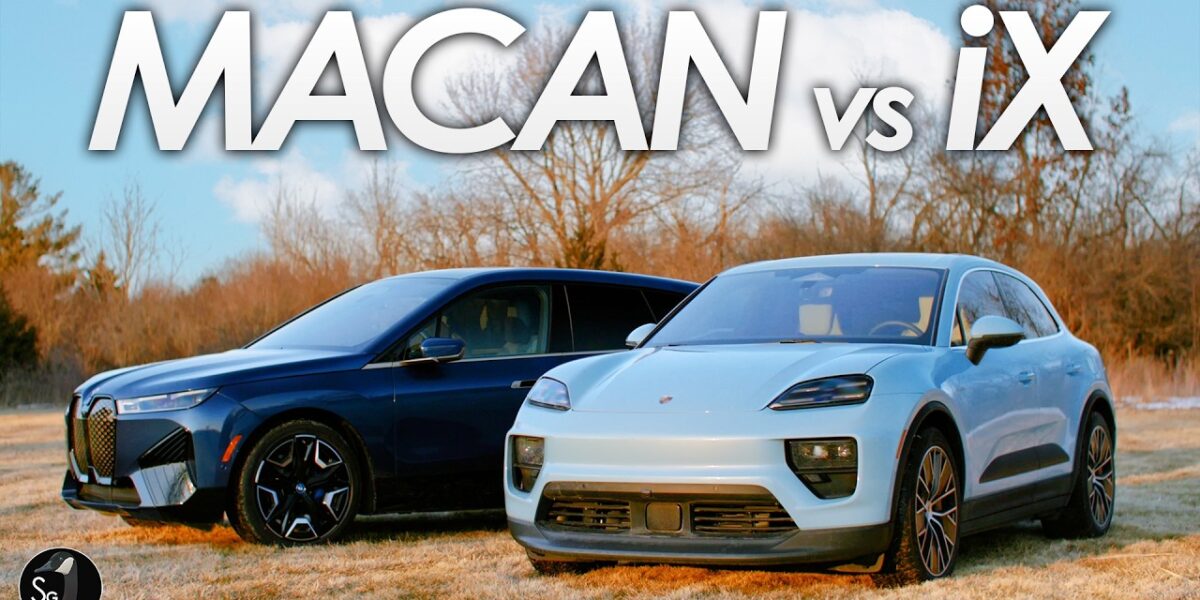
Porsche Macan EV vs. BMW iX: Electric Luxury SUV Showdown
The luxury electric SUV segment is heating up, and two prominent contenders have emerged, each offering a distinct take on electrified performance and refinement: the Porsche Macan EV and the BMW iX. While both are designed to deliver premium experiences with zero tailpipe emissions, they approach the task with vastly different philosophies, catering to distinct buyer priorities. After extensive testing, it’s clear that while both excel in certain areas, the choice between them hinges on whether you prioritize a familiar, sporty driving dynamic or a technologically advanced, comfort-focused cruiser.
Exterior Styling: A Matter of Taste
Visually, both the Macan EV and the iX are anything but conventional. The Macan EV adopts a more rounded, bubbly aesthetic, with its front end bearing a strong resemblance to a sporty hot hatch. In contrast, the BMW iX presents a more traditional SUV silhouette, though its front-end design has been a point of contention among automotive enthusiasts. Ultimately, aesthetic appeal is subjective, and potential buyers will need to decide which of these unique designs resonates most with them.
Porsche Macan EV: The Sporty Familiarity
Stepping into the Porsche Macan EV, the overwhelming impression is one of familiar comfort and intuitive control. Unlike many EVs that aim for radical departure, Porsche has deliberately crafted an interior that feels like a natural evolution of their established sports car formula. Physical controls are prominent, including a dedicated HVAC controller, and the steering wheel houses the drive mode selector. This focus on tried-and-true ergonomics means less time fiddling with touchscreens and more time enjoying the drive.
Performance and Dynamics
Porsche’s commitment to driving dynamics is evident in the Macan EV. Built on the Premium Platform Electric (PPE) architecture, shared with Audi, it features an 800-volt system enabling rapid charging – 10-80% in approximately 21 minutes. Across the Macan lineup, a 100 kWh battery pack (95 kWh usable) powers various dual-motor configurations. The Macan 4S, for instance, boasts approximately 509 horsepower with boost mode. The standard air suspension and adaptive dampers, combined with optional rear-wheel steering and a rear differential, contribute to a nimble, connected feel that belies its size. Porsche engineers have prioritized a low center of gravity and increased body rigidity, resulting in a driving experience that feels akin to a larger hot hatch, with excellent body control and a strong sense of rotation.
Interior and Practicality
The Macan EV’s interior offers good comfort, particularly with its well-adjustable seats and supportive headrests. However, rear-seat space can feel confined, especially for larger passengers, and cargo capacity is more akin to a hatchback than a traditional SUV, with a narrow opening and limited space for larger items. The welcome addition of a frunk (front trunk) offers some compensation for the limited rear storage. While the cabin benefits from the inherent rigidity of EV platforms, some testers noted minor rattles in colder temperatures, a slight detraction from the otherwise refined experience.
Pricing and Trims
The Porsche Macan EV lineup is extensive and can become quite expensive when optioned out. The Macan Electric (rear-wheel drive) starts around $80,000, the Macan 4 offers just over 400 horsepower from around $85,000, and the Macan 4S sits in the mid-range. Higher trims like the GTS and Turbo push pricing significantly higher, with the Turbo model capable of 630 horsepower.
BMW iX: The Technologically Advanced Sanctuary
The BMW iX offers a decidedly different interior experience. It prioritizes a spacious, lounge-like atmosphere with unique material choices, such as the optional microfiber fabric. However, the ergonomics can be challenging. The seating position often feels awkward, with poor adjustability and headrests that house near-field speakers, which some found intrusive. The steering wheel’s design is dictated by the need to see the gauge cluster and accommodate the eye-tracking for advanced driver aids.
Performance and Efficiency
For the 2025 model year, the iX lineup includes the xDrive50 (now xDrive60), xDrive40 (now xDrive45), and the M70. The iX xDrive60 starts around $90,000 and produces 536 horsepower, while the top-tier M70, priced at approximately $111,000, delivers 650 horsepower. BMW has focused on improving efficiency by about 10% through silicon inverters and low-friction wheel bearings. Battery pack sizes vary, with the xDrive45 receiving a 100.1 kWh pack, the xDrive60 a larger 113.4 kWh pack, and the M70 a 112.8 kWh pack. While the iX is built on a dedicated EV platform with aluminum construction and carbon composite elements for rigidity, it uses a 400-volt architecture, resulting in longer DC fast-charging times compared to the Macan EV.
Interior and Refinement
The iX’s cabin is exceptionally quiet and rattle-free, a testament to its robust construction. The materials and attention to detail are generally superior to the Macan EV at comparable price points, creating a sense of high quality. The door storage is enormous, but the center console is surprisingly limited in usability, often requiring aftermarket solutions for practical storage. Rear-seat space is more generous than in the Macan, offering a less claustrophobic experience for passengers. The ride quality, especially with the optional air suspension and rear-wheel steering, is exceptionally compliant, making the iX a superb highway cruiser.
Value Proposition
The BMW iX xDrive45 starts at approximately $75,000, with the xDrive60 around $90,000 and the M70 at $111,000. The top trim M70 comes loaded with features, including adaptive dampers, air ride, rear steer, and the premium Bowers & Wilkins audio system as standard, making it a comprehensive package. While the Macan EV can achieve similar performance figures, its pricing can escalate quickly with options, potentially making the iX a more value-conscious choice for those seeking a fully loaded luxury EV experience.
Verdict: Priorities Dictate the Choice
The Porsche Macan EV and BMW iX represent two very different paths in the luxury electric SUV landscape. If your priority is a sporty, engaging driving experience that closely mimics the feel of a traditional Porsche sports car, the Macan EV is the clear winner. Its dynamic prowess, sharp handling, and intuitive controls make it a joy to drive enthusiastically. However, its practicality and cargo space are somewhat compromised.
Conversely, if ultimate comfort, a serene and quiet cabin, cutting-edge technology, and a more spacious interior are paramount, the BMW iX excels. It’s a supremely refined highway cruiser that offers a sanctuary from the outside world. While its driving dynamics are softer and less engaging than the Macan’s, its overall build quality and interior refinement at its price point are impressive. The iX’s ergonomic quirks and slower charging times are its main drawbacks.
For those who value the visceral connection to the road and the thrill of spirited driving, the Macan EV is the choice. For those seeking a technologically advanced, supremely comfortable, and quiet long-distance companion, the iX stands out. Both are compelling, but they cater to fundamentally different desires within the luxury EV SUV segment.
Source: Porsche Macan vs BMW iX | Ultimate Lease Machines (YouTube)

Related Articles
Polestar 4: A Cool EV With A Catch
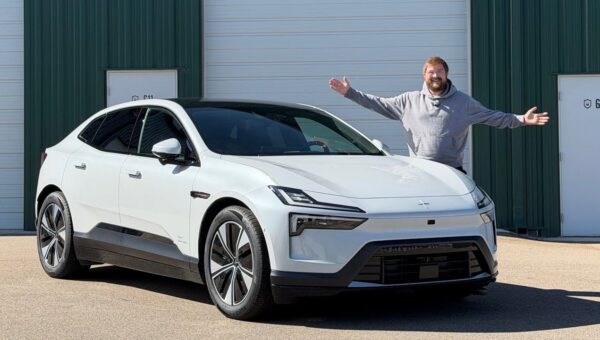
The Polestar 4 offers a compelling blend of striking design, a luxurious interior, and advanced technology, positioning itself as a stylish alternative in the EV market. While its unique styling and performance are noteworthy, potential buyers should consider its compromises in rear visibility and charging speeds.

2026 Toyota Camry: A Hands-Free Hopeful, But Not Quite There
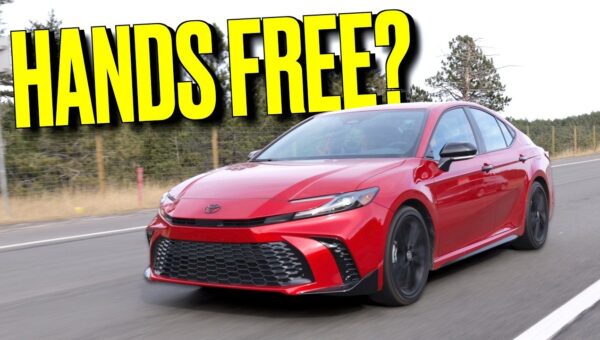
The 2026 Toyota Camry, a hybrid powerhouse, undergoes the demanding Woolly Mammoth Challenge for hands-free driving. While packed with safety features, it falls short of true autonomy, scoring 45 points and highlighting Toyota's conservative yet value-rich approach.
Volvo EX90: A Flawed Luxury EV King?
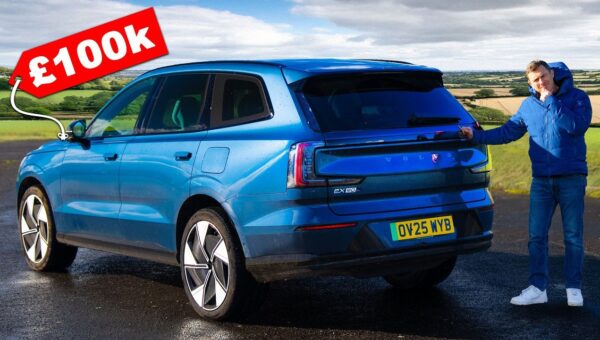
The new Volvo EX90 aims for luxury EV SUV supremacy but falls short due to a high price, disappointing real-world range, and uninspired driving dynamics. While comfortable and practical, it struggles to justify its premium cost against strong competition.