Porsche 911: The Unloved 996 vs. The Beloved 997
We compare the much-maligned Porsche 996 against its beloved successor, the 997. Discover why these two generations, separated by just two years, command vastly different prices and which one offers the better value for driving enthusiasts.

Porsche 911: The Unloved 996 vs. The Beloved 997
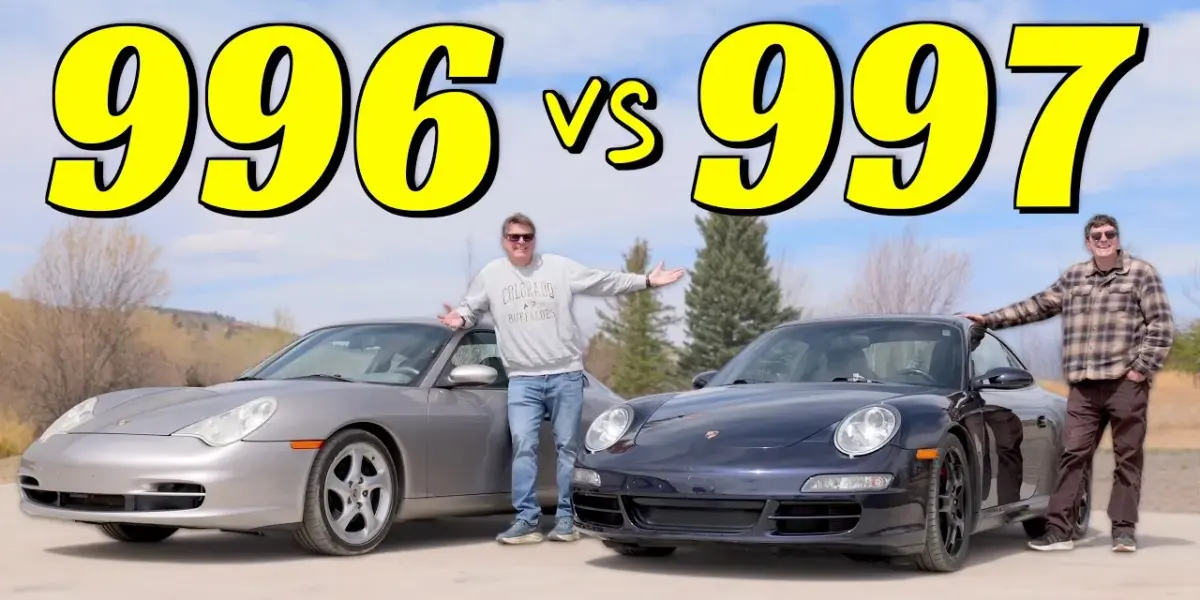
When it comes to the iconic Porsche 911, opinions can be as strong as the engines powering them. We’re pitting two generations against each other: the often-maligned 996 and the highly-praised 997. These cars are only two years apart, but their market values tell a very different story. A good 996 can be found for around $20,000, while a 997 can fetch up to $70,000 or even $80,000. Why such a huge difference for cars that share so much DNA?
The Look: A Matter of Taste
The most obvious reason for the 996’s lower value is its styling. Porsche broke tradition with the 996, introducing headlights that weren’t round. These ‘fried egg’ headlights, as some called them, were a departure from the classic 911 look. Even the updated, more angular headlights on later 996 models couldn’t fully win over enthusiasts who craved the traditional Porsche front end. The 997, in contrast, embraced a more refined and classic 911 aesthetic, which resonated much better with buyers.
Interior Differences: Quality and Shared Parts
Stepping inside, the differences become more apparent. The 996 had a tough job following the beloved air-cooled 911s. To save money during a difficult financial period for Porsche, the 996’s interior materials were less premium. The plastics felt cheaper, and the overall design, with its bubbly shape, hasn’t aged as gracefully as its predecessors or successors. A major point of contention for 911 purists was the shared interior with the Porsche Boxster, a car often perceived as less serious.
While the 996 interior might not be top-tier, it’s not without its charms. With options like stitched leather and Porsche crest seats, it can be pleasant. However, the presence of carpet on the door panels, a detail that bothers some 911 fans, does impact its perceived value. The 997 takes a significant step up. While it retains a familiar seating position and some design cues, the quality of materials is greatly improved. The dashboard feels more modern, seats are more supportive, and the overall design is more sophisticated. Even the cup holders, a perennial Porsche complaint, are slightly better in the 997.
Performance and Driving Dynamics: Still a 911 at Heart
Despite the visual and interior differences, both cars offer a true 911 driving experience. Both share a similar chassis and engine architecture. The 996, even with its automatic Tiptronic transmission, delivers 320 horsepower from its 3.6-liter flat-six engine. While not as sharp as a manual, the automatic is smooth and performs well for daily driving and cruising. The steering, hydraulically assisted, is excellent, providing great feedback from the road. Early 996 models might exhibit slight understeer due to narrower front tires, but the overall feel is pure 911.
The 997 Carrera S, in this comparison, is a manual transmission model with 355 horsepower. It feels noticeably faster and more responsive than the base 996. The steering is quicker, and the engine response is more immediate. Features like Porsche Active Suspension Management (PASM) allow drivers to adjust the suspension for a firmer, sportier ride. The 997 feels tighter and more engaging, offering a crisper driving experience that many enthusiasts prefer. While the 996 offers a great bargain, the 997 provides a more refined and potent performance package.
The Value Proposition: Affordability vs. Desirability
The core of the 996’s appeal is its affordability. For around $20,000 to $30,000, you can get a slice of 911 history that still drives like a proper sports car. It’s compact, nimble, and offers that iconic flat-six sound. However, potential buyers must be aware of the IMS (intermediate shaft) bearing issue. While the exact failure rate is debated, it can lead to catastrophic engine failure. Many 996s have had this addressed, but it’s a risk to consider. Repair costs for any Porsche, including the 996, can be substantial, so budgeting for maintenance is crucial.
The 997, while significantly more expensive, offers a more polished and desirable package. It addresses many of the 996’s shortcomings, particularly in interior quality and styling. For those seeking a more modern feel with classic 911 driving dynamics, the 997 is a compelling choice. However, 997 Carrera S models can be prone to bore scoring, another potentially costly engine issue. Later 997.2 models (2009 and later) are generally considered more reliable and sorted, but come at a higher price point.
Verdict: Which 911 is Right for You?
If you’re on a budget and prioritize the driving experience over aesthetics and interior luxury, the 996 is an incredible bargain. It’s the last of the truly compact 911s and offers immense fun for the money. Just be prepared for potential maintenance costs and the inherent risks associated with its known issues.
The 997 represents a more complete and refined package. It’s the evolution of the 996, retaining its core driving spirit while significantly improving on its weaker points. It offers a more modern feel and greater desirability, justifying its higher price tag. It’s often seen as the sweet spot for those wanting a modern 911 that still feels connected to the classic lineage, before the 911 grew in size and complexity.
Source: I Compare the Best and Worst Porsche 911! (YouTube)

Related Articles
2026 Mazda CX-5: Solves Old Problems, Creates New Ones
The 2026 Mazda CX-5 gets a much-needed interior space upgrade and refined ride, but its move to a large touchscreen for climate controls and lack of powertrain options raise questions. It remains a great driver's SUV, but faces stiff competition.
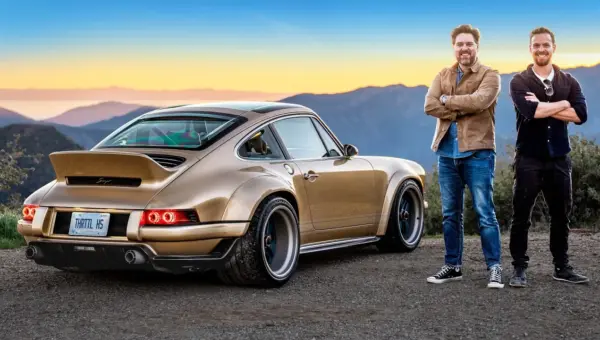
Singer DLS: The Ultimate 911 Reimagined is Nearly Perfect
Singer's DLS reimagines the Porsche 911 into a near-perfect driving machine, blending classic soul with cutting-edge engineering. With a screaming 500hp naturally aspirated engine and a feather-light chassis, it offers an unparalleled driving experience. While its seven-figure price tag is astronomical, the exquisite craftsmanship and bespoke nature make it a unique work of art for the discerning collector.


BMW X6 M Obliterates Rivals in Drag Race Showdown
The BMW X6 M has proven its incredible speed, dominating a recent drag race against exotic cars and other performance SUVs. Finishing just milliseconds behind the fastest supercars, the X6 M delivers unmatched acceleration for its class. This luxury SUV offers a thrilling driving experience without sacrificing practicality.