Pope Condemns War-Waging Leaders, Citing ‘Blood-Soaked Hands’
Pope Francis has strongly condemned leaders who initiate wars, stating that God rejects the prayers of those with "hands full of blood." His remarks come amid disturbing reports of civilian casualties and alleged war crimes in the Middle East, with the conflict fueling global economic instability and uncertainty.

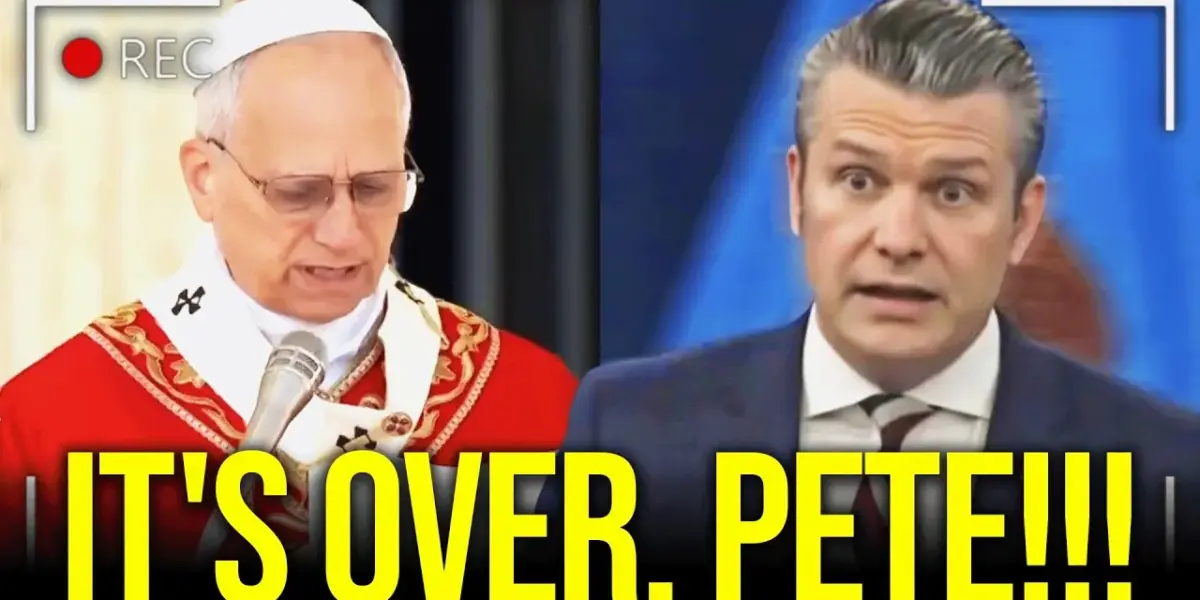
Pope Condemns War-Waging Leaders, Citing ‘Blood-Soaked Hands’
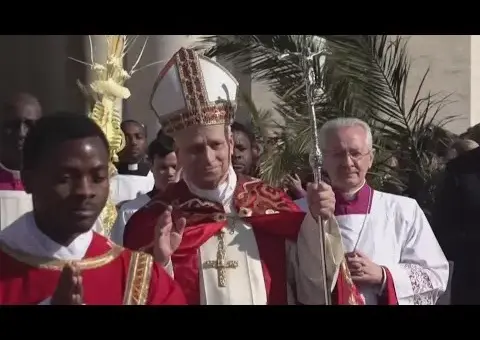
Pope Francis has strongly condemned leaders who initiate wars, stating that God rejects the prayers of those with “hands full of blood.” These unusually forceful remarks came during his Palm Sunday address, marking the start of Holy Week. He described the ongoing conflicts as “atrocious” and emphasized that Jesus cannot be used to justify any warfare.
The Pope’s statement appears to be a pointed rebuke to figures like Pete Hegseth, a former US military officer and media personality, who has repeatedly invoked religious justifications for the ongoing conflict with Iran. Hegseth has framed the war as a religious battle, encouraging troops to rely on their faith and God. He has also quoted scripture, such as Psalm 144, to express drawing strength for military action.
Allegations of War Crimes Mount
The Pope’s words come amid deeply disturbing reports from the conflict zones. In Lebanon, Lebanese rescuers claim that two civilians were killed in a “double tap” strike as they attempted to rescue three journalists. These journalists were also reportedly killed by Israeli forces in strikes that occurred just yesterday. This alleged attack on rescuers and journalists is being called a clear war crime.
The civilian death toll in the region is alarmingly high. In Lebanon alone, at least 1,238 civilians have been killed and 3,543 wounded since the war began. In Iran, approximately 1,900 people have lost their lives, and in Iraq, 101 civilians have been killed. These are not military casualties; they are innocent people caught in the crossfire.
Global Turmoil and Economic Impact
Beyond the immediate human tragedy, the conflict is fueling global instability and economic hardship. Global markets are in turmoil, and gas prices are skyrocketing. In San Francisco, the average gas price has reached $6 per gallon, a mark not seen since 2022. Diesel prices are even higher, pushing past $7.75 per gallon.
This economic strain is felt nationwide, impacting everyone’s quality of life. The current military actions seem focused on resolving problems created by earlier strikes, specifically aiming to reopen the Strait of Hormuz. This raises questions about the initial objectives and the escalating consequences of the conflict.
Escalation and Uncertainty
Adding to the tension, Iranian state media reports that power is out in the capital, Tehran, and the city of Karaj following recent US and Israeli strikes. In response, Iran has launched its own strikes against Israel. Iranian security officials also believe that the US is planning further air assaults and potentially a ground invasion of northwestern Iran, coordinating with local militias.
This situation has pushed global uncertainty to its highest level in the past year, surpassing even the COVID-19 pandemic and the 2008 financial crisis. The current geopolitical climate is marked by fractured alliances and increased global tensions.
Religious Justification vs. Spiritual Rejection of War
The use of religious rhetoric to justify warfare is a central point of contention. Pete Hegseth has repeatedly framed the conflict in religious terms, encouraging troops to rely on their faith and God. He speaks of fighting against religious fanatics and the importance of faith for soldiers facing mortality.
However, Pope Francis directly challenges this perspective. He stated clearly, “Jesus, King of Peace, who rejects war, whom no one can use to justify war.” He further added, “He does not listen to the prayers of those who wage war, but rejects them, saying, ‘Even though you make many prayers, I will not listen. Your hands are full of blood.'” This stark contrast highlights a fundamental disagreement on the role of faith in justifying military action.
Historical Context and Implications
The current situation echoes historical instances where religious or ideological justifications have been used to fuel conflict. Throughout history, leaders have often invoked divine support to legitimize wars, leading to immense suffering. The Pope’s intervention serves as a moral and spiritual counterpoint to such justifications.
The involvement of the United States and Israel in these conflicts, along with the significant civilian casualties, raises serious questions about international law and humanitarian concerns. The alleged war crimes, particularly against civilians and rescuers, demand thorough investigation and accountability.
Why This Matters
This situation matters because it highlights the dangerous intersection of religion, politics, and warfare. When religious beliefs are used to justify violence, it can lead to extreme outcomes and immense human suffering. The Pope’s moral authority is being used to call for peace and accountability in a world increasingly drawn into conflict.
Furthermore, the economic consequences of these wars, such as rising gas prices, affect everyone globally. The instability created by such conflicts undermines international cooperation and can lead to further crises. The alleged targeting of civilians and humanitarian workers is a direct violation of international norms and requires urgent attention.
Future Outlook
The future outlook remains uncertain. The escalating tensions, coupled with the economic fallout, suggest a prolonged period of global instability. The continued use of religious rhetoric to justify war poses a significant challenge to peace efforts.
It is crucial for global leaders to prioritize de-escalation, uphold international humanitarian law, and seek diplomatic solutions. The Pope’s call for peace and condemnation of war-waging leaders serves as a vital reminder of the moral imperative to protect innocent lives and pursue peaceful resolutions.
Source: Pete Hegseth War Crimes Exposed by The Pope (YouTube)

Related Articles

US Bombs Iran: Leaders Killed, Invasion Looms
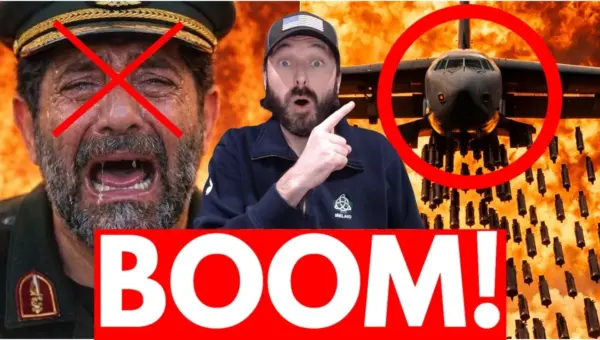
The United States has launched powerful bombings against Iran, destroying key military targets and reportedly killing six senior leaders. With B-52 bombers involved and US ground troops moving into the region, a ground invasion appears imminent, signaling a dramatic escalation.
Israel Expands Lebanon Border Zone Amid Escalating Conflict
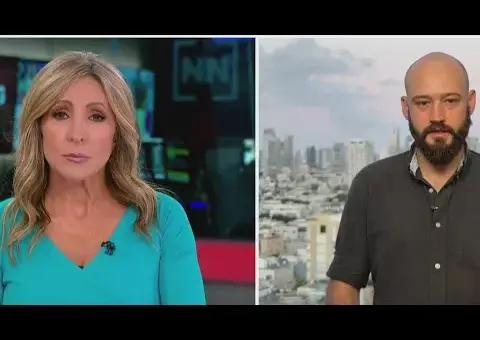
Israel is expanding its security zone into Lebanon following intense airstrikes and missile launches. Prime Minister Netanyahu ordered the military action amid escalating clashes with Hezbollah, marking a significant step up in regional tensions.
Pope Calls for Peace Amid Holy Week Tensions
Pope Leo XIV called for an end to violence during his first Holy Week as pontiff, urging prayers for peace. The Vatican also reported that Israeli police restricted Palm Sunday ceremonies at the Church of the Holy Sepulchre in Jerusalem, drawing international comment.